A recent surge in head lice infestations has been reported in several primary schools across Béjaïa, Algeria. School doctors, conducting medical check-ups as part of the school health program, have encountered numerous cases of students infested with the parasite. Teachers also noticed that some students were constantly scratching their heads, raising alarm bells. The issue has sparked concern among educators and health professionals.
Parents of affected children have been urged to inform school administrators and teachers to help contain the spread of the infestation. However, many parents have been reluctant to acknowledge the problem, fearing their children might be stigmatized by their peers. Some have even denied the infestation, claiming their children maintain good hygiene. Medical experts stress that head lice are not a sign of poor hygiene and can affect anyone, regardless of hair length or cleanliness.
Head lice feed on blood and can transmit diseases such as rickettsiose and typhoid fever, according to some medical professionals. The female louse lays 4-10 eggs per day, which hatch into larvae after 7-10 days. These larvae mature into adult lice within 15 days, causing discomfort and itching. The adult louse measures 2-4 mm in length and can survive for 6-8 weeks on a human host.
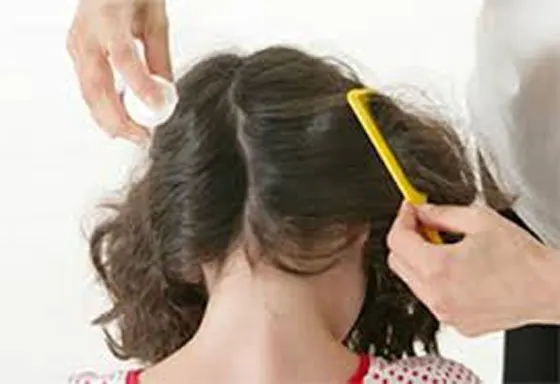
Despite awareness campaigns, the problem persists, with parents and medical professionals becoming increasingly frustrated. Simple measures such as washing hair with regular shampoo are ineffective against head lice, as they are resistant to water. Experts recommend regular checks with a lice comb and treating infestations promptly. Some medical practitioners suggest using vinegar as a treatment, which can help suffocate the lice without posing a risk to the child.
The resurgence of head lice infestations has been linked to the growing resistance of the parasite to chemical treatments. As a result, alternative methods are being explored to combat the problem. Medical experts emphasize the importance of cooperation between parents, teachers, and healthcare professionals to address the issue effectively.
The Béjaïa health authorities have been urged to take proactive measures to contain the outbreak and educate parents about the risks and prevention strategies. Until then, the problem is likely to persist, causing concern for students, parents, and educators alike. Local media reports indicate that similar outbreaks have occurred in other regions, highlighting the need for a coordinated response to address the issue nationwide.
In the meantime, parents are advised to remain vigilant and take steps to prevent the spread of head lice. This includes regular checks with a lice comb, encouraging good hygiene practices, and seeking medical attention if an infestation is suspected. By working together, it is hoped that the outbreak can be brought under control and the health and well-being of students protected.
Key points
- The outbreak of head lice in Béjaïa's primary schools has sparked concerns about the spread of the parasite and potential health risks.
- Medical experts stress that head lice are not a sign of poor hygiene and can affect anyone, regardless of hair length or cleanliness.
- The growing resistance of head lice to chemical treatments has complicated efforts to combat the problem, prompting the exploration of alternative methods.