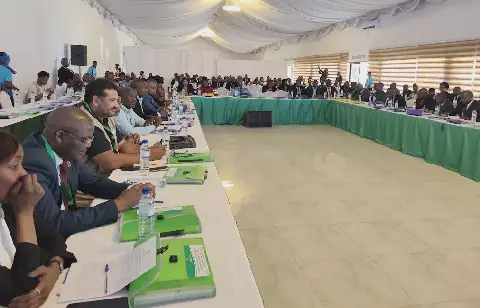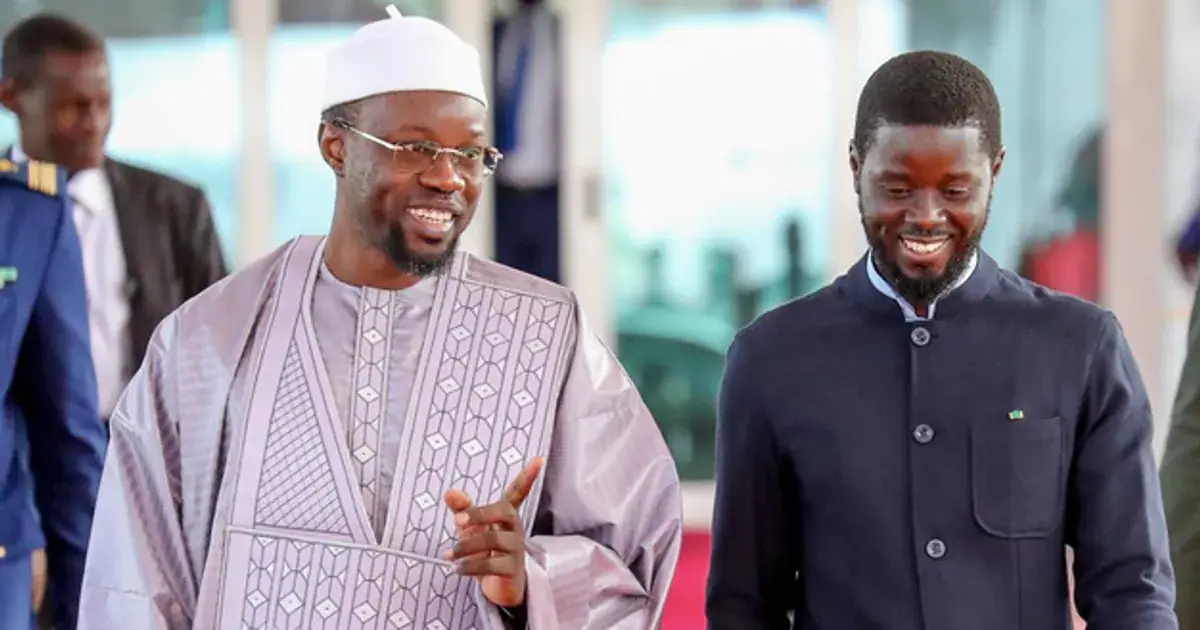
During the opening of the plenary session on the 2026 supplementary finance bill, Ousmane Sonko, President of Senegal's National Assembly, firmly addressed the government. He asserted that no one could intimidate the legislative body. This statement came in response to recent criticisms and accusations of sabotage leveled by the Executive against the Assembly. Sonko's remarks aimed to reaffirm the legislature's independence and resilience.
Sonko's comments reflect a broader tension between the legislative and executive branches in Senegal. The National Assembly has been under scrutiny and pressure from the government, which has led to concerns about the potential erosion of parliamentary autonomy. In his address, Sonko emphasized that the deputies would carry out their mandate with clarity and serenity, guided solely by the superior interests of Senegal. This stance indicates a determination to maintain the Assembly's integrity and decision-making capacity.
The context of Sonko's statement is linked to the discussion of the 2026 supplementary finance bill. This bill is a critical piece of legislation that outlines adjustments to the country's financial plans for the year. The debate surrounding it has been contentious, with the Executive and Legislative branches holding differing views on its provisions and implications. Sonko's firm stance suggests a readiness to engage in constructive dialogue while upholding the Assembly's institutional prerogatives.
Ousmane Sonko's leadership of the National Assembly has been marked by efforts to consolidate parliamentary authority and promote transparency. His response to executive pressures is seen as part of these efforts. By affirming the legislature's autonomy, Sonko aims to ensure that the Assembly can effectively perform its constitutional duties without undue influence. This approach has garnered attention both domestically and internationally, as it touches on fundamental aspects of democratic governance.
The dynamics between Senegal's executive and legislative branches have implications for the country's democratic trajectory. The situation underscores the challenges of maintaining a balance of power and ensuring that each branch of government respects the others' roles. Sonko's statements and actions reflect a broader debate about governance, accountability, and the rule of law in Senegal. As such, his stance is being closely watched by various stakeholders, including civil society, political parties, and international observers.
In Senegal, the relationship between the government and the National Assembly has historically been complex. Periods of tension have occurred, particularly when the two branches have been controlled by different political parties or when there have been significant policy disagreements. The current situation, with Sonko's firm response to executive pressures, represents a moment of heightened political engagement and contestation. It remains to be seen how these dynamics will evolve and impact the country's political landscape.
The situation with Ousmane Sonko and the National Assembly highlights the importance of strong, independent institutions in a democracy. The ability of the legislative body to assert its autonomy and resist undue pressures is crucial for the health of Senegal's democratic system. As the country continues to navigate its political and economic challenges, the role of the National Assembly, under Sonko's leadership, will likely remain a focal point of attention and debate.
Key points
- Ousmane Sonko asserts National Assembly's independence from executive branch.