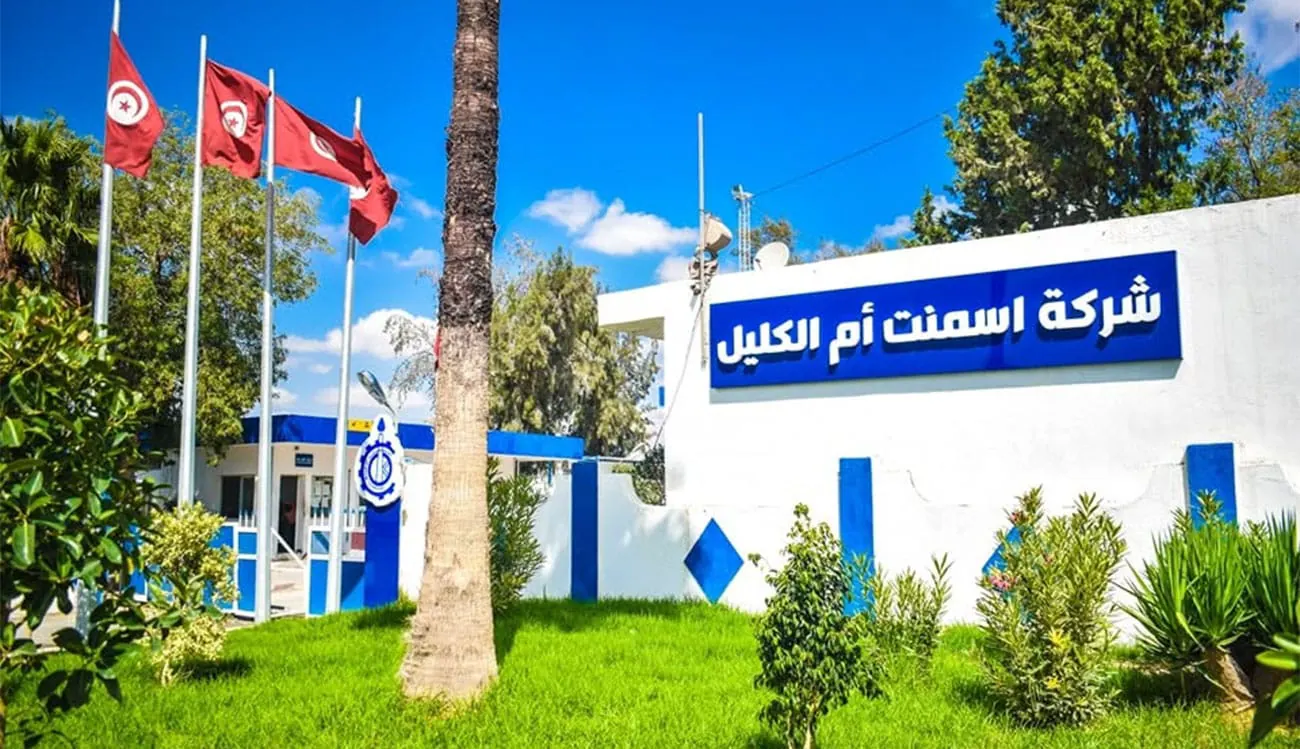
The Oum El Kélil cement factory, a public enterprise based in Jérissa, Tunisia, has announced that it has overcome a significant financial crisis and returned to profitability. The company's president-director general, Taoufik Khardani, revealed that the factory had successfully addressed an accumulated debt of nearly 260 million dinars over three years. This was achieved through a strategic plan focusing on optimizing human and material resources, upgrading production lines, and restoring client and supplier confidence.
According to Taoufik Khardani, the factory's turnaround was largely driven by internal efforts, leveraging its strengths and improving production efficiency. The company has settled its debts with suppliers, except for those owed to the Société tunisienne de l'électricité et du gaz (STEG), which have been rescheduled over a decade. With its financial situation now under control, Oum El Kélil's management reports that the company's revenues exceed its expenditures in both operational and investment terms.
A key factor contributing to the factory's improved performance has been the switch from thermal energy and gas to oil, resulting in cost savings of 49 million dinars. This change is part of Oum El Kélil's efforts to reduce costs and enhance industrial efficiency. Additionally, the company has undertaken maintenance and renewal of certain equipment, enabling it to resume full-capacity clinker production on September 16. Clinker is a crucial intermediate product in cement manufacturing.
With its financial and operational stability restored, Oum El Kélil is now focusing on expanding its market presence, particularly in Libya. The company aims to capitalize on new export opportunities, driven by its current production capacity of 3,000 tonnes of cement per day. Domestically, the annual demand for cement in Tunisia is estimated at around 6 million tonnes, distributed among eight cement factories.
As a significant employer in the Kef region, Oum El Kélil currently has 400 direct employees, with a payroll of approximately 12 million dinars. The company's resurgence is seen as a positive development for the local economy. Moving forward, Oum El Kélil's ability to sustain its production levels and profitability will be closely monitored through upcoming performance indicators and financial results.
The company's management remains optimistic about its prospects, having laid the groundwork for future growth. By diversifying its market reach and maintaining its industrial efficiency, Oum El Kélil aims to consolidate its recovery and achieve sustainable growth. The Libyan market presents a promising opportunity for expansion, and the company is poised to explore this new avenue.
In conclusion, Oum El Kélil's return to profitability marks a significant milestone for the Tunisian cement industry. The company's efforts to revitalize its operations and explore new markets are expected to have a positive impact on the local economy and the industry as a whole.
Key points
- Oum El Kélil cement factory has overcome a financial crisis and returned to profitability.
- The company aims to expand its market presence, particularly in Libya.
- Oum El Kélil has a daily production capacity of 3,000 tonnes of cement.