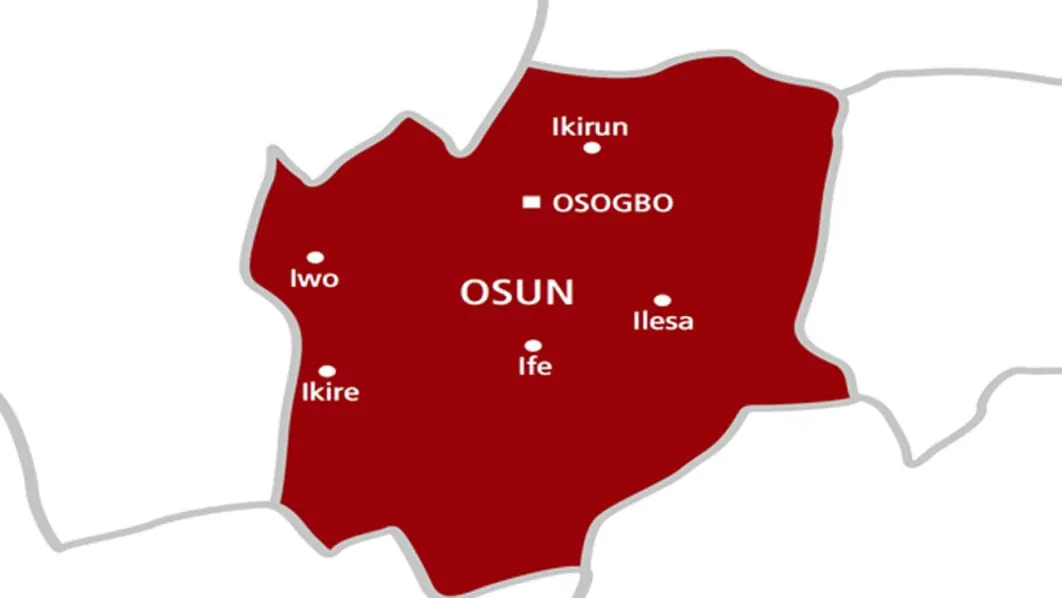
Special needs schools in Osun State, Nigeria, have remained closed to students due to a delay in resumption attributed to funding constraints. The schools, located in Osogbo, Ilesa, and Iwo, cater to children with various disabilities and provide specialized teaching, learning materials, and facilities. Despite the commencement of academic activities across the state, students of the Osun State Secondary School for Students with Special Needs in Osogbo are at home, raising concerns about the continuity of education for children requiring specialized learning support.
The Commissioner for Education, Dipo Eluwole, disclosed the funding challenge during an assessment visit to the school in Osogbo. He explained that the government was unable to guarantee the students' welfare under the prevailing financial circumstances. Eluwole stated that the non-resumption of students is due to the unavailability of funds to cater to their boarding and feeding program. He linked the financial constraints to the non-release of local government allocations by the Federal Government.
Eluwole appealed to well-meaning Nigerians to prevail on the Federal Government to release the funds due to Osun State. He explained that part of the outstanding funds was intended to support the feeding program for students with special needs, whose educational requirements include adequate accommodation, nutrition, and other essential services. The commissioner dismissed allegations that the government was deliberately neglecting the students, insisting that the administration of Governor Ademola Adeleke remained committed to providing quality education.
The Chairman of the Osun State Universal Basic Education Board, SUBEB, Aremo Adekunle Alao, and its Executive Secretary, Yahaya Bakare, supported Eluwole's position. They maintained that the students should not return until their welfare could be guaranteed. The two officials commended the school's teachers for continuing to report for duty despite the absence of students, urging them to remain committed to their responsibilities while efforts to address the situation continue.
The school's principal, Kamil Hussain, alongside two teachers, Temitayo Obadare and Temitope Olaniyi, commended the state government for its support for the institution. The prolonged closure has heightened calls from parents and other stakeholders for clarification on when the schools will reopen and for measures to prevent further disruption to the children's education. The Osun State Bureau for People with Disabilities is responsible for promoting the inclusion and protection of persons with disabilities, including facilitating access to education.
The affected institutions provide specialized teaching, learning materials, and facilities intended to meet the individual educational needs of children with disabilities. Earlier reports had highlighted challenges in some of the schools, including inadequate learning equipment, leaking roofs, poor hostel and toilet facilities, and a shortage of personnel to support students requiring specialized attention. The continued closure of special needs schools across Osun State has also been attributed to a Federal High Court order affecting the state's education sector.
Key stakeholders, including parents and advocacy groups, are urging the government to take immediate action to address the funding crisis and ensure the reopening of the special needs schools. The government is expected to provide an update on when the schools will reopen and what measures will be taken to prevent further disruptions. Three key points have emerged: the funding crisis is affecting the education of students with special needs, the government is working to address the situation, and stakeholders are calling for urgent action to resolve the issue.
Key points
- The funding crisis is affecting the education of students with special needs in Osun State.
- The government is working to address the situation, but no timeline has been given for reopening the schools.
- Stakeholders are calling for urgent action to resolve the issue and ensure the continuity of education for children with disabilities.