A leadership crisis has erupted in Orogho Community, Orhionmwon Local Government Area of Edo State, with the Council of Elders and some individuals exchanging allegations. The crisis began with claims by Mr. Osahon Imaru that the Enogie had abandoned community festivals and activities, and was running the community's affairs through proxies. The Enogie is a key traditional titleholder in the community.
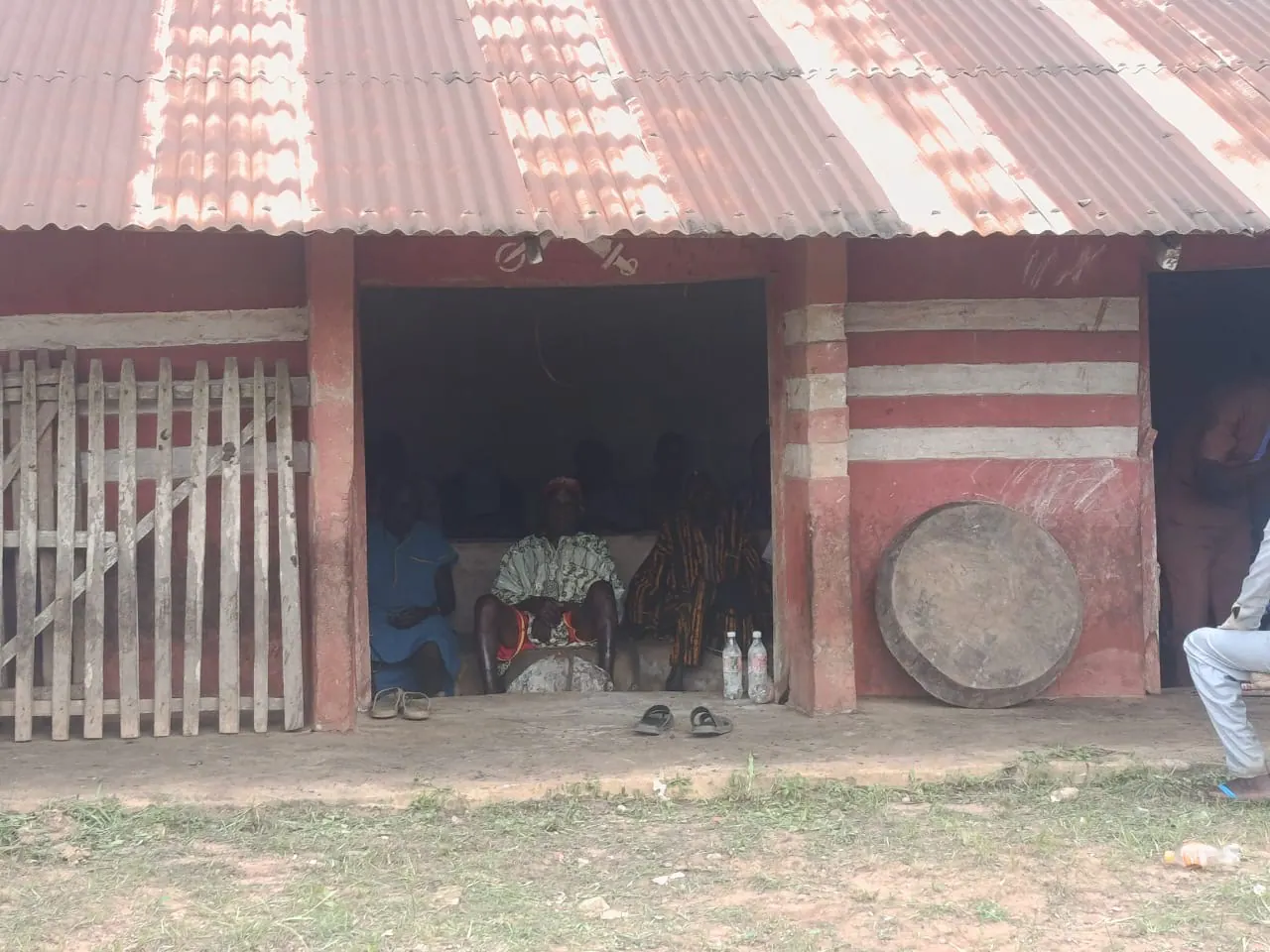
The Council of Elders has dismissed Imaru's allegations, describing them as unfounded. The Council's spokesperson, Mr. Aguebor Ebo, stated that the Enogie had consistently participated in community festivals and activities. Ebo made these comments during a meeting of the Council of Elders in Orogho. The Council's position is that the Enogie remains actively involved in community life.
The Secretary of Orogho Community, Mr. Ikponmwonsa Osayomore, has challenged the authority of Imaru and Mr. Stanley Osemekha to speak on behalf of the community. Osayomore stated that while Imaru and Osemekha are indigenes of Orogho, they have no mandate from the recognised leadership structure to represent the community. He emphasised that Orogho has an established leadership structure created by the people to promote peace, order, and unity.
Osayomore revealed that Imaru and Osemekha had previously been involved in the community's leadership process for about two years and helped formulate the Orogho Community Constitution. The constitution provides guidelines for the nomination of members of the Orogho Community Council of Representatives. However, Osayomore alleged that the disagreement escalated after Imaru's and Osemekha's nominees were not included in the Council of Representatives during the last nomination exercise.
The community secretary raised counter-claims concerning Imaru's activities as a member of the Orogho Community Board of Trustees, particularly regarding the management of funds for host-community development activities. Osayomore questioned the source, purpose, and utilisation of funds allegedly associated with a refurbished borehole project presented as a new community development project. He called for clarification on the matter.
Osayomore also questioned Imaru's contributions to Orogho's development during his years in public service. He asked what tangible development projects and employment opportunities Imaru had attracted to the community. The allegations and counter-claims could not be independently verified. The Council of Elders stated that its position was not aimed at stifling dissent but at protecting the community's established leadership structure.
The Council urged parties to channel disagreements through internal mechanisms, prioritising the peace, unity, and development of Orogho. The Council emphasised that anyone seeking to speak or act on behalf of Orogho Community should obtain the mandate of its recognised leadership structure. This approach aims to prevent competing claims of representation and promote stability in the community.
Key points
- The Orogho Community leadership crisis centres on allegations against the Enogie and disputes over representation and fund management.
- The Council of Elders has dismissed allegations against the Enogie, citing consistent participation in community activities.
- The crisis may impact community development and stability if not resolved through internal mechanisms.