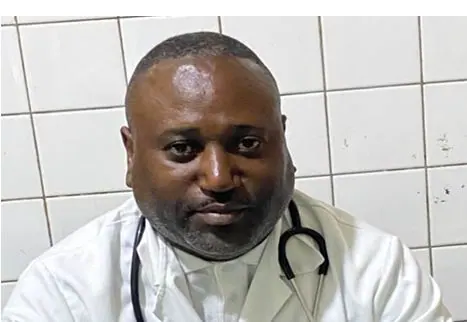
The organization of free screening campaigns is a crucial tool in the fight against type 2 diabetes in the Democratic Republic of Congo (DRC), according to Dr. Bienvenu Nzuzi Mbembo, a physician at a Kinshasa hospital. With diabetes being a major public health problem, Dr. Nzuzi emphasized the need for early detection and awareness. According to the International Diabetes Federation (IDF), approximately 589 million adults aged 20-79 worldwide live with diabetes, with over 80% residing in low- and middle-income countries.
Dr. Nzuzi highlighted that in Africa, about 72.6% of diabetes cases remain undiagnosed, and the number of patients could reach nearly 60 million by 2050, representing a 142% increase if no action is taken. To combat this, he stressed the importance of addressing modifiable risk factors such as obesity, sedentary lifestyle, diet, and stress. The doctor also emphasized that early screening involves integrating blood glucose tests into routine medical consultations and conducting free screening campaigns.
The management of diabetes, according to Dr. Nzuzi, involves therapeutic education, medical treatment to balance blood sugar levels, and management of complications. He noted that for type 2 diabetes, there are non-modifiable factors such as age and heredity, but it is possible to act on modifiable factors by promoting physical exercise, avoiding obesity, tobacco, and alcohol consumption, and adopting a healthy and balanced diet.
Dr. Nzuzi warned of the severe complications associated with diabetes, including acute complications such as hypoglycemia and coma, as well as chronic complications like cardiovascular disease, diabetic retinopathy, nephropathy, neuropathy, and diabetic foot. He emphasized that the only emergency requiring immediate intervention at home is hypoglycemia, characterized by blood sugar levels below 60 mg/dl, which can manifest through symptoms such as fatigue, sweating, headaches, and general malaise.
In the event of hypoglycemia, Dr. Nzuzi advised giving the affected person sugary food or drinks immediately. He defined diabetes as a chronic disease characterized by abnormally high blood sugar levels, known as hyperglycemia. The doctor's statements highlight the urgent need for action against diabetes, which has become a significant health challenge in the DRC.
According to Dr. Nzuzi, free screening campaigns can significantly contribute to curbing the diabetes explosion in the DRC. By detecting cases early and promoting awareness, it is possible to prevent complications and improve the quality of life for patients. The doctor's call to action emphasizes the importance of collective efforts to address the growing diabetes epidemic.
The DRC, like many other low- and middle-income countries, faces significant challenges in managing the growing burden of diabetes. With the number of people living with diabetes expected to increase substantially in the coming years, the country's healthcare system will need to adapt and strengthen its response to this growing health threat. Dr. Nzuzi's advocacy for free screening campaigns is a crucial step towards addressing this challenge.
Key points
- Organizing free screening campaigns is crucial in the fight against type 2 diabetes in the DRC.
- Early detection and awareness are essential in preventing diabetes complications.
- Addressing modifiable risk factors such as obesity, sedentary lifestyle, diet, and stress can significantly contribute to curbing the diabetes epidemic.