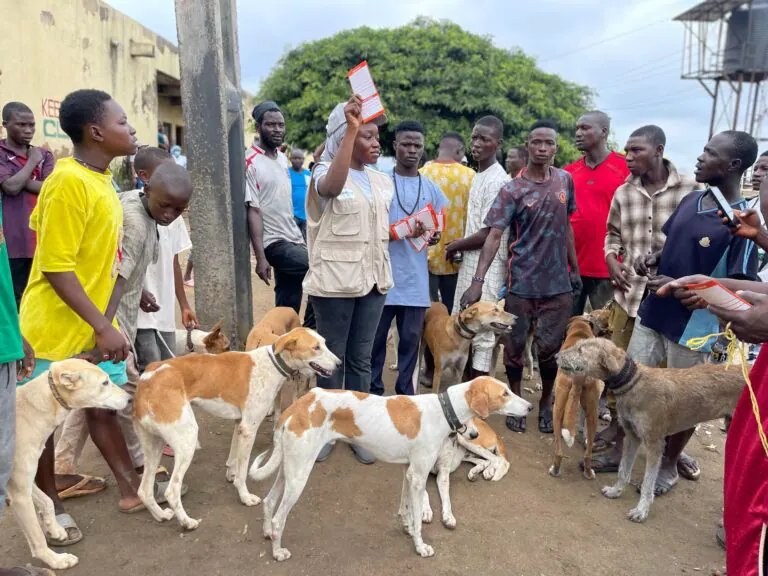
The Blueblood Veterinary Services has called for a renewed commitment to preventing rabies deaths in Nigeria through stronger integrated surveillance linking veterinary and human health systems. This recommendation was made by Dr. Bala Muhammed, Director of Blueblood Vet Ltd., in an interview in Abuja on Monday, in commemoration of the World Rabies Day. The day is observed annually on September 28, and the 2026 edition has the theme “Stronger Together”.
Dr. Muhammed emphasized that sustained mass vaccination of dogs must remain at the centre of rabies control to break rabies transmission at its source and protect entire communities. He advised that every dog bite should be reported, investigated, and used as an opportunity to prevent further transmission. According to him, Nigeria must move from responding to outbreaks to preventing them.
Rabies has been identified as one of the world’s most tragic public-health paradoxes, with almost 100 per cent fatality once clinical symptoms appear. Dr. Muhammed stressed that it was imperative that post-exposure prophylaxis must be available and accessible. He urged anyone bitten or scratched by a potentially rabid animal to immediately wash the wound thoroughly with soap and running water and seek urgent medical care.
The global zero by 30 goal to end human deaths from dog-mediated rabies by 2030 is ambitious, but achievable with sustained political commitment and community action. Dr. Muhammed emphasized that responsible dog ownership, vaccination, avoiding contact with unfamiliar animals, and promptly reporting bites can save lives. He suggested that schools, traditional institutions, religious organisations, and the media can help make this knowledge widespread.
The theme of the year, “Stronger Together”, stresses the need for dogs to be vaccinated, while people, particularly children, should be protected, bites treated, cases reported, and surveillance strengthened. Dr. Muhammed described the theme as particularly relevant to Nigeria, emphasizing that rabies does not respect the boundaries between human health, animal health, and communities.
In Nigeria, recent rabies outbreaks have demonstrated the urgency of the situation. In the Federal Capital Territory (FCT), authorities have confirmed eight rabies cases and two deaths in the Gwagwalada and Kwali Area Councils in 2026. Additionally, 25 rabies cases and 12 deaths were reported in Bassa Local Government Area of Plateau in 2025, including three members of a family.
The World Health Organisation (WHO) estimates that rabies causes about 59,000 deaths globally each year, with dogs responsible for approximately 99 per cent of human rabies infections. In Nigeria, WHO has cited an estimated 10,000 annual rabies deaths, while acknowledging that inadequate surveillance means the true burden may be higher.
Key points
- Sustained mass vaccination of dogs is crucial to break rabies transmission.
- Post-exposure prophylaxis must be available and accessible to prevent rabies deaths.
- Stronger integrated surveillance linking veterinary and human health systems is necessary to prevent rabies deaths.