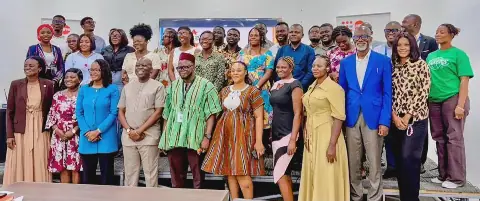
WeWorld Kenya, through its Imara Project, is collaborating with 18 schools in Narok County to end Female Genital Mutilation and gender-based violence. The initiative aims to promote innovative interventions to eliminate FGM by 2030, as set out in the Sustainable Development Goals. According to Ms. Linda Kiogora, Programs Officer at WeWorld Kenya, collective, innovative, and well-funded approaches are necessary to achieve this target.
The Imara Project involves learning institutions from Narok North, Narok Central, Narok East, and Narok South Sub-Counties, incorporating young people in efforts to end harmful practices. FGM is rooted in gender inequality and power imbalances, limiting opportunities for girls and women in health, education, income, and equality. Ms. Kiogora noted that FGM persists as a grave violation of women’s and girls’ rights, perpetuating gender inequality and causing severe physical and mental harm.
The project seeks to address deeply entrenched social and cultural norms of FGM and child marriages, involving National Government Administration Officers, policymakers, young innovators, FGM experts, enterprise coaches, and donors. With only four years left to reach the global target of eliminating FGM, collective, well-funded, and innovative action is urgently needed. According to UNFPA, an estimated 650 million girls were child brides worldwide, including 130 million African girls and women.
Globally, almost 200 million girls and women alive today have undergone FGM in 31 countries, with 80 per cent of the cases occurring in Africa. Data shows that girls whose mothers have primary education are 40 per cent less likely to undergo FGM than those whose mothers have no education. Ms. Kiogora stated that there is a need to embrace innovation as a driving force in the pursuit of a more equitable and just world.
The Program Officer called upon all duty bearers to put an end to gross violations and protect the lives of women and girls. She noted that these violations systematically deprive Kenyan women and girls of their rights as citizens, making them live in fear. Ms. Kiogora called on the government to invest towards ending violence against women, allocating resources to ensure the full implementation of existing GBV laws and policies.
WeWorld Kenya has lined up a training programme that will engage boys and young men in the fight against gender inequality and teenage pregnancy. The program aims to foster a culture of gender parity and equality in education across the four sub-counties. Ms. Kiogora emphasized the crucial role of boys and young men in fostering gender equality and preventing teenage pregnancies, equipping them with the right tools to advocate for change within their communities.
Key points
- Collective, innovative, and well-funded approaches are necessary to eliminate FGM by 2030.
- The Imara Project involves learning institutions and stakeholders to address deeply entrenched social and cultural norms of FGM and child marriages.
- There is a need for collaboration to ensure women and girls live free from the shadow of FGM and child marriage.
Reporting sources
- Organisation trains Narok young people to fight GBV, FGM · Kenya News Agency