The Nigerian opposition parties are still searching for a viable coalition ahead of the 2027 presidential election. Peter Obi, the presidential candidate of the Labour Party, and his running mate, Rabiu Kwankwaso, took time to settle into their new party, which was also engaged in a lengthy legal battle. The African Democratic Congress (ADC) is another embattled party, struggling to kick-start its campaign due to internal crises.
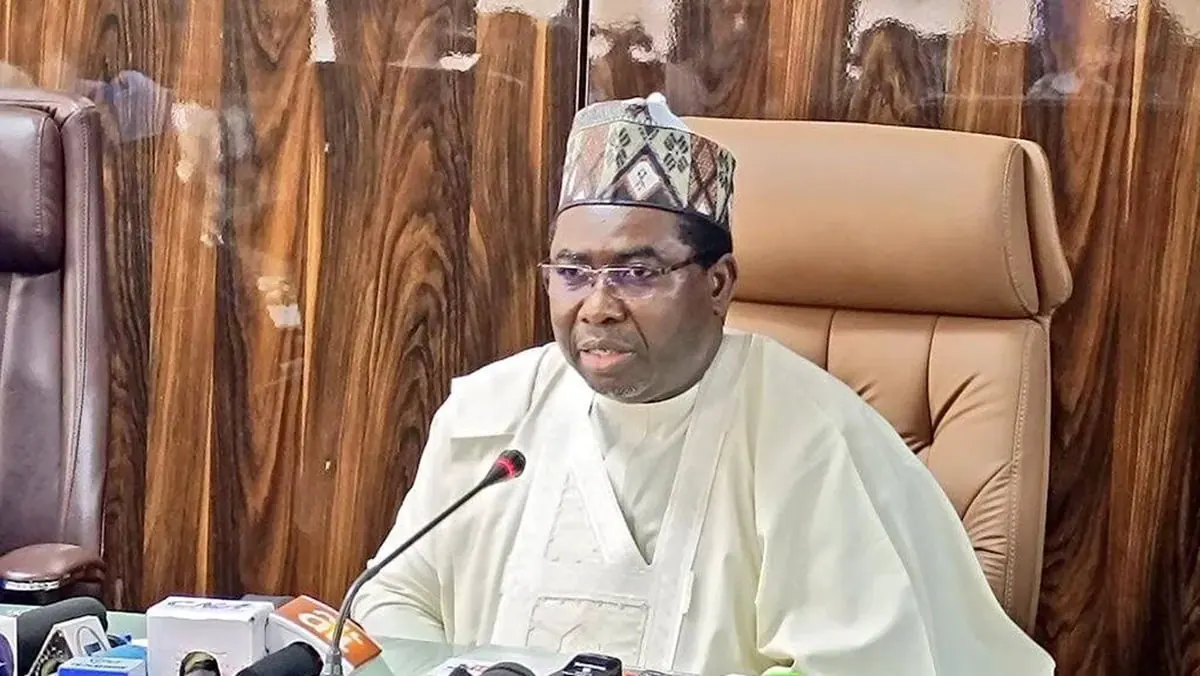
The ADC's National Publicity Secretary, Mallam Bolaji Abdullahi, attributed the delay in constituting the campaign council to the party's repositioning exercise. He stated that the party would take its time to ensure the council reflects its strategy for the 2027 polls. Meanwhile, Atiku Abubakar, the ADC's presidential candidate, recently announced his presidential campaign committee, although a date for its inauguration has not been set.
The opposition parties' efforts to form a coalition have been hindered by internal conflicts and a prolonged legal crisis. A chieftain of the ADC revealed that the party's takeover by the Senator David Mark-led executive led to a prolonged legal crisis. Furthermore, the emergence of the G100, a group aiming to midwife a unified opposition candidate, has been met with skepticism by some opposition elements.
The G100's agenda appears to be facing challenges, with sources suggesting that neither Atiku nor Peter Obi would step down for each other. Former President Olusegun Obasanjo reportedly insisted that Obi should not step down for Atiku. With Atiku's camp also unwilling to step down, the G100's efforts to produce a single opposition candidate seem uncertain.
Despite the challenges, some opposition candidates have begun to engage in policy discussions. Atiku Abubakar sparked a debate on subsidy, which was later responded to by the presidential villa. Gbenga Hashim has also been forthcoming with policy discussions, although his party's crisis has limited his campaign visibility.
The opposition parties' lack of visibility and delay in releasing manifestoes and blueprints have been criticized by analysts. The electorate expects more from the candidates, but there has been little activity beyond occasional town hall meetings and Abuja gatherings of the G100.
The 2027 election campaign is expected to gain momentum in the coming months, with the opposition parties facing increased pressure to present a united front against President Bola Tinubu. However, with the current challenges and internal conflicts, it remains to be seen whether the opposition parties can overcome their differences and present a strong challenge.
Key points
- The opposition parties in Nigeria are struggling to form a coalition for the 2027 presidential election.
- The African Democratic Congress and Labour Party are among the embattled parties facing internal crises.
- The G100's efforts to produce a single opposition candidate appear uncertain due to internal conflicts.