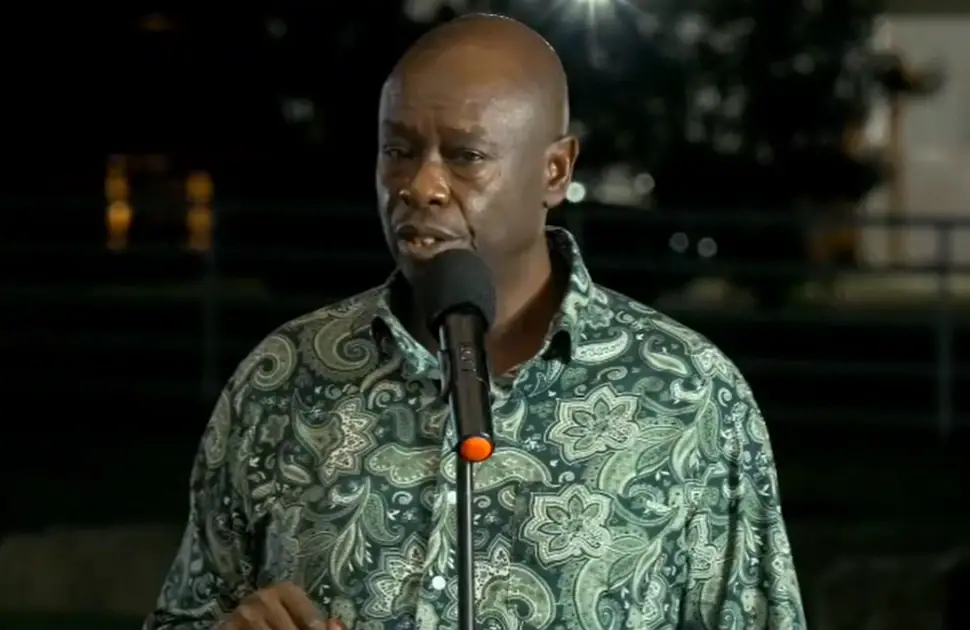
Kenya's opposition leaders, including Rigathi Gachagua, David Maraga, and Justin Muturi, have boycotted a meeting with the Independent Electoral and Boundaries Commission (IEBC). They accuse the electoral body of operating under President William Ruto's influence. The meeting, scheduled for Wednesday afternoon, was organized by the State Department for Interior, sparking concerns about government involvement in opposition-IEBC engagements.
Gachagua claimed that President Ruto is speaking on behalf of IEBC, questioning the commission's independence. The opposition leaders also raised concerns about IEBC's preparedness for by-elections, citing the expired contract with election technology provider Smartmatic on November 24. Gachagua announced plans to mobilize Kenyans for mass action in January 2027 if their concerns remain unaddressed.
Maraga accused IEBC of disregarding opposition concerns, stating that attending the meeting would amount to endorsing the commission's decisions. He also accused President Ruto of undermining the electoral commission's independence by warning against demonstrations. Maraga revealed that the opposition is preparing a Bill to strengthen transparency in the electoral process and called for the scrapping of the National Tallying Centre.
Muturi disputed President Ruto's and Interior Cabinet Secretary Kipchumba Murkomen's remarks on planned demonstrations, insisting that they have no mandate to speak on behalf of IEBC. He questioned the estimated cost of live-streaming election results, suggesting that media houses could facilitate the exercise. Muturi also raised concerns about alleged changes within IEBC, with 24 staff members reportedly moved on Tuesday.
The opposition leaders emphasized that IEBC must independently address concerns over electoral technology, results transmission, and transparency ahead of the 2027 polls. They vowed to ensure a free, fair, and transparent election. The boycott and accusations have sparked concerns about the electoral process and potential mass action in January 2027.
IEBC chairperson had previously stated that live-streaming election results would be costly, but Muturi argued that media houses could facilitate the exercise. The opposition's concerns about electoral transparency and technology have been ongoing, with the leaders pushing for reforms ahead of the 2027 General Election.
The situation remains tense, with the opposition planning mass action and IEBC facing criticism over its independence and preparedness for the 2027 polls. Key issues, including electoral technology and transparency, remain unresolved. The opposition's boycott of the IEBC meeting has highlighted the challenges facing Kenya's electoral process.
Key points
- Opposition leaders accuse President Ruto of interfering with IEBC's independence.
- The opposition plans to mobilize Kenyans for mass action in January 2027 if concerns remain unaddressed.
- IEBC faces criticism over electoral technology, results transmission, and transparency ahead of the 2027 polls.