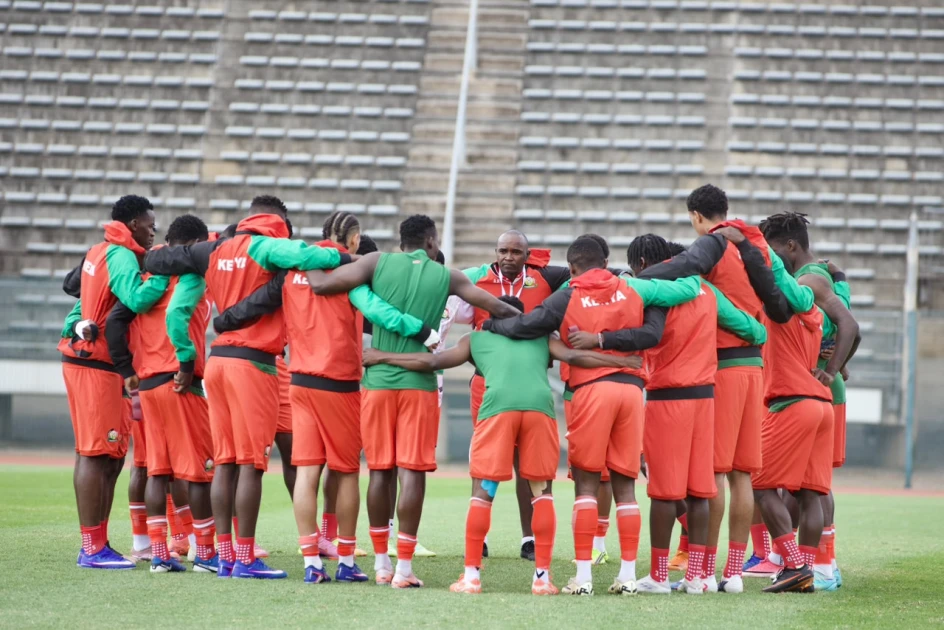
Every four years, millions of Kenyans passionately follow the FIFA World Cup, celebrating goals and debating tactics, while dreaming that one day Kenya will also be part of football's greatest stage. However, Kenya's absence from the World Cup is not due to a lack of talent, but rather decades of inconsistent planning, poor governance, inadequate investment in youth development, and an absence of a long-term football philosophy.
Nations that consistently qualify for the World Cup have systems that identify talent early, nurture it scientifically, and provide clear pathways to professional football. Kenya has thousands of naturally gifted young footballers, but lacks a structured system to develop them. Talent without development is merely potential. A national football development strategy is crucial to transform football from a seasonal activity to a national project.
The example of Suriname, a country with a population of just over 600,000 people and limited football success internationally, demonstrates that raw talent alone is never enough. Many players with Surinamese heritage have become stars for the Netherlands, thanks to the Dutch football system's professional youth academies, qualified youth coaches, modern training methods, and excellent infrastructure.
Morocco's success in the 2022 FIFA World Cup, where they reached the semi-finals, is another reminder of what long-term planning can achieve. This success followed years of investment in elite academies, coach education, sports science, player scouting, and partnerships between government and football authorities. Morocco's Mohammed VI Football Academy has become a continental benchmark, combining education, football, nutrition, psychology, and high-performance coaching under one vision.
Kenya is not starting from zero, as several institutions already possess mandates that could transform football if properly coordinated. The Football Kenya Federation (FKF) remains the technical custodian of football, with responsibilities including national football philosophy, coach education, youth competitions, talent identification, and national team development. However, Kenya still lacks a unified national player development pathway that links grassroots football to county academies, elite development centres, and the senior national teams.
The Ministry of Sports provides policy direction and national leadership, increasing investment in sports infrastructure and promoting sports as part of youth empowerment and economic development. The Kenya Academy of Sports has enormous potential, with a mandate extending beyond elite competition to football research, coach education, sports science, and talent development methodologies.
Sustainable financing is crucial for development, and the National Sports Fund has an important role in financing long-term development rather than only supporting competitions. Investment in children offers greater long-term returns than concentrating spending almost exclusively on senior national teams. Grassroots football must become visible in every one of Kenya's 47 counties, with structured leagues, certified youth coaches, qualified referees, safe playing fields, and medical support.
Key points
- Kenya's absence from the FIFA World Cup is due to inconsistent planning, poor governance, and inadequate investment in youth development.
- A national football development strategy is crucial to transform football from a seasonal activity to a national project.
- Sustainable financing and investment in children are essential for long-term development and success in football.