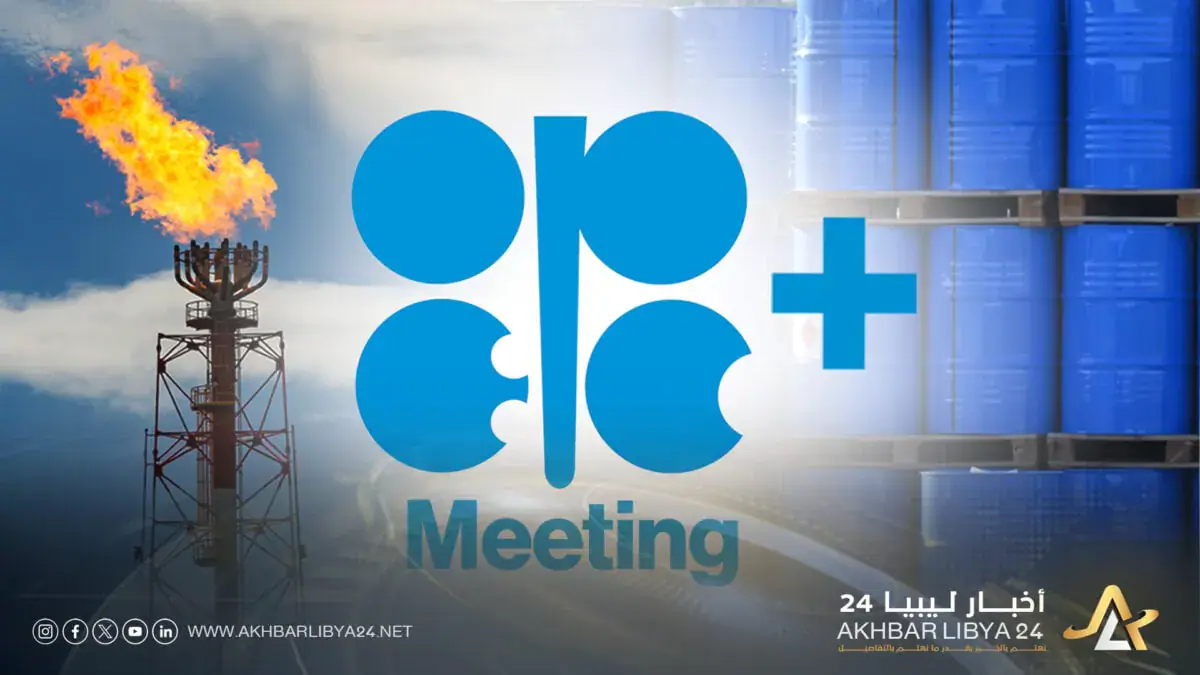
The OPEC+ alliance, comprising Saudi Arabia, Russia, and 19 other countries, is set to convene an online meeting to determine oil production quotas for 2027. The gathering comes at a time of great uncertainty in the global oil market, with analysts predicting a complex discussion. The meeting's outcome will significantly impact the global economy, as OPEC+ seeks to balance supply and demand while navigating geopolitical tensions.
The discussions are crucial as they come ahead of the implementation of new production capacity references for 2027, which have been under evaluation for two years. According to reports, some members may push for changes to their production quotas, citing varying capacities and economic needs. Jorge Leon, an analyst at Rystad Energy, noted that the meeting will be one of the most complicated in recent years, with many factors at play.
Geopolitical tensions, particularly the ongoing conflicts in Ukraine and between the US and Iran, have added to the complexity of the situation. The war in Ukraine has led to significant disruptions in global energy supplies, while the US-Iran conflict has raised concerns about potential supply chain disruptions. These factors have contributed to a volatile oil market, with prices fluctuating wildly in recent months.
The potential return of a surplus in oil supply has raised questions about OPEC+'s ability to maintain market stability. The International Energy Agency (IEA) has forecast a surplus in the fourth quarter, driven by increased production and weak demand. This could lead to lower prices, which would impact the economies of OPEC+ member countries. Analysts have suggested that OPEC+ may need to consider production cuts to maintain market balance.
One of the key challenges facing OPEC+ is the distribution of production cuts, which would require some member countries to reduce their output. Countries with lower production capacities may resist cuts, while those with more significant capacities may be willing to reduce their output. The Iraqi oil minister, Basim Khudair, has stated that his country is negotiating with OPEC to increase its production quota, citing its economic needs.
Disagreements within OPEC+ are not new, with some member countries having expressed dissatisfaction with the current production quota system. The United Arab Emirates' decision to leave OPEC earlier this year has raised questions about the future of the alliance. Analysts have suggested that other countries with spare production capacity may also seek to increase their quotas or consider leaving the alliance.
The OPEC+ meeting will require a delicate balancing act, as member countries seek to maintain market stability while addressing their individual economic needs. The outcome will have significant implications for the global economy, as OPEC+ plays a critical role in determining global oil supplies. The meeting's success will depend on the ability of member countries to find common ground and work towards a mutually beneficial solution.
Key points
- OPEC+ faces a crucial test as it seeks to determine 2027 production quotas amid internal disagreements and geopolitical uncertainty.