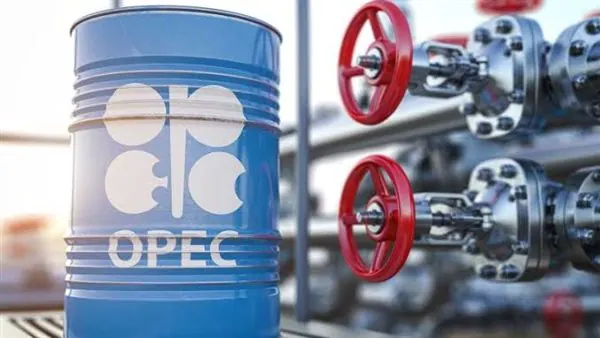
A representative from the OPEC+ alliance confirmed that the group has reached a preliminary agreement to keep oil production targets unchanged in November. This decision was reported by Reuters. The alliance consists of member countries of the Organization of the Petroleum Exporting Countries (OPEC) and non-OPEC producers led by Russia. The move aligns with expectations that OPEC+ would not make significant changes to its production targets for the fourth quarter.
In September, OPEC+ completed the gradual phase-out of a 1.65 million barrels per day (bpd) supply cut that was initially agreed upon in 2023. This development was a crucial step in the alliance's strategy to adjust production levels. According to Reuters, the group was expected to maintain its current production targets for the fourth quarter, focusing instead on negotiations for 2027 production quotas.
Data from OPEC revealed that the seven key producers within the OPEC+ alliance pumped 25 million bpd in August, marking an increase of 630,000 bpd from July. However, this production level remained approximately 5 million bpd lower than pre-war levels in February. The ongoing adjustments in production targets reflect the complex dynamics within the global oil market.
A review of production capacities, aimed at determining 2027 oil production quotas for member countries, has been delayed. This delay was caused by the impact of the Iran war on energy expansion projects in the Middle East, complicating the assessment of future production capabilities. The review, initially mandated to be completed by the end of September 2026, is now expected to be finalized by mid-November.
The OPEC+ alliance had tasked all its members with conducting a review of their production capacities by late 2025, prior to setting 2027 quotas. The delayed review has created uncertainty regarding the production levels of member countries. Some countries have not provided the necessary data for the review, further complicating the process.
The ongoing crisis in the Middle East has led to delays in projects that would have increased production capacity in some OPEC+ countries. This has made it challenging to estimate the amount of oil these countries will be able to produce in the future. The situation highlights the complexities and uncertainties surrounding global oil production and market dynamics.
The OPEC+ alliance continues to navigate the complexities of the global oil market, balancing production levels with changing geopolitical and economic factors. The preliminary agreement to maintain production targets in November reflects the group's cautious approach to managing oil supplies. As the alliance moves forward, it will need to address the ongoing challenges and uncertainties in the market.
Key points
- OPEC+ agrees to keep oil production targets unchanged in November.
- The alliance delays review of production capacities for 2027 quotas due to Iran war impact.
- OPEC+ production levels remain lower than pre-war levels in February.