The main countries in the OPEC+ alliance have agreed to keep their oil production quotas unchanged for next month, despite ongoing conflict in the Middle East and disruptions to parts of the alliance's production. This decision was made during a virtual meeting held on Sunday, according to a statement released by the alliance. The move is in line with the current production plan, which will remain in effect in November.
According to data from OPEC, the seven main countries in the alliance, led by Saudi Arabia and Russia, produced around 25 million barrels per day in August, an increase of 630,000 barrels per day from July. However, this is still 5 million barrels per day below pre-war levels in February. The alliance is currently implementing production cuts of around 2 million barrels per day, which affect most of its members.
Observers believe that it is unlikely that any significant changes will be made to production quotas before 2027, when a comprehensive assessment of production capacity is expected to be completed. The OPEC+ alliance is made up of several countries that work together to regulate the global oil market. The alliance's decisions have a significant impact on oil prices and global energy supplies.
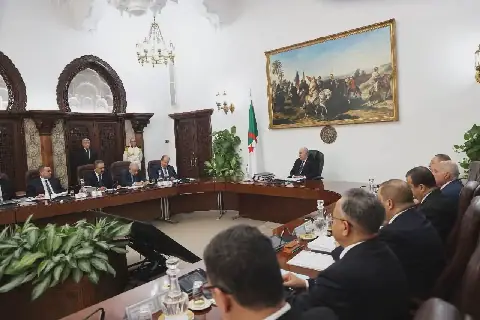
The virtual meeting was attended by representatives from several countries, including Saudi Arabia and Russia, which are the largest producers in the alliance. The decision to maintain current production targets is seen as a move to stabilize the global oil market, which has been affected by the ongoing conflict in the Middle East and other factors.
The OPEC+ alliance has been working to balance the global oil market, with the aim of maintaining stable prices and ensuring adequate supplies. The alliance's production cuts have been implemented to help achieve this goal, and it is expected that these cuts will continue to be applied in the coming months.
Egypt, as a major player in the region, is closely monitoring the developments in the OPEC+ alliance, as they have a significant impact on the global energy market. The country's economy is also affected by changes in oil prices, which can have a ripple effect on the overall economy.
In the coming months, the OPEC+ alliance is expected to continue to play a crucial role in regulating the global oil market. The alliance's decisions will be closely watched by energy analysts and market observers, who will be looking for any signs of changes in production quotas or other moves that could impact the global energy landscape.
Key points
- OPEC+ countries agree to maintain current oil production targets, with no changes expected until 2027.
- The alliance's production cuts have been implemented to help balance the global oil market and maintain stable prices.
- Egypt is closely monitoring the developments in the OPEC+ alliance, as they have a significant impact on the global energy market.