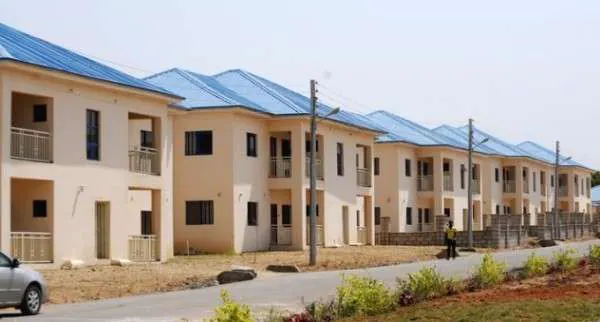
The Ministry of Works, Housing and Water Resources and the Ministry of Local Government, Chieftaincy and Religious Affairs have jointly stated that a mere 5% of Ghanaians can secure decent housing without external help. This revelation was made in commemoration of World Habitat Day 2026, with the theme, “Adequate Housing for All.” The ministries pointed out that a significant 60% of Ghanaians require government-facilitated support to access decent housing.
Furthermore, the ministries disclosed that another 30% of Ghanaians remain unable to afford housing even with government subsidies. High land prices, rising construction and infrastructure costs, and limited access to affordable housing finance have been identified as major contributors to the housing challenge. These factors necessitate deliberate interventions to make decent housing more accessible and affordable for Ghanaians. The situation underscores the need for comprehensive solutions to address the housing deficit.
In a bid to address the housing challenge, the government is implementing the National Mortgage Scheme in partnership with the National Housing Fund and Republic Bank. This initiative provides mortgage financing at an interest rate of about 8.4% per annum, with repayment periods of up to 20 years. The scheme aims to give more Ghanaians, particularly those excluded from traditional mortgage markets, an opportunity to own decent homes.
The National Mortgage Scheme is part of a broader strategy to enhance access to decent, affordable, and sustainable housing. Additionally, the government is pursuing the National Urban Policy and Implementation Plan 2026–2035 and the National Slum Upgrading and Prevention Strategy and Implementation Plan 2026–2035. These policies aim to address housing and urban development challenges comprehensively, ensuring that Ghanaians have access to essential services.
The ministries emphasized that adequate housing goes beyond providing housing units; it also requires access to potable water, sanitation, roads, electricity, drainage, and public spaces. This holistic approach seeks to improve the overall living conditions of Ghanaians. By addressing the various aspects of housing, the government aims to create sustainable and livable communities.
The government has reaffirmed its commitment to expanding access to decent, affordable, and sustainable housing across the country. The Ministry of Works, Housing and Water Resources and the Ministry of Local Government, Chieftaincy and Religious Affairs are working together to ensure that Ghanaians have access to essential services and decent living conditions.
As the government continues to implement these initiatives, it is expected that more Ghanaians will have access to affordable housing. The National Mortgage Scheme and other policies are critical steps towards achieving the goal of adequate housing for all. The success of these initiatives will depend on effective implementation and collaboration between relevant stakeholders.
Key points
- Only 5% of Ghanaians can afford decent housing without government support.
- The government is implementing the National Mortgage Scheme to provide affordable housing options.
- Adequate housing requires access to essential services such as water, sanitation, and electricity.