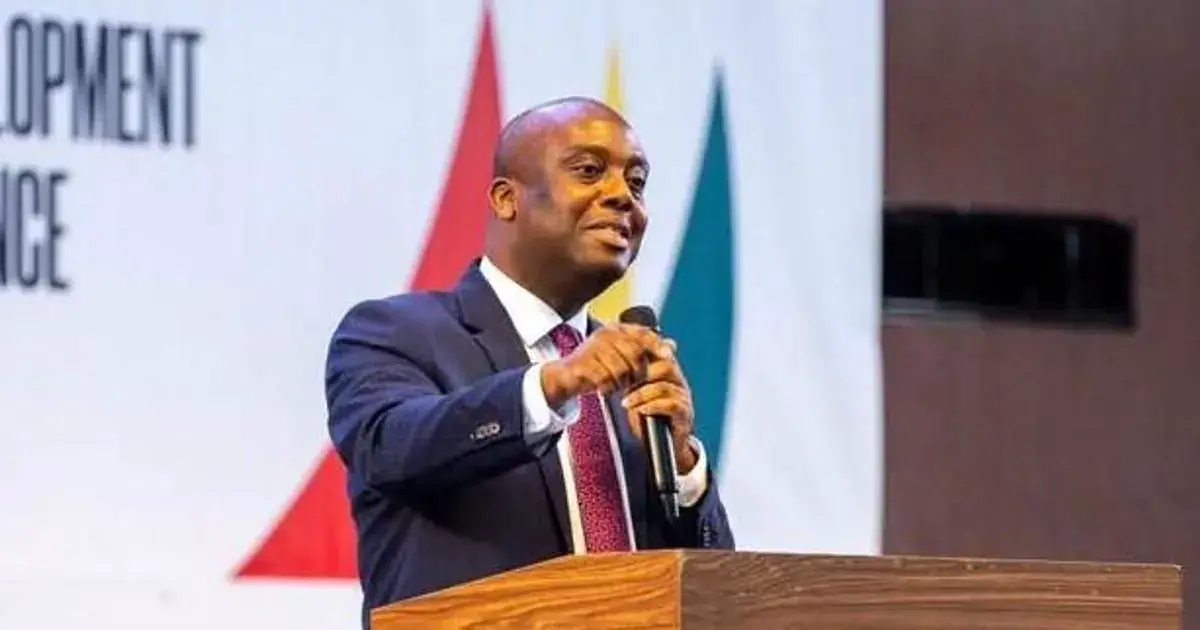
Deputy Finance Minister Thomas Nyarko Ampem has stated that approximately 80% of Ghanaian adults own financial accounts, yet only 22% are considered financially healthy. This disparity highlights that access to financial services has not necessarily translated into financial security for many Ghanaians. According to Ampem, having access to formal financial services does not guarantee that individuals can manage their finances effectively, meet daily needs, withstand unexpected financial shocks, and build savings for the future.
A working committee has been established to develop a five-year financial inclusion strategy aimed at improving financial literacy, consumer protection, and access to affordable financial services. This strategy is expected to be launched in the first half of 2027. The committee's tasks include identifying gaps in the financial sector and recommending measures to expand access to affordable and responsible financial services, strengthen consumer protection, promote financial literacy, and improve the financial resilience of households and businesses.
The event where the working committee was inaugurated was attended by Queen Máxima of the Netherlands, the Director-General of the Securities and Exchange Commission, Dr. James Klutse Avedzi, the Second Deputy Governor of the Bank of Ghana, Matilda Asante-Asiedu, and the Chief Executive Officer of the Ghana Investment Promotion Authority, Simon Madjie, among other officials. Queen Máxima emphasized the need for Ghana to move beyond measuring financial inclusion through bank account ownership and focus more on whether individuals and households are financially healthy.
Queen Máxima called for improved data collection to capture differences across gender, age groups, and rural and urban communities. She cited an example from the Netherlands where a major bank discovered that about one-fifth of its customers had virtually no savings. The bank subsequently introduced products that automatically set aside a portion of customers' income for savings. Queen Máxima also stressed the importance of stronger collaboration among financial regulators, government institutions, and private sector players.
Deputy Finance Minister Ampem also mentioned that the government intends to operationalize a financial health framework to assess how well households can meet everyday expenses, withstand unexpected financial difficulties, save, and invest for the future. The strategy will promote digital innovation and responsible financial services while improving consumer protection and financial literacy. A Financial Inclusion Council is expected to be established to strengthen coordination and accountability among institutions responsible for advancing the country's financial inclusion agenda.
The financial inclusion strategy aims to provide a roadmap for moving the country from increased financial account ownership to meaningful use of financial services and improved financial well-being. Ampem noted that Ghana needs to move beyond increasing the number of people with bank accounts and mobile money wallets to ensuring that individuals and households can use financial services effectively to improve their financial well-being.
The launch of the financial inclusion strategy and the establishment of a Financial Inclusion Council are crucial steps towards promoting financial health and inclusion in Ghana. The government's efforts to improve financial literacy, consumer protection, and access to affordable financial services will be essential in achieving the goal of increasing the percentage of financially healthy Ghanaian adults. Key initiatives will focus on promoting digital payments, improving data sharing, and developing affordable insurance and pension products, particularly for informal sector workers.
Key points
- Only 22% of Ghanaian adults are financially healthy despite 80% owning financial accounts.
- A five-year financial inclusion strategy is being developed to improve financial literacy, consumer protection, and access to affordable financial services.
- The strategy aims to promote digital innovation, responsible financial services, and improved financial well-being for Ghanaian households and businesses.