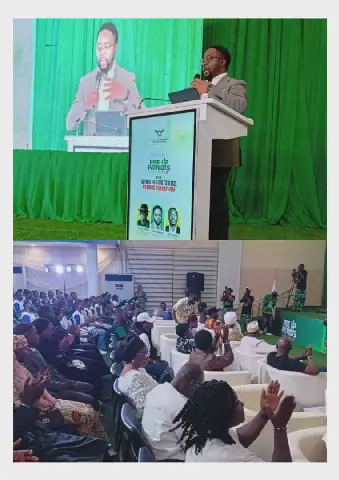
According to Mr. Ziad Hamoui, National President of Borderless Alliance, only 17 per cent of Ghanaians have heard of the African Continental Free Trade Area (AfCFTA). This low level of awareness could limit Ghana's ability to maximise opportunities under the continental trade agreement. The situation reflects a broader challenge across Africa, where an average of 87 per cent of people have not heard of the agreement.
The figures were drawn from the third Afrobarometer report, which found out that awareness of AfCFTA remained low across the continent. Mr. Hamoui made these remarks on a media platform on regional trade and border cooperation powered by the Ghana Ports and Harbours Authority (GPHA). He stressed that greater public education was necessary to enable traders and businesses to understand and take advantage of the opportunities available under the agreement.
The low level of awareness is compounded by delays in implementing existing trade agreements. Mr. Hamoui noted that commitments made at continental and regional levels often failed to translate into practical benefits for businesses. This has resulted in a gap between policy commitments and implementation, which remains a major concern in regional integration.
To advance regional trade integration, Mr. Hamoui identified three immediate priorities. These include domesticating agreements into national laws and policies, educating traders and businesses about their provisions, and strengthening cooperation among institutions responsible for trade and border management. The private sector could support awareness creation but needs stronger collaboration with government institutions responsible for implementing the agreement.
In Ghana, the AfCFTA National Coordination Office has an important role to play in connecting continental commitments with national implementation. The office is responsible for sensitising businesses and publishing information on trade conducted under the agreement. However, Mr. Hamoui called for greater efforts to identify the barriers preventing businesses from using the agreement and to improve access to information on its benefits.
Professor Paul Nugent, Founder and Chairman of the African Borderlands Research Network, shares Mr. Hamoui's concerns. According to Prof. Nugent, research is necessary to establish why agreements and policies are not producing the expected results on the ground. Understanding the experiences of traders and communities in border areas would help policymakers develop practical interventions that respond to their needs.
The low awareness of AfCFTA and the challenges in implementing trade agreements have significant implications for Ghana and the continent. It is crucial for governments, private sector, and other stakeholders to work together to address these challenges and maximise the benefits of the agreement. By doing so, they can promote economic growth, increase trade, and improve the livelihoods of citizens.
Key points
- Only 17 per cent of Ghanaians have heard of the African Continental Free Trade Area (AfCFTA).
- Low awareness of AfCFTA and delays in implementing existing trade agreements are major concerns in regional integration.
- Greater public education and stronger collaboration between the private sector and government institutions are necessary to advance regional trade integration.