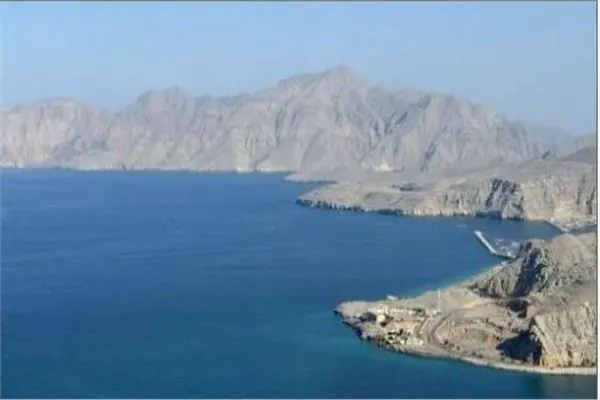
Recent international shipping data reveals a notable slowdown in commercial traffic through the Strait of Hormuz over the weekend. Only 12 cargo ships crossed the strategic waterway on Saturday and Sunday. This represents a significant decrease from the 35 ships that traversed the strait at the beginning of last week. The Strait of Hormuz is one of the world's most critical shipping lanes.
The slowdown in shipping traffic through the Strait of Hormuz has drawn close attention from international shipping and trade observers. The strait is a vital route for global oil exports and other critical supplies. Any disruption to traffic can have significant implications for global trade and energy markets. Shipping companies and analysts are monitoring the situation closely for any signs of further disruptions.
Iranian Parliament Speaker Mohammad Bagher Ghalibaf addressed the situation in the Strait of Hormuz on Sunday. He stated that the strait would not be opened until Iran's conditions are met. These conditions include recognition of what Iran considers its legitimate rights and the fulfillment of US commitments. Ghalibaf's comments were made during a speech to the Iranian Parliament.
Ghalibaf also emphasized that Iran is entering a new phase of resistance. He noted that defending the country is no longer limited to its geographical borders but has become more flexible and deeper. The Iranian Parliament Speaker reflected on Iran's experience in war, which he believes has strengthened the nation's self-confidence and independence.
According to Ghalibaf, the current resistance is not only about securing Iran's safety but also about creating a new system at the regional and international levels. He believes this can open up new economic and strategic opportunities for Iran. Ghalibaf's comments were reported by the Iranian news agency Tasnim.
The Strait of Hormuz has been a point of tension between Iran and other countries, particularly the United States. The waterway is critical for global oil exports, and any significant disruption could have far-reaching impacts on energy markets. The situation remains closely watched by international observers.
The slowdown in shipping through the Strait of Hormuz comes at a time of heightened tensions in the region. Other global events, including developments in Ukraine and the ongoing impacts of the Ebola outbreak in the Democratic Republic of Congo, are also being closely monitored. The international community remains attentive to any signs of escalation in these critical regions.
Key points
- Only 12 cargo ships crossed the Strait of Hormuz over the weekend, a significant decrease from the 35 ships that traversed the strait at the beginning of last week.