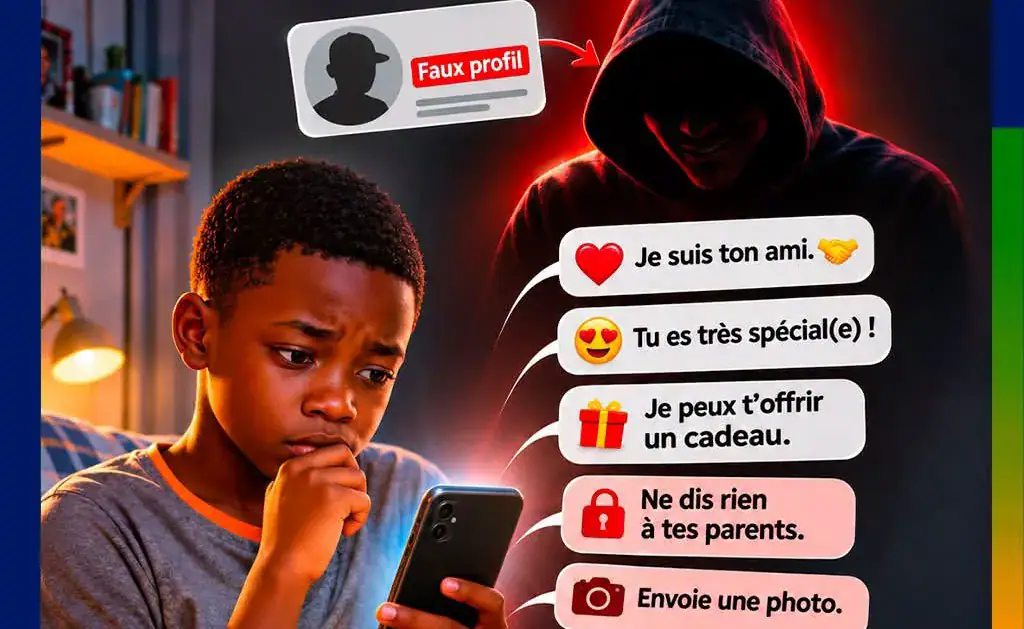
A growing concern in Burkina Faso is the rise of online grooming, where malicious individuals manipulate children through social media, online games, and messaging apps. This manipulation can lead to psychological exploitation, and in some cases, sexual favors. According to reports, these individuals use various tactics to gain a child's trust, including pretending to share similar interests and offering gifts. The issue has sparked concerns among parents, authorities, and experts, who are calling for increased vigilance and education to protect children.
The grooming process typically involves several stages, starting with the perpetrator making contact with the child online. They then attempt to build trust by showing attention and sharing common interests. The next stage involves isolating the child from their friends and family by encouraging them to keep their online interactions secret. This is often followed by requests for intimate photos or videos, or proposals for meetings. In some cases, the perpetrator may use blackmail and control to exploit the child.
Certain behavioral changes in children can indicate that they are being groomed online. These include hiding their online conversations or activities, spending excessive amounts of time online, especially at night, and becoming distant, anxious, or irritable without apparent reason. Other warning signs include receiving gifts from unknown individuals or talking about a special relationship with someone they met online. Parents and guardians are advised to be aware of these signs and to maintain an open dialogue with their children.
Experts stress the importance of establishing a climate of trust between children and their caregivers, allowing children to discuss their online experiences freely without fear of judgment or punishment. Children should be educated on not sharing personal information or intimate photos and videos online, being cautious of unusual requests, and reporting any exchanges that make them uncomfortable. In cases of suspected grooming, it is crucial to preserve evidence, avoid further contact with the suspect, and report the incident to the relevant authorities.
The consequences of online grooming can be severe, with children often feeling ashamed or guilty about their experiences. However, experts emphasize that grooming is never the child's fault and that it is essential to approach the situation with sensitivity and support. By working together, parents, authorities, and experts can help protect children from online exploitation and ensure their safety in the digital world.
In Burkina Faso, the issue of online grooming has become a pressing concern, with many children having access to the internet and social media. The government and civil society organizations are working to raise awareness about the risks of online grooming and to provide support to victims. However, more needs to be done to address this issue, including educating children, parents, and caregivers about online safety and the warning signs of grooming.
To combat online grooming, a collective effort is required, involving parents, caregivers, authorities, and experts. By being vigilant, educating children about online safety, and maintaining open communication, we can help prevent online exploitation and ensure the safety of children in Burkina Faso. The issue of online grooming requires a comprehensive approach, including awareness-raising, education, and support for victims.
Key points
- Online grooming cases are on the rise in Burkina Faso, with experts warning of psychological exploitation.
- The grooming process typically involves several stages, including building trust, isolating the child, and making requests for intimate photos or videos.
- Education and awareness-raising are crucial in preventing online grooming, including teaching children about online safety and the warning signs of grooming.