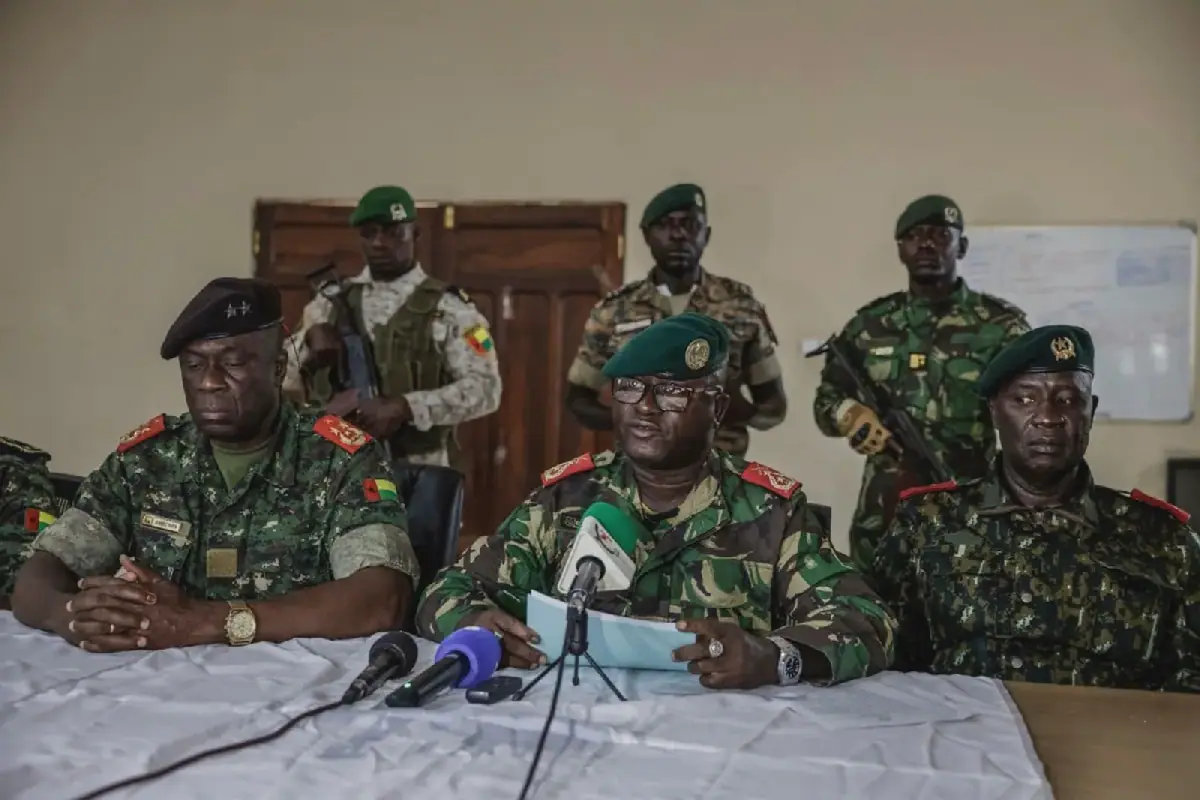
It's been one year since the military takeover in Guinea-Bissau, led by General Horta N'Tam, which interrupted the electoral process and ousted President Umaro Sissoco Embaló. Initially, a one-year transition period was announced, promising a return to civilian rule through new elections. However, 12 months later, the country's transition to constitutional order remains uncertain. The electoral process, initially set for December 6, 2026, has been postponed indefinitely, citing a lack of conditions necessary for the elections.
The military authorities have imposed restrictions on the activities of political parties and civil society, while the situation of political detainees, both military and civilians, has become a pressing concern. Bubacar Turé, President of the Guinean-Bissau Human Rights League, advocates for an inclusive national dialogue to address these challenges. According to Turé, such a dialogue is crucial for finding solutions to certain questions, including the situation of political detainees and the establishment of a clear roadmap for the transition.
Turé highlights some positive developments, such as the dismantling and disarmament of militias close to Umaro Sissoco Embaló and the release of political detainees. However, he emphasizes that more efforts are needed to fully restore fundamental freedoms and allow the resumption of political activities. The Guinean-Bissau Human Rights League President also expresses concerns about the role of the Economic Community of West African States (ECOWAS), criticizing the organization's inability to influence a peaceful resolution to the crisis.
ECOWAS has faced criticism for its handling of the situation in Guinea-Bissau, with Turé describing the institution as "moribund" and lacking credibility within the regional population. The organization has been accused of failing to uphold its principles of democracy, solidarity, and the rule of law. As the situation in Guinea-Bissau continues to unfold, the international community remains concerned about the country's prospects for a peaceful transition to democracy.
Despite partial lifting of the ban on political activities on November 24, several political figures remain in exile, and no new election date has been announced. The country's transition to constitutional order is uncertain, and the society civil stresses that a return to democracy will require an inclusive dialogue, restoration of fundamental freedoms, and guarantees for credible elections.
The circumstances surrounding the coup have also been a subject of controversy, with some accusing former President Umaro Sissoco Embaló of orchestrating the event to prevent the announcement of electoral results. Turé describes the coup as a "ceremonial coup" and criticizes ECOWAS for not taking a stronger stance against the military takeover.
As Guinea-Bissau marks one year under military rule, the country's future remains uncertain. With ongoing restrictions on civil liberties and an unclear transition timeline, the international community continues to monitor the situation closely. The need for an inclusive national dialogue and a clear roadmap for the transition has become increasingly pressing, as the country seeks to return to constitutional order and democratic governance.
Key points
- Guinea-Bissau's military transition, led by General Horta N'Tam, has failed to meet its one-year deadline for a return to civilian rule, with elections postponed indefinitely.