A recent methanol poisoning outbreak in Ondo, Nigeria, has resulted in 48 deaths and 182 cases, sparking concerns over regulatory enforcement. The National Agency for Food and Drug Administration and Control (NAFDAC) confirmed the incident, which was linked to locally prepared alcoholic and herbal concoctions. Laboratory analysis of 15 samples detected high concentrations of methanol, a toxic substance that can cause serious health problems, including blindness and death.
The Ondo outbreak is not an isolated incident, as a similar tragedy occurred in 2015 in Irele and Odigbo, also in Ondo State. The 2015 outbreak recorded 37 cases and 27 deaths, and was linked to locally brewed gin containing high concentrations of methanol. Researchers recommended stronger enforcement against illicitly produced alcoholic beverages to prevent similar outbreaks. Despite this, another suspected methanol poisoning outbreak has occurred in the same communities, prompting renewed questions about prevention and regulatory enforcement.
NAFDAC has taken steps to address the issue, including the arrest of 15 people involved in the production, distribution, and sale of the suspected toxic products. The agency has also highlighted improvements in regulatory capacity, laboratory operations, enforcement, and international recognition. However, the latest Ondo outbreak has again raised questions about product safety, enforcement, and consumer protection in the public domain.
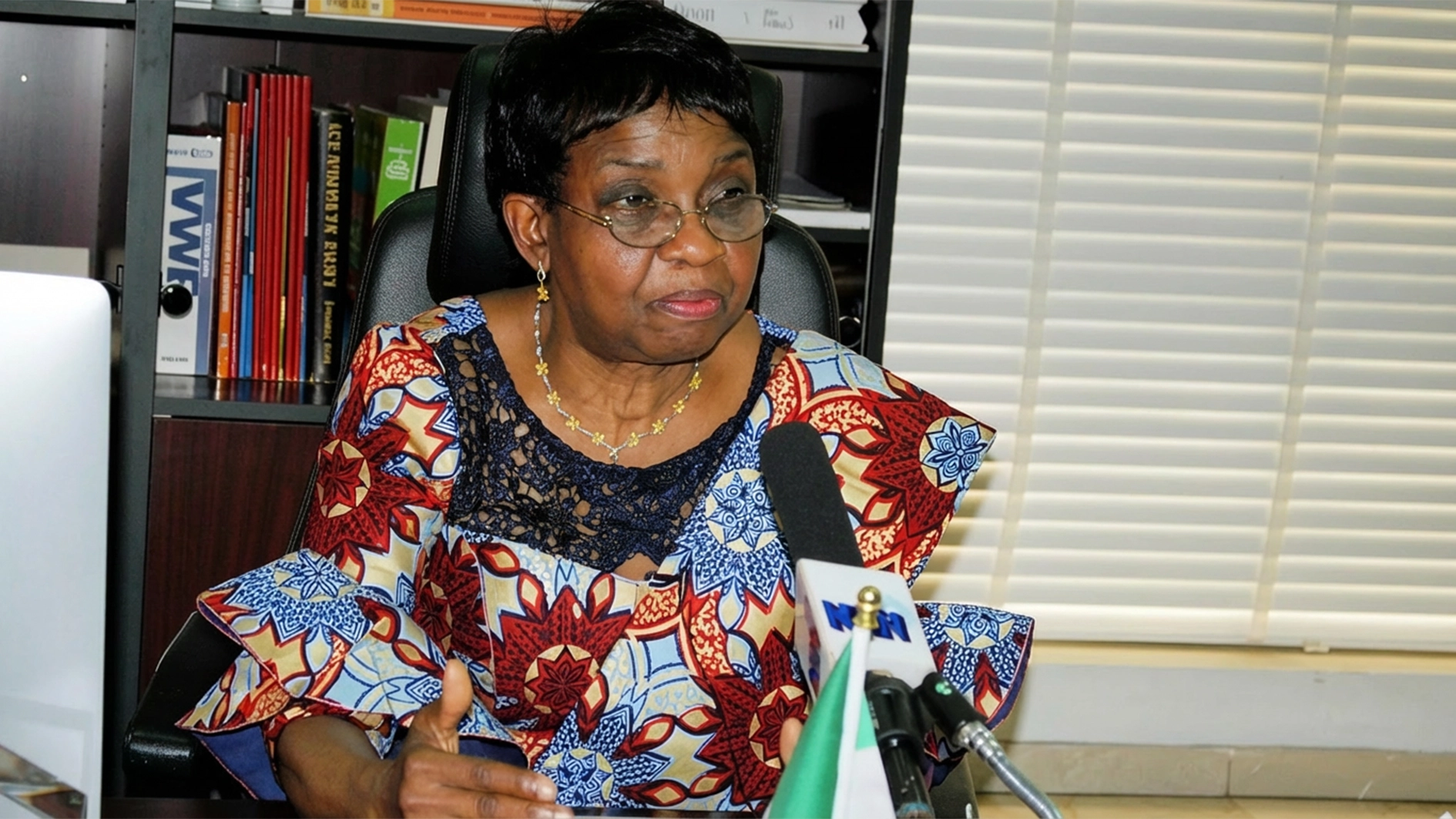
The incident has also sparked controversy over the leadership of NAFDAC, with some calling for the resignation of Director-General Prof. Mojisola Adeyeye. Adeyeye has defended her administration, citing challenges she faced when she assumed office, including a lack of functioning laboratory equipment and inadequate information technology systems. However, the controversy has generated criticism on social media, with Nigerians sharing photographs and videos of products they suspected were counterfeit or adulterated.
The Federal Government has estimated that about 40 per cent of spirits and wines consumed in Nigeria are illicit or unrecorded, based on a 2024 Euromonitor survey. This underscores the challenges facing regulators in controlling illicit alcoholic beverages and protecting consumers from potentially dangerous products. The government has launched Nigeria’s Alcohol Policy and Multisectoral Implementation Plan to address the issue.
The Ondo tragedy has renewed calls for stronger enforcement against illicit alcohol production and improved coordination among relevant regulatory and security agencies. Stakeholders will need to determine how the contaminated products were produced, distributed, sold, and consumed in the affected communities, and whether regulatory authorities received earlier warnings. The answers could help determine whether existing regulatory systems are adequate to prevent another methanol poisoning tragedy.
For families affected by the outbreak, the immediate priority remains treatment, support for survivors, and accountability for those found responsible. The incident has highlighted the need for authorities to ensure that lessons from previous outbreaks translate into concrete measures protecting Nigerians from dangerous products. The government and regulatory agencies must work together to prevent similar tragedies from occurring in the future.
Key points
- 48 deaths and 182 cases linked to locally prepared alcoholic and herbal concoctions in Ondo, Nigeria.
- The incident has raised questions over regulatory accountability and enforcement.
- The government has estimated that 40 per cent of spirits and wines consumed in Nigeria are illicit or unrecorded.