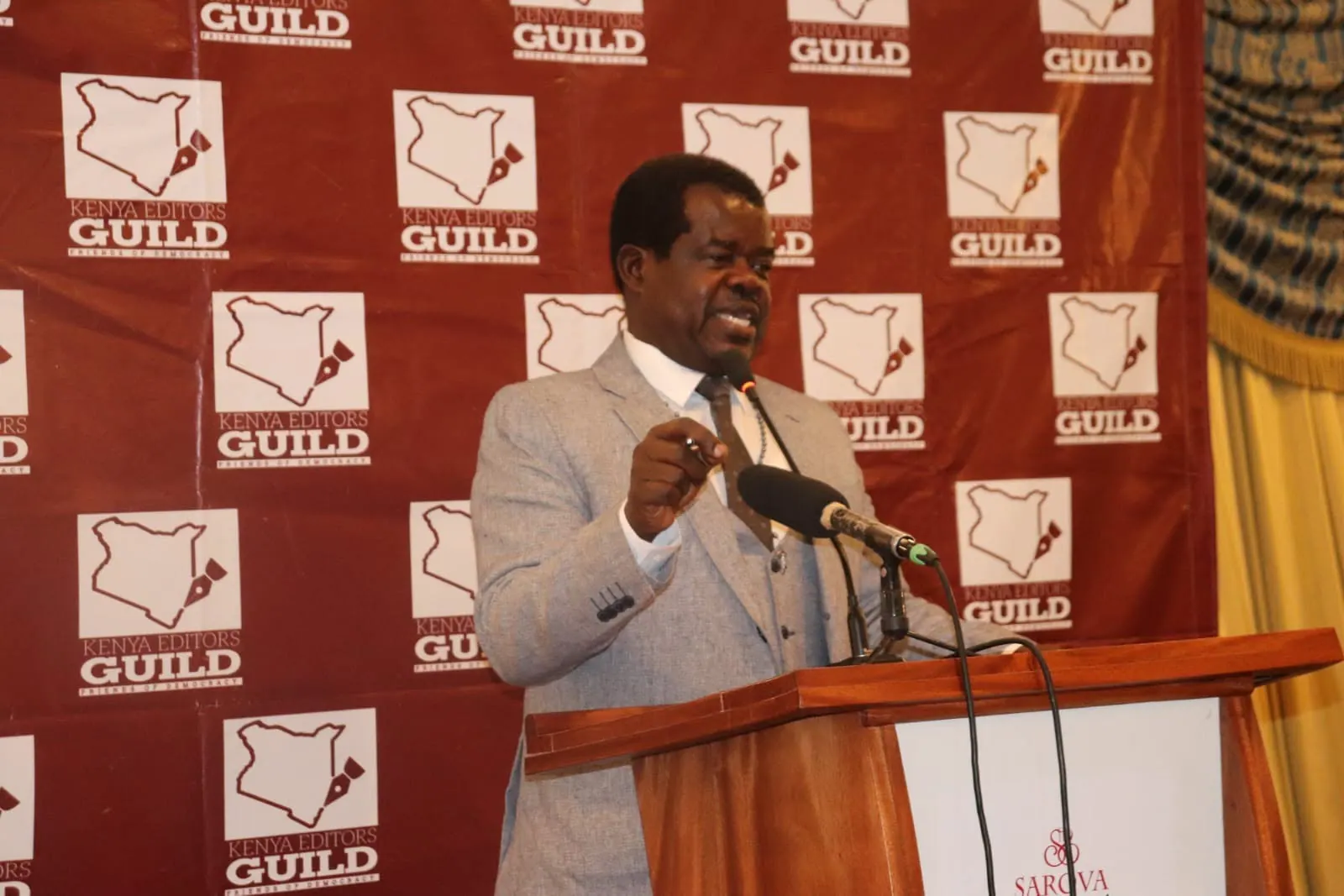
Kenyan Senator Okiya Omtatah has cautioned Nigerian billionaire Aliko Dangote against exerting pressure on Kenya's courts and judiciary. Omtatah emphasized that powerful individuals should respect institutions, as they may one day need their protection. This warning was issued during an institutional dialogue on public finance accountability, which addressed concerns over debt, transparency, and management of public resources.
The dialogue highlighted the significance of strengthening public institutions to protect citizens and ensure accountability in the use of public resources. Omtatah stressed that the judiciary is a crucial pillar in safeguarding rights, property, and the rule of law. He urged Dangote, who had expressed confidence that court action would not stop a multibillion-shilling project, to respect the judiciary.
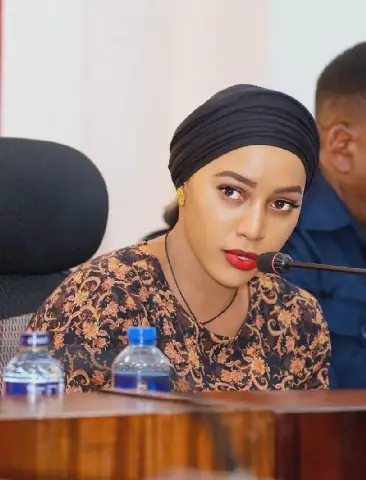
The discussion also focused on the need for improved access to public information. Kenya Editors' Guild President, Zubeidah, noted that citizens cannot meaningfully participate in public finance decisions when critical information is difficult to access or understand. She emphasized that parliament and government institutions should develop systems that make public information easier to find, understand, and use.
Omtatah questioned the control of public money, arguing that Kenya's constitutional framework is designed to prevent politicians from directly handling public funds. He stated that politicians should determine taxation and approve budgets, while trained public servants manage and implement approved programs. Omtatah also criticized the placement of the National Treasury under the Executive, citing concerns about institutional independence.
Kenya's debt situation has raised fresh accountability questions. According to the Auditor-General's Popular Report on National Government for 2024/2025, public debt stood at KSh11.83 trillion as of June 2025, equivalent to 67.8 per cent of GDP. The report also revealed that the government spent KSh4.51 trillion against ordinary revenue of KSh2.43 trillion, resulting in a KSh1.5 trillion deficit financed through domestic and foreign borrowing.
Journalists were urged to continue demanding information on public borrowing, government commitments, and expenditure. Zubeidah emphasized that access to information cannot simply mean uploading a document and ticking a box. The Auditor-General's report highlighted citizens' role in following audit findings and holding government accountable for public resources.
Omtatah concluded that stronger public scrutiny is essential, as Kenya's resources belong to its people. He emphasized that citizens must hold the government accountable for public resources. The warning to Dangote and the discussions on public finance accountability underscore the importance of respecting institutions and ensuring transparency in the management of public resources.
Key points
- Omtatah warns Dangote against intimidating Kenya's judiciary.
- Kenya's public debt stands at KSh11.83 trillion as of June 2025.
- Citizens are urged to hold the government accountable for public resources.