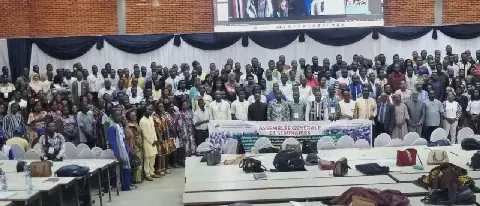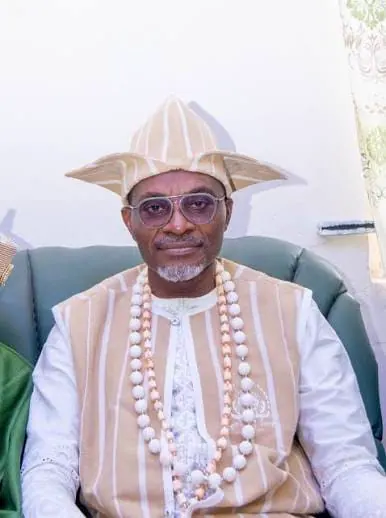
The Olowu of Owu Kingdom, Abeokuta, Oba Professor Saka Adelola Matemilola, has expressed concerns over the revision of African history. He made this statement during The Toyin Falola Interview, held on Sunday and streamed across various social media platforms. The interview, themed “Indigenous Education, Character Formation and the Making of Citizens,” brought together the monarch and a panel of scholars to examine indigenous knowledge, culture, education, leadership, and citizenship.
Matemilola described historical revisionism as a serious problem, warning that inaccurate historical narratives could mislead the public and undermine the preservation of indigenous heritage. He noted that people who write history depend on their motive, and some historical accounts are deliberately altered to deceive or mislead the public. The monarch identified public acceptance of repeated claims as another dimension of the problem, noting that many people may accept historical narratives without independently examining their accuracy.
The Olowu emphasized that the challenge has become more complicated in the digital age, where information can be produced and circulated rapidly. Historical claims can gain wide public attention before their accuracy is properly established. He argued that traditional institutions have a responsibility to ensure that their histories, genealogies, and practices are properly recorded rather than left entirely to memory or informal transmission.
In Owu Kingdom, efforts are underway to create a systematic record of the history of individual compounds and their contributions to the kingdom. Each agboole, or family compound, has a responsibility to document its genealogy, migration history, and traditional roles. The initiative aims to ensure that historical knowledge is preserved in a form that can be consulted by subsequent generations.
The Owu Kingdom has produced a documentary titled The Making of an Owu after the Olowu's enthronement. The documentary is part of an effort to formally record the kingdom's traditions and institutional processes. It covers the selection of the monarch, the role of kingmakers, relations between the traditional institution and government, and other key aspects of the kingdom's governance.
The Olowu's emphasis on documentation reflects his broader argument that indigenous institutions must take active responsibility for preserving their histories. Rather than allowing accounts of the past to depend solely on oral transmission, the monarch advocated creating accessible records that can provide reference points for future generations.
The Olowu's concerns highlight the need for accurate historical narratives and the importance of preserving indigenous knowledge. His efforts to document the history of Owu Kingdom serve as a model for other traditional institutions to follow. By taking proactive steps to preserve their histories, indigenous institutions can ensure that their cultural heritage is protected for future generations.
Key points
- The Olowu of Owu Kingdom raises concerns over the revision of African history.
- Inaccurate historical narratives could mislead the public and undermine the preservation of indigenous heritage.
- The Owu Kingdom is taking steps to document its history and preserve its cultural heritage.