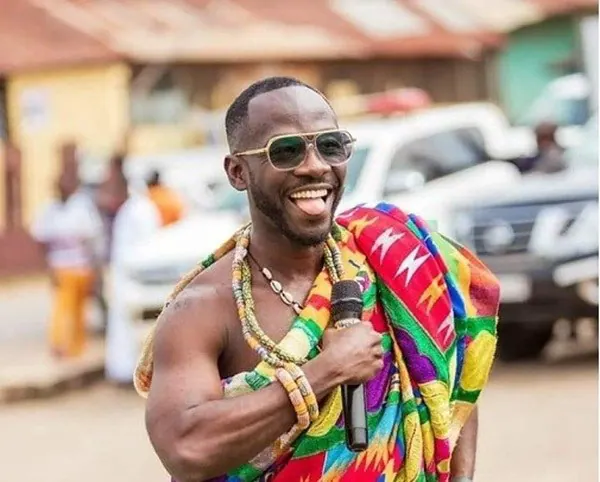
Ghanaian rapper Okyeame Kwame has sparked a fresh conversation about the origins of hiplife music, a genre that has been a cornerstone of Ghanaian popular culture since the 1990s. In an interview on Adom TV on 21 September 2026, Okyeame Kwame stated that crediting Oseikrom for founding hiplife would be "completely wrong." Instead, he argued that producer Zapp Mallet and pioneer Reggie Rockstone are the true founding figures of the genre.
According to Okyeame Kwame, Zapp Mallet created the distinctive sound of hiplife, while Reggie Rockstone popularized it and made it a lifestyle. He described the pair as "the two pillars of hiplife music," emphasizing that their individual contributions were the foundation of the genre that fused Twi lyrics with hip-hop rhythms. Okyeame Kwame's comments have reignited a long-standing debate about who founded hiplife, with some attributing its creation to the Oseikrom collective.
The Oseikrom collective has been mentioned in some accounts of hiplife's early development, but the specific claims made on their behalf or by their supporters are not well-documented. Reggie Rockstone has widely been publicly associated with popularising the genre since the mid-1990s, while producers such as Zapp Mallet have been credited within the industry for shaping its distinctive musical style.
Okyeame Kwame's remarks have significant implications for how the history of hiplife is documented and remembered. For many Ghanaians, hiplife is more than a music genre — it is tied to national identity and cultural pride, having shaped fashion, language, and youth culture for decades. As a respected industry figure, Okyeame Kwame's comments carry weight, particularly among younger generations of Ghanaian musicians and fans.
The debate over hiplife's origins is not merely a matter of historical record; it also reflects the complexities of cultural ownership and legacy. Hiplife has influenced today's Afrobeats-dominated scene, and understanding its roots is essential for appreciating the evolution of Ghanaian popular culture. Okyeame Kwame's comments are likely to spark further discussion and reflection on the genre's history.
It is unclear whether Zapp Mallet, Reggie Rockstone, or representatives of the Oseikrom collective have responded to Okyeame Kwame's remarks. No further public discussion, event, or scheduled follow-up on the matter has been reported at this time. The interview has generated significant interest, and it remains to be seen how the conversation will unfold.
The controversy highlights the importance of preserving and accurately documenting the history of Ghanaian music. As the genre continues to evolve, it is essential to recognize the contributions of key figures like Zapp Mallet and Reggie Rockstone, who have played a significant role in shaping hiplife's distinctive sound and style.
Key points
- Okyeame Kwame credits Zapp Mallet and Reggie Rockstone as the true founders of hiplife music.
- The debate over hiplife's origins reflects the complexities of cultural ownership and legacy.
- Okyeame Kwame's comments have significant implications for how the history of hiplife is documented and remembered.