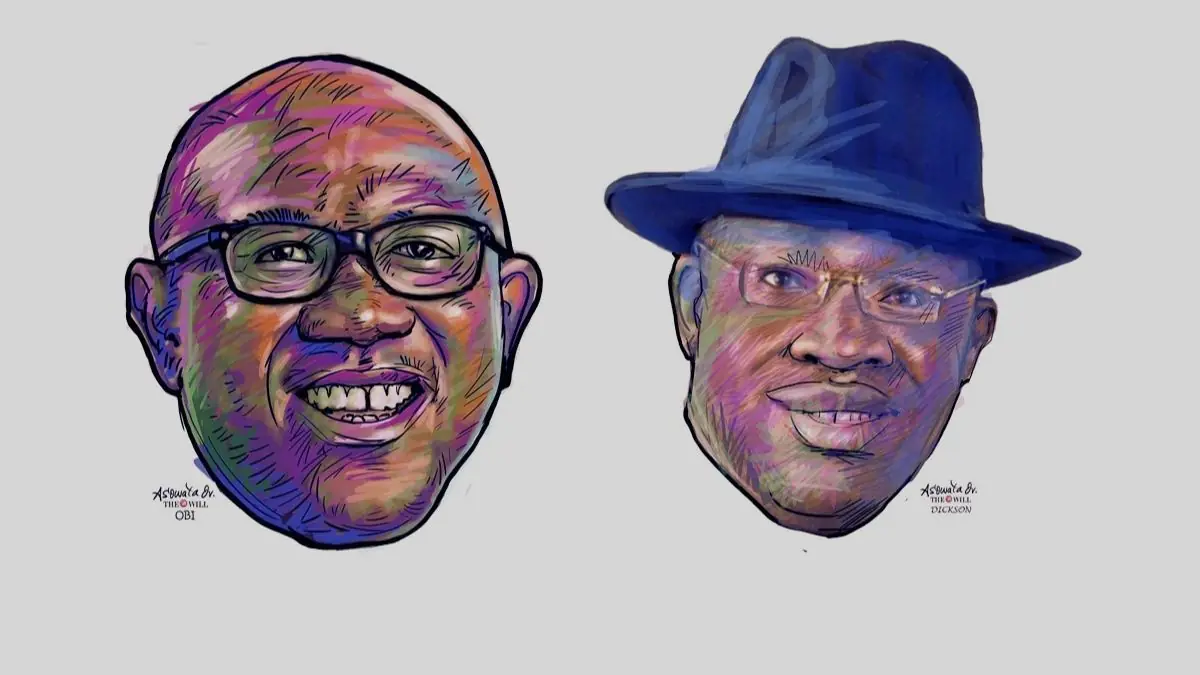
The OK Movement, one of the support groups for the Nigeria Democratic Congress, NDC, has insisted that it is an independent political organisation and does not require the approval of the party or its leaders to make decisions. This stance was taken after Peter Obi, the presidential candidate of the NDC, stated that the OK Movement, Obidient Movement, and Kwankwasiyya must obtain his approval and that of his running mate, Rabiu Kwankwaso, before taking any action for or on behalf of the party.
In a television interview, Obi emphasised that the NDC is the political party that all members belong to, and the support groups must play their role in supporting the party without usurping its authority. He expressed concerns about one of the support groups using the nomenclature of forming a presidential campaign council, which he considered wrong. The OK Movement responded by stating that its presidential campaign structure remains unchanged and that it is financially buoyant to support and run its structure and personnel without funds from Obi or the party.
The National Director-General of the OK Movement, Hon. John Ozyl Ughulu, stated that the movement's existence, internal structure, leadership decisions, and organisational mechanisms do not require validation or approval from the National Leader of the NDC Party, HE Senator Seriake Dickson, or any other individual within the party leadership. Ughulu added that the movement recognises all candidates contesting on the NDC platform as potential beneficiaries of its grassroots mobilisation and political structure.
The OK Movement's stance has been rejected by some members, including Justin Ijeh, who described himself as the Director-General of the campaign council for the party's governorship candidate in Delta State. Ijeh expressed support for the position of NDC founder, Senator Seriake Dickson, National Chairman, Senator Moses Cleopas Zuwoghe, and Obi, and distanced himself and other members of his group from Ughulu's management. Ijeh claimed that Ughulu's leadership style had led to a split in the organisation.
Ijeh disclosed that the movement's current leadership crisis has not affected its structure, as its membership at the grassroots, ward, and local government levels have been working independently of the national leadership. He announced that in a few days, they would announce an authentic OK Movement. The crisis has been ongoing since the OK Movement's composition and announcement of its presidential campaign council, which was rejected by the NDC leadership.
The NDC leadership had labelled the move as an anti-party activity and summoned Ughulu and National Secretary, Sadautu Sani, to appear before a disciplinary committee of the party. However, the pair rejected the summons and instead demanded an apology from the National Chairman, Senator Cleopas. The development indicates a deepening crisis within the NDC ahead of the 2027 general election.
The OK Movement's declaration of independence and the subsequent leadership crisis may have significant implications for the NDC's chances in the 2027 general election. The party's ability to present a united front may be compromised, and the crisis may create opportunities for other political parties to gain ground.
Key points
- The OK Movement has declared its independence from the NDC, sparking a leadership crisis ahead of the 2027 general election.
- The movement's national director-general, Hon. John Ozyl Ughulu, stated that the movement does not require the approval of the NDC or its leaders to make decisions.
- A splinter group within the OK Movement is set to emerge, with Justin Ijeh announcing plans to announce an authentic OK Movement in a few days.