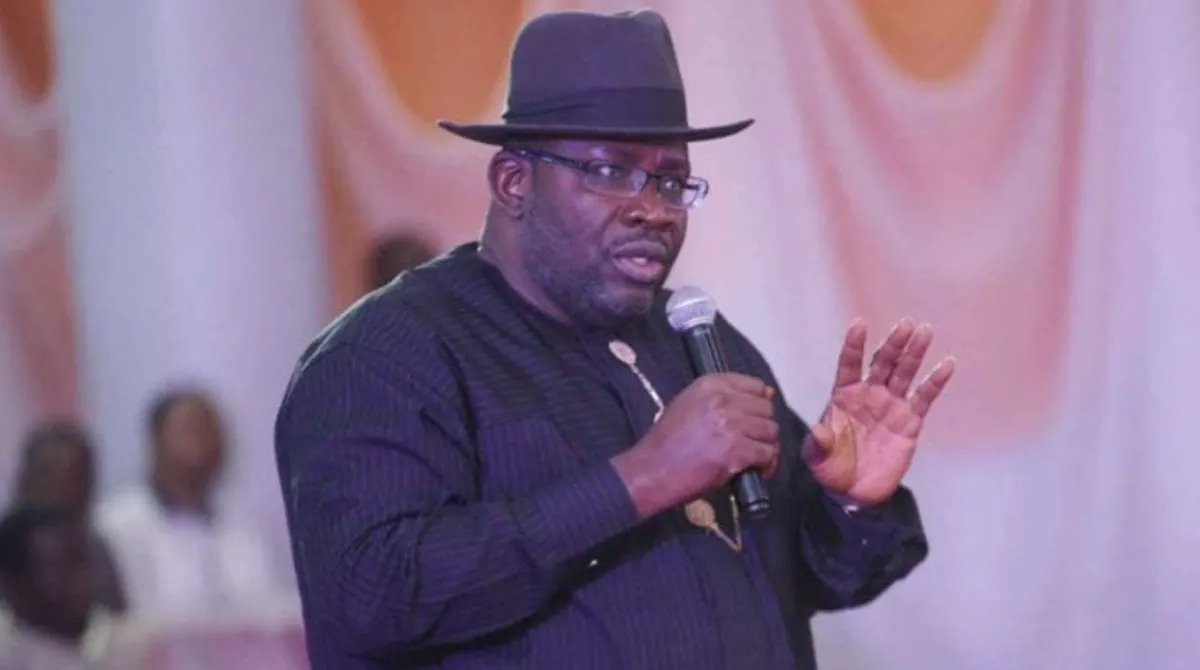
The Obi-Kwankwaso Movement, known as the OK Movement, has responded to criticism from Nigeria Democratic Congress (NDC) leader Seriake Dickson, who described the group's campaign team as "nonsensical". In a statement, OK Movement's Director-General, John Ughulu, rejected Dickson's comments and emphasized the movement's independence. The OK Movement was reacting to Dickson's remarks on the role of political support groups in the NDC's preparations for the 2027 general elections.
Dickson had argued that support groups should assist political parties rather than create structures that compete with the official machinery of the party. He criticized the OK Movement's decision to establish a 59-member Presidential Campaign Council, saying support groups should focus on mobilisation and support for candidates, not compete for supremacy. The former Bayelsa State governor emphasized that support groups provide grassroots support, not sponsor candidates.
Ughulu disagreed with Dickson's description of the OK Movement as an ordinary support group. He stated that the organisation was independently established and operated its own leadership and mobilisation structures. According to Ughulu, the movement brings together people from different political backgrounds united by their support for Peter Obi and Rabiu Kwankwaso, the NDC presidential candidate and running mate ahead of the 2027 election.
Ughulu clarified the OK Movement's identity, stating it was not a support group created as an appendage of any political party or another movement. The movement is independently organised, managed, and structured through its own established mechanisms. He stressed that the OK Movement would maintain its independent identity and not allow its structures to be absorbed into the NDC.
The OK Movement's response comes ahead of the 2027 general elections, where the group is expected to play a significant role in supporting Peter Obi and Rabiu Kwankwaso. The movement's Director-General emphasized that the group would not be swayed by criticism from other political parties or leaders. The OK Movement's stance has sparked a fresh debate on the role of support groups in Nigeria's electoral process.
Dickson's comments were made in the context of the NDC's preparations for the 2027 elections. The party is yet to react to the OK Movement's response. The development highlights the complexities of Nigeria's political landscape, where various groups and parties interact and influence each other. The OK Movement's independence and structure have become a point of contention.
The OK Movement's rebuttal has significant implications for the 2027 elections. The group's insistence on its independence and separate identity may shape the dynamics of the electoral process. As the elections approach, the OK Movement's role and influence will likely continue to be a subject of discussion and debate among politicians, analysts, and the general public.
Key points
- The OK Movement has rejected any attempt by the NDC to take control of its structures ahead of the 2027 general elections.
- The movement's Director-General, John Ughulu, responded to comments by NDC national leader Seriake Dickson on the role of political support groups.
- The OK Movement established a 59-member Presidential Campaign Council, which Dickson had criticised as "nonsensical".