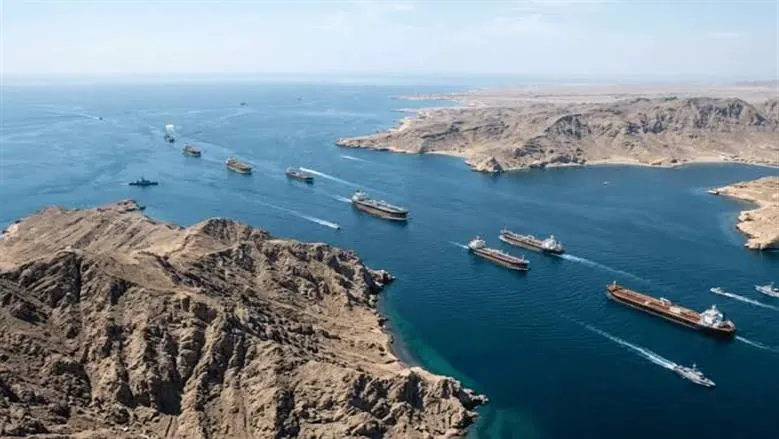
The number of attacks on oil tankers navigating through the Strait of Hormuz reached its highest level in a week since the start of the Iran-Iraq war, according to security sources monitoring the incidents. This uptick in attacks coincides with an increase in oil exports from Gulf producers. The attacks have been documented in an area critical for global oil supplies, raising concerns about maritime security.
According to a note from the Joint Maritime Information Centre (JMIC), led by the US Navy, there have been multiple incidents of attacks, attempted attacks, and harassment in the Strait of Hormuz. These incidents include drone flights, surveillance activities, and the use of VHF radios by the Iranian Revolutionary Guard Corps. These actions indicate Iran's intent to assert its presence along key shipping lanes and maintain pressure on transiting vessels.
In the week spanning from September 28 to October 5, at least 12 incidents were reported involving oil tankers, liquefied natural gas (LNG) carriers, and liquefied petroleum gas (LPG) tankers around the Strait of Hormuz. This information comes from data analyzed by three maritime security sources that have been tracking incidents based on reports from the region.
The increase in attacks has been attributed to Iran's efforts to enforce its presence in the strategic waterway. The Strait of Hormuz is a vital passage for oil exports from the Gulf region, with a significant portion of the world's oil supply passing through it. The recent surge in attacks has heightened concerns about the security of maritime traffic in the area.
The situation in the Strait of Hormuz has been closely monitored by international authorities and shipping companies. The attacks have prompted calls for increased security measures to protect vessels transiting the area. The Iranian Revolutionary Guard Corps' involvement in these incidents has further complicated the security landscape in the region.
The impact of these attacks on global oil markets has been significant, with concerns about supply disruptions and price volatility. The international community has been working to address the security challenges in the Strait of Hormuz, with a focus on ensuring the safe passage of vessels and maintaining stability in the region.
The Egyptian government, along with other regional and international stakeholders, is closely following the developments in the Strait of Hormuz. With its strategic interests in maintaining secure maritime routes, Egypt is likely to continue monitoring the situation and supporting efforts to enhance security and stability in the region.
Key points
- At least 12 attacks on oil tankers and gas carriers were reported in the Strait of Hormuz in one week.
- The attacks have been linked to Iran's efforts to assert its presence in the strategic waterway.
- The incidents have raised concerns about maritime security and the impact on global oil supplies.