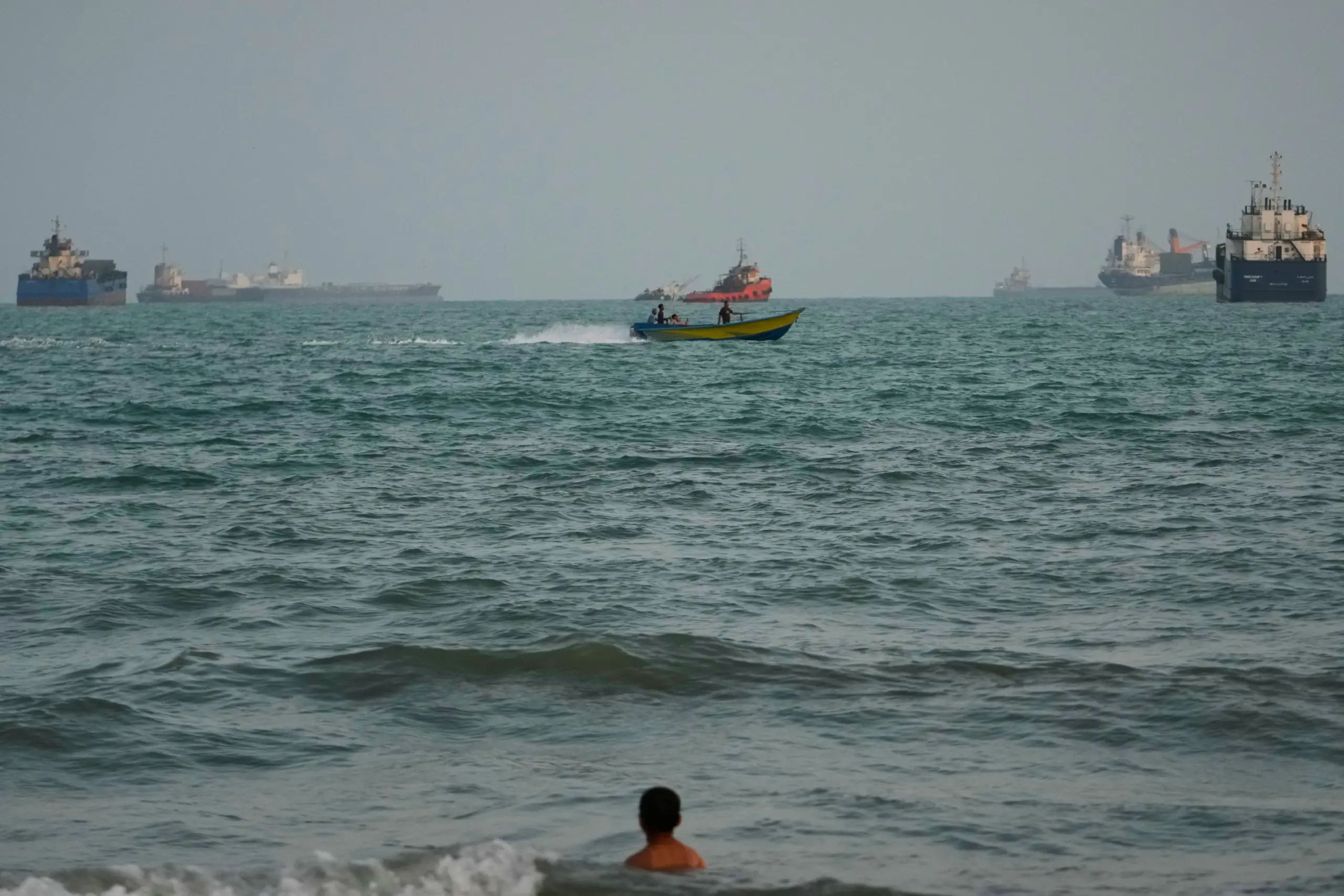
The global oil market is bracing for potential pressure as crude oil flows through the Strait of Hormuz continue to be disrupted. According to Saul Kavonic, a senior research analyst at MST Marquee, the current situation could lead to further strain on oil supplies and prices. Kavonic warned that the market is depleting its measures to prevent a sharp rise in crude prices. He noted that large releases from strategic oil reserves and low crude imports by China had helped mitigate the impact of supply disruptions so far.
The disruptions in the Strait of Hormuz have significantly impacted oil flows, with current volumes standing at about one third of their pre-war levels. Kavonic estimated that only 5-7 million barrels per day of crude oil are currently leaving the Persian Gulf. To compensate for the lost supply, some countries are relying on ship-to-ship transfers carried out outside the Strait of Hormuz. For instance, Saudi Arabia has increased its use of such transfers outside Oman and the United Arab Emirates to make up for crude shipments lost at the Red Sea port of Yanbu.
The situation is further complicated by falling strategic oil reserves in developed countries. Following record releases led by the International Energy Agency, the Strategic Petroleum Reserve in the United States has dropped to its lowest level since the early 1980s. Additionally, China had reduced its crude oil imports by 4-5 million barrels per day in May and June but has since started increasing its purchases again. This development reduces another source of relief for the global oil market.
According to Kavonic, the current market situation is unsustainable. He stated that the market is "living on an oil market credit card" and that it is not possible to continue drawing stocks indefinitely. The analyst emphasized that with the unresolved status of Hormuz and an unlikely diplomatic solution to the current stalemate, there is potential for the situation to worsen before it improves.
The ongoing disruptions in the Strait of Hormuz have significant implications for the global oil market. If tensions in the Middle East escalate further, the situation could become even more severe. Kavonic warned that the market is running out of options to mitigate the impact of supply disruptions. As a result, oil supplies and prices may come under further pressure if the disruptions persist.
The analyst also pointed to the potential consequences of an escalation in tensions in the Middle East. He noted that an unlikely diplomatic solution to the current stalemate means that there is room for things to get tighter and worse before they get better. The ongoing situation in the Strait of Hormuz remains a critical concern for the global oil market.
The global oil market is closely monitoring the developments in the Strait of Hormuz. With the current disruptions showing no signs of easing, market participants are bracing for potential impacts on oil supplies and prices. As the situation continues to unfold, it remains to be seen how the market will respond to any further developments.
Key points
- The global oil market faces pressure as crude oil flows through the Strait of Hormuz remain disrupted.
- Current oil flows through the Strait of Hormuz are about one third of their pre-war levels.
- The market is depleting its measures to prevent a sharp rise in crude prices.