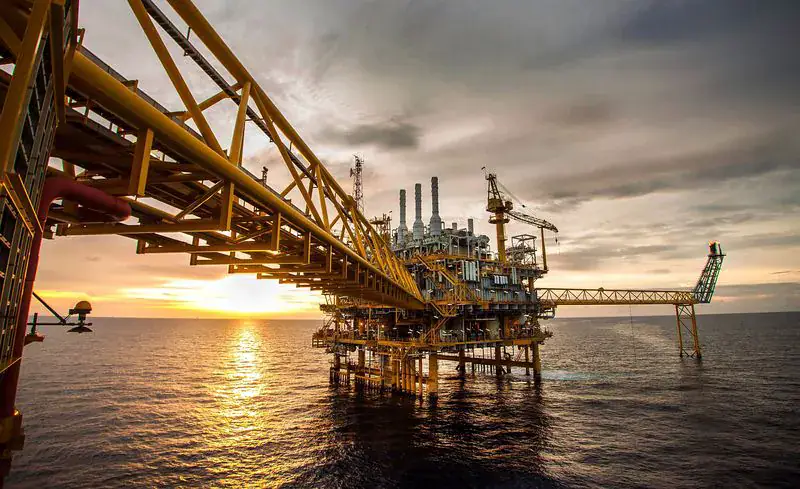
A recent oil spill model run for South Africa's West and South coasts has found that a major spill would reach the shoreline with high probability. The model simulated a 20-day blowout at a well site about 60km off Cape Point 200 times, each starting on a different date. In 75% of the runs, oil reached the shore above a set level of contamination. This rises to 98% for spills starting between April and September.
The model was developed by Dr Giles Fearon of the South African Environmental Observation Network and other ocean scientists. It uses a digital, three-dimensional representation of the ocean to track thousands of simulated oil particles as they move with currents and wind. The findings were presented at a WILDTRUST workshop in Cape Town, as companies line up to drill off the West Coast.
The implications of a major spill are severe, with nearly 1,000 ecological features, fisheries, tourism, and 136 rural coastal communities in four provinces at risk. Dr Stephen Holness of Nelson Mandela University mapped the potential impact of a spill, noting that sheltered bays and rocky crevices hold oil residues for decades longer than wave-beaten headlands.
Small-scale fishers, who work close to shore, are particularly vulnerable to the impacts of a spill. A spill could close fishing grounds or make fish unsafe to eat or sell for months, years, or decades. Unlike larger commercial fleets, small-scale fishers generally cannot simply move their operations to unaffected areas and have limited alternative sources of income.
The risk of a spill is not hypothetical, as evidenced by the 2024 oil spill off the West Coast near Doringbaai. The MV Ultra Galaxy, a cargo ship carrying fertiliser, ran aground and broke apart, releasing oil onto nearby beaches. Local communities were enlisted to help with the clean-up, highlighting the need for preparedness and effective response to spills.
Companies, including TotalEnergies and Shell, have been authorised to drill exploration wells off the West Coast, with environmental groups appealing these decisions. The Aukotowa co-operative, representing fishers in Port Nolloth, has challenged TotalEnergies' authorisation, citing concerns about the potential impacts of a spill.
The findings of the oil spill model highlight the need for caution and careful consideration as South Africa moves forward with offshore oil and gas exploration. As Dr Jean Harris of WILDTRUST noted, distance offshore does not, in itself, protect coastal areas, given the country's strong and complex currents.
Key points
- A new oil spill model suggests that a major spill off South Africa's West Coast would likely reach the shoreline, threatening marine ecosystems and coastal livelihoods.
- The model found that in 75% of simulated spills, oil reached the shore above a set level of contamination, rising to 98% for spills starting between April and September.
- Small-scale fishers and coastal communities are particularly vulnerable to the impacts of a spill, which could close fishing grounds or make fish unsafe to eat or sell for months, years, or decades.