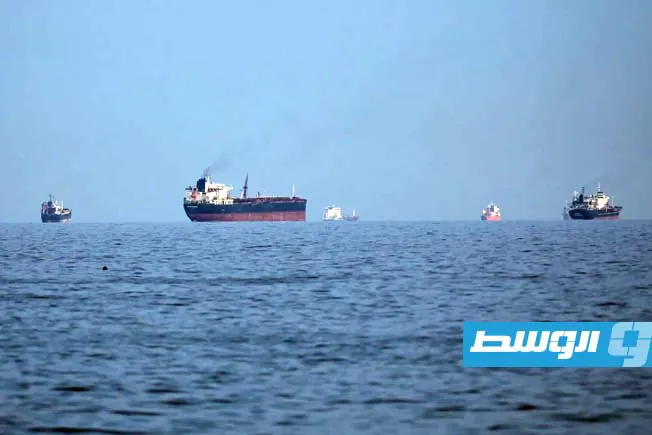
Oil prices increased significantly on Monday, with Brent crude rising 3.1% to $107.51 per barrel and West Texas Intermediate (WTI) crude gaining 2.1% to $94.32 per barrel. This surge was triggered by Trump's rejection of an Iranian peace proposal, which had been submitted through Qatari mediation. The proposal aimed to halt hostilities for seven days and reopen the strategic Strait of Hormuz.
The rejection of the Iranian proposal by Trump has heightened concerns over inflation and geopolitical tensions in the region. Analysts at ANZ Bank noted that the risks remain elevated due to ongoing attacks by Houthi rebels and Iran on Saudi Arabia, which could impact oil supplies in the region. The situation has been further complicated by the interception of ballistic missiles and drones launched by Houthi rebels towards Saudi Arabia.
The peace proposal had been revealed during the United Nations General Assembly in New York last week, where Iranian officials had engaged in diplomatic efforts to revive stalled negotiations with the US. However, Trump's rejection of the proposal has dashed hopes of an immediate de-escalation of tensions. According to Axios, Trump stated that he expects US negotiators to engage in further talks with Iran this week.
The ongoing tensions between the US and Iran have contributed to a rise in oil prices, with Brent crude previously surpassing $80 per barrel, as reported by Bloomberg. The situation has been closely monitored by market analysts, who are concerned about the potential impact on global oil supplies. The Strait of Hormuz, a critical waterway for oil exports, has been a focal point of tensions between the US and Iran.
The increase in oil prices has sparked concerns over inflation, which could have far-reaching implications for the global economy. As the situation continues to unfold, market analysts will be closely monitoring developments in the region to assess the potential impact on oil prices and global economic stability.
In related news, the Libyan oil sector has been facing its own set of challenges, with the National Oil Corporation (NOC) recently announcing the reopening of the Sharadra valve and the resumption of crude oil supplies to the Zawiya refinery. This development has helped to alleviate some of the pressure on Libya's oil production.
The global economic implications of the rising oil prices will be closely watched by policymakers and market analysts in the coming days. As the situation continues to evolve, it remains to be seen how the US and Iran will engage in future negotiations and what impact this will have on the global economy.
Key points
- Trump rejects Iranian peace proposal, leading to a surge in oil prices.
- Ongoing tensions between US and Iran contribute to rise in oil prices.
- Brent crude rises 3.1% to $107.51 per barrel following Trump's rejection of Iranian proposal.