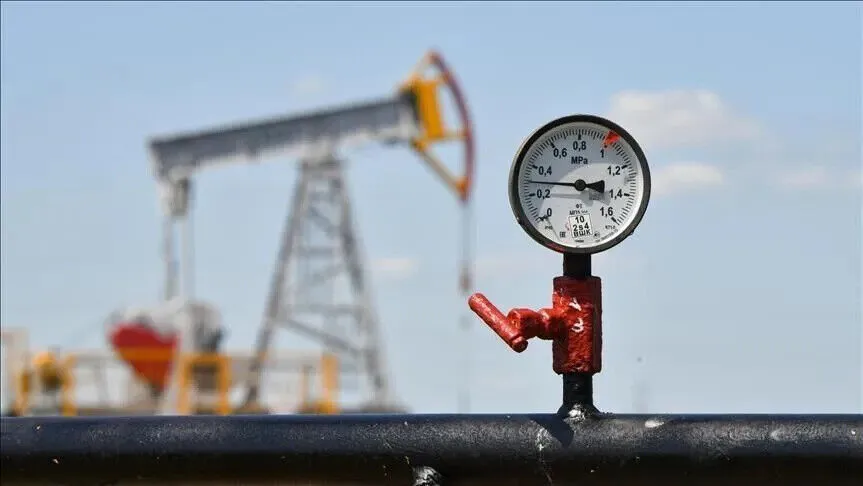
Oil prices experienced a significant surge on Thursday, with Brent crude rising 4.28 dollars to 102.31 dollars per barrel and US West Texas Intermediate crude increasing by 2.45 dollars to 92.87 dollars per barrel. This jump was triggered by reports that the US would send additional troops and a third aircraft carrier to the Middle East, amid rising tensions with Iran. The development has sparked concerns about a potential shortage of fuel globally.
According to a report by The Wall Street Journal, the US plans to deploy up to 10,000 troops to the Middle East, as President Donald Trump considers reimposing sanctions on Iran. Trump stated that he is weighing his options regarding Iran, saying, "They will either sign a very fair deal, or they won't be there." His comments, combined with China's decision to halt fuel exports, contributed to the fluctuation in oil prices.
China's decision to suspend fuel exports has raised concerns about the availability of petroleum products globally. The country's refiners have halted exports of fuel to regions outside of Hong Kong and Macau until further notice. This move has been seen as a reflection of China's concerns about domestic fuel availability, according to Giovanni Stonovo, an analyst at UBS.
The global diesel market is facing significant pressure due to supply constraints. Russia, a major exporter of diesel, has banned exports until October, and President Vladimir Putin has stated that Russia will not supply diesel to global energy markets until sanctions against Moscow are lifted. This has led to concerns that shortages may persist until next year.
The impact of China's fuel export halt is expected to be limited compared to the loss of refined petroleum product exports from Russia and the Middle East. However, it adds to the pressure on global fuel markets, which are already experiencing supply constraints. To alleviate these pressures, the European Union's energy task force is set to discuss a potential drawdown of diesel stockpiles.
The US administration has reportedly urged Germany and France to release diesel from their emergency stockpiles to help reduce global fuel prices. Failure to do so may result in a potential US ban on diesel exports. Meanwhile, diplomatic efforts to end the conflict in Iran remain limited, and attacks continue. Three oil tankers were reportedly hit by unknown projectiles while passing through the Strait of Hormuz on Tuesday.
Despite ongoing tensions, Saudi Arabia has resumed loading oil onto tankers from Yanbu, and exports from the Gulf region have recovered to 23.3 million barrels per day. However, concerns about the global fuel market persist, and the situation remains volatile. The developments have sparked concerns about a potential shortage of fuel globally, and market participants are closely monitoring the situation.
Key points
- Oil prices surged 4% due to reports of China's fuel export halt and US military deployment to the Middle East.
- The global diesel market is facing significant pressure due to supply constraints from Russia and the Middle East.
- Diplomatic efforts to end the conflict in Iran remain limited, and attacks continue to impact the global fuel market.