Oil prices have risen as markets assess the potential impact of an approaching Gulf storm and ongoing supply tensions in the Middle East. According to reports, Brent futures increased by 93 cents, or 0.92%, to $101.51 a barrel, while US West Texas Intermediate (WTI) crude rose by 82 cents, or 0.92%, to $90.25. These price increases reflect concerns over potential supply disruptions.
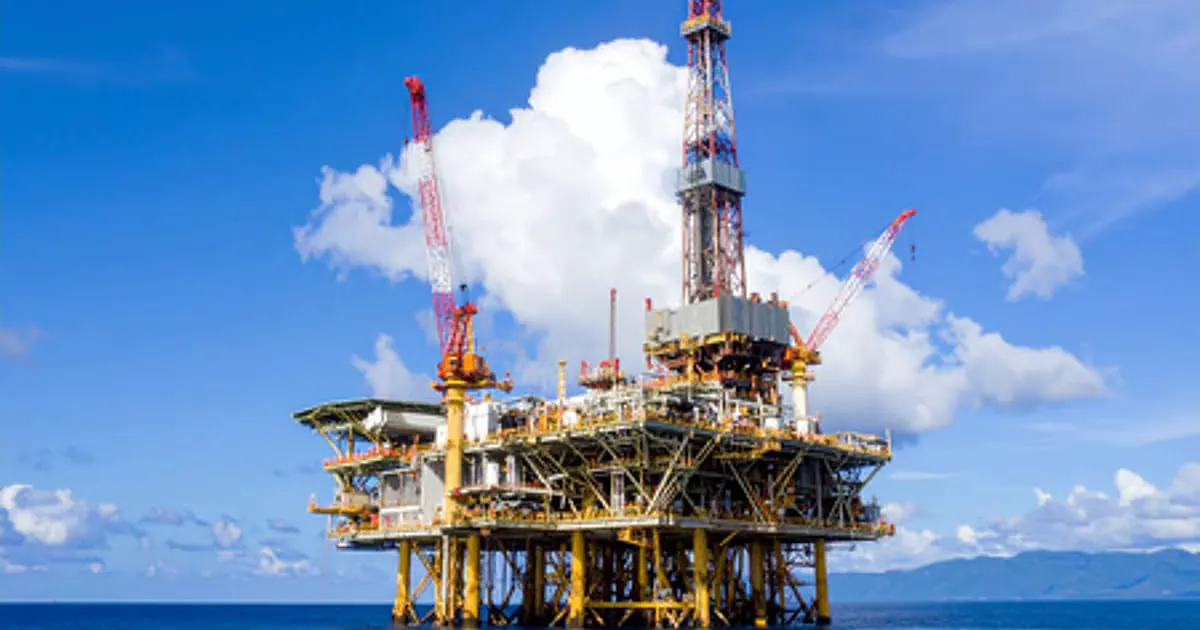
A storm forming in the Gulf of Mexico is expected to become the first Atlantic hurricane of 2026 within two days, posing a threat to oil and gas producing facilities. The affected offshore areas produce 15% of US crude oil and 5% of the country's natural gas. This development has raised concerns about potential production and refining disruptions, according to KCM Trade chief analyst Tim Waterer.
The storm's impact could be significant, with six refineries potentially affected. Refineries in US Gulf states account for about 50% of the national capacity of 18.2 million barrels per day (bpd). The potential disruptions come at a time when the market is already experiencing supply-side challenges.
Market sources reported that US crude oil and gasoline inventories fell, while distillate stocks rose marginally last week. Crude stocks fell by 2.09 million barrels in the week ended October 2. Meanwhile, supply had been rising, with the East-West pipeline reaching 5.8 million barrels a day, according to Saudi Energy Minister Prince Abdulaziz bin Salman.
Despite rising supplies, tensions in the Middle East remain a concern. Around 12 million barrels per day of crude oil and 2 million bpd of refined products were leaving the Middle East on tankers in the last 7 to 10 days, according to the head of Vitol. However, Saudi Arabia's airports in Jazan and Najran were targeted in two attacks on Monday evening, escalating hostilities between the kingdom and Yemen's Iran-backed Houthis.
The attacks occurred as Saudi-backed Yemeni government forces pressed a major offensive to retake territory from the Houthis. Riyadh has stepped up airstrikes in support of the campaign. Analysts believe that attacks and refinery outages are likely to keep prices elevated, with scarcity transmitting to crude.
The ongoing tensions have also affected US-Iran relations, with US President Donald Trump stating that it is unclear who is running Iran. Iran's foreign ministry spokesman responded, stating that Washington knows very well who their counterpart is in Iran and how the decision-making system works.
Key points
- Oil prices rose due to potential production disruptions from a Gulf storm and Middle East supply tensions.
- A Gulf storm is expected to impact oil production, with 15% of US crude oil and 5% of natural gas production at risk.
- Ongoing Middle East tensions and attacks on Saudi Arabia's airports have contributed to elevated oil prices.