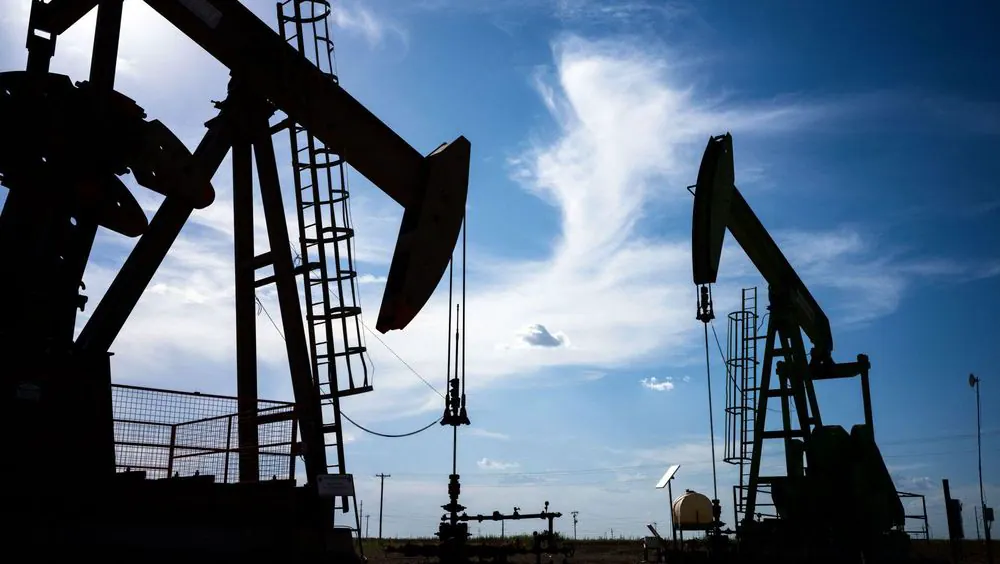
Oil prices retreated from recent highs on Tuesday as investors weighed the prospects of increased tanker traffic through the Strait of Hormuz. Hopes for easing Middle East tensions were dashed at the weekend when US President Donald Trump rejected Iran's offer for a seven-day truce, sending oil prices sharply higher on Monday. However, prices reversed course after Trump said he expects talks with Iran to continue.
Brent crude oil was trading around $103 per barrel in early afternoon trade on Tuesday, down 2.2%, while West Texas Intermediate was down 2.5% at $90.33 per barrel. Trade Nation analyst David Morrison said traders are keeping a close eye on any indication that the US and Iran are making progress in their talks. Briefing.com analyst Patrick O'Hare noted that oil prices were also reacting favourably to a report that oil exports out of the Middle East hit a post-war high.
Despite the retreat in oil prices, South Africans are likely to face steep fuel price hikes in October. According to reports, petrol and diesel prices could smash records with hikes above R3. The situation is being closely watched by the South African government, as the country is heavily reliant on imported fuel. The fuel price shock is expected to worsen, with Brent crude hovering above the $100 per barrel mark.
The US-Iran conflict is having a significant impact on global markets, with officials in Tehran expressing pessimism about making a deal to reopen the Strait of Hormuz before US midterm elections in five weeks. The waterway is crucial to the world's oil and gas deliveries, and its closure could have severe consequences for the global economy. The situation is also affecting global inflation, pushing the US Federal Reserve and European Central Bank to raise interest rates.
The US Federal Reserve and European Central Bank's decision to raise interest rates is having a ripple effect on global markets. Australia's central bank raised its key interest rate to a 15-year high of 4.6% on Tuesday in a bid to tackle the fallout from elevated oil prices. The bank also noted that the rise of artificial intelligence was driving up technology costs.
In other news, shares in fast-fashion giant Shein plunged almost 14% at one point in Hong Kong after it released disappointing earnings. The firm's share price has now fallen more than 35% since its first day of trading following a high-profile $1.7 billion initial public offering. Meanwhile, OpenAI said it would not release its newest artificial intelligence model, known as Astra 6.1, after internal testing revealed it did not meet safety standards.
Global markets were mixed on Tuesday, with European markets trading without direction and US stocks moving little at the opening bell. The Dow Jones was down 0.1% at 51,421.33 points, while the S&P 500 was up 0.1% at 7,692.90. The situation in the Middle East and the impact of oil prices on global markets will continue to be closely watched by investors in the coming days.
Key points
- Oil prices retreat as US-Iran hopes rise
- South Africans face steep fuel price hikes in October
- Global markets mixed as US-Iran conflict and oil prices weigh on investors