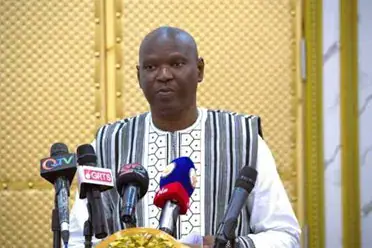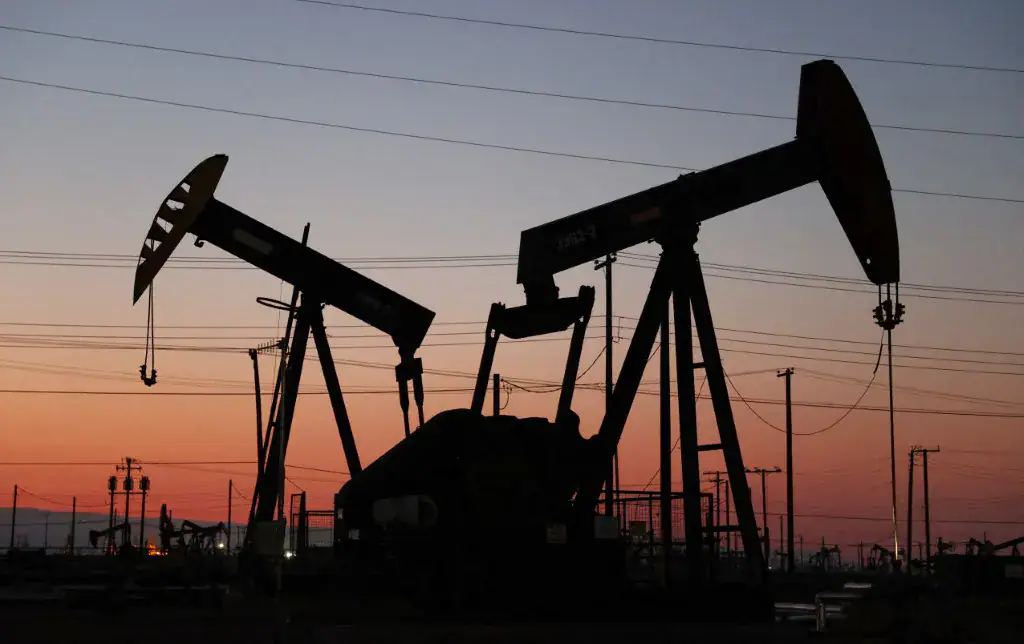
Oil prices fell by nearly 6% on Monday, following talks between Iranian and Qatari officials that raised hopes of reduced tensions in the Middle East. Iranian President Masoud Pezeshkian stated that the country's supreme leader had granted the government specific powers to engage in peace talks. This development led to a decline in global oil prices, with Brent crude futures dropping 6.78 dollars to 106.65 dollars per barrel.
According to sources, Iranian negotiators held discussions with Qatari mediators over several days to end the US-Israeli war on Iran. A draft proposal is being circulated, with a follow-up meeting possible. The negotiations aim to ease tensions and potentially reduce disruptions to oil supplies in the region. As a result, West Texas Intermediate crude fell 6.37 dollars to 97.75 dollars per barrel.
Analysts noted that Brent crude and US crude prices hit lows of 105.86 dollars and 97.12 dollars, respectively, after Pezeshkian's statement. The Iranian president emphasized that Tehran would attempt to resolve the issue through dialogue, although details were not provided. This raised expectations of diplomatic progress and contributed to the decline in oil prices.
Iranian Foreign Minister Abbas Araghchi stated that the ongoing talks aim to continue consultations with Qatari mediators, adding that Tehran is prepared for both defense and diplomacy. These discussions follow recent increased attacks on oil tankers passing through the Strait of Hormuz, despite indications of rising shipments from major exporters.
Some analysts believe that oil prices may still rise. Goldman Sachs revised its price forecasts, citing increased supply risks, and predicted that Brent crude could reach 140 dollars in 2027 if Gulf oil production remains 3.5 million barrels per day lower than its 2025 average. The bank attributed potential price increases to ongoing attacks on ships, damaged oil infrastructure, and elevated risk premiums.
The global energy landscape remains uncertain, with concerns about supply disruptions and potential price hikes. According to ADNOC CEO Sultan Al Jaber, the world is depleting its energy reserves, with around 1 billion barrels of oil withdrawn from global stockpiles since the US-Israeli war on Iran disrupted shipping through the Strait of Hormuz.
The International Maritime Organization recently warned that shipping routes in the Strait of Hormuz remain unsafe. Meanwhile, Lebanon faced power outages at public institutions due to unpaid bills, and French authorities were criticized for their handling of migrant issues. As global events continue to unfold, their impact on oil prices and the broader economy remains to be seen.
Key points
- Oil prices dropped 6% following Iran's suggestion of peace talks.
- Iranian President Masoud Pezeshkian stated that the country's supreme leader granted the government powers to engage in peace talks.
- Analysts predict potential for further oil price increases due to supply risks and elevated risk premiums.