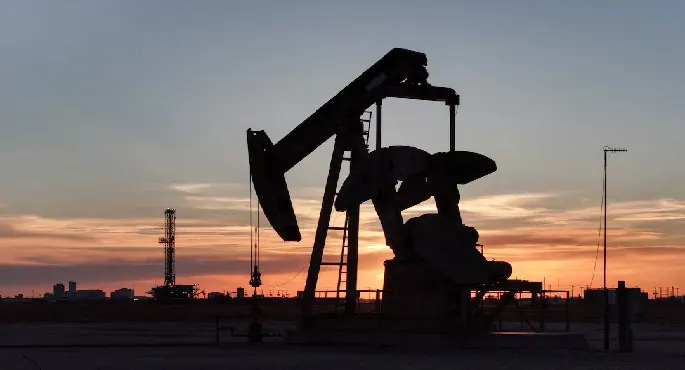
Oil prices rose sharply on Monday, with Brent crude increasing by 3.43 dollars or 3.29% to 107.75 dollars per barrel at 05:40 GMT. The surge came after Trump rejected an Iranian peace proposal, maintaining tensions in the Middle East at elevated levels. West Texas Intermediate US crude also saw gains, rising by 2.14 dollars or 2.32% to 94.55 dollars per barrel.
Iran had presented its peace proposal during the United Nations General Assembly in New York last week, which was conveyed to the Americans through Qatari mediators. However, Trump revealed on Saturday that he had rejected the plan. In a phone interview with Axios on Sunday, he mentioned that US negotiators were expected to engage in further discussions this week.
The rejection of the peace proposal led to a decline in hopes for an immediate breakthrough, despite ongoing diplomatic efforts. Sugandha Sachdeva, founder of SS Wealth Street Research in New Delhi, noted that the 120-dollar-per-barrel mark remained a key resistance level for Brent crude. She added that unless prices could stabilize above this level, a decline was possible, especially if shipping activity improved or talks made progress.
Meanwhile, the Saudi-led coalition in Yemen reported intercepting two ballistic missiles and two drones launched by Houthi rebels, who are supported by Iran, towards the kingdom on Saturday. This development occurred amid concerns that the US might ban diesel exports in an attempt to curb record-high prices, potentially leading to reduced production at American refineries.
Analysts at ANZ Bank noted that refined petroleum products remained a pressure point, with rising US diesel prices increasing inflation risks and sparking discussions about potential export restrictions. They warned that any such restrictions would tighten supplies outside the US, with European prices reacting to the prospect of reduced American exports.
In other news, crude exports from major Middle Eastern producers reached 12.8 million barrels per day in September, the highest level since the start of the war in February, according to preliminary data from Kpler. This increase was driven by higher shipments from Saudi Arabia and the United Arab Emirates.
The rise in exports came after a recovery in shipments through the Strait of Hormuz, which were on track to reach around 7.4 million barrels per day this month. This followed Saudi Arabia's decision to redirect its exports from the Red Sea port of Yanbu to the Eastern port of Ras Tanura, following attacks that damaged the East-West Pipeline.
Key points
- Trump rejects Iranian peace proposal, maintaining tensions in the Middle East.
- Oil prices surge over 3% following Trump's rejection of the peace proposal.
- Crude exports from major Middle Eastern producers reach 12.8 million barrels per day in September.