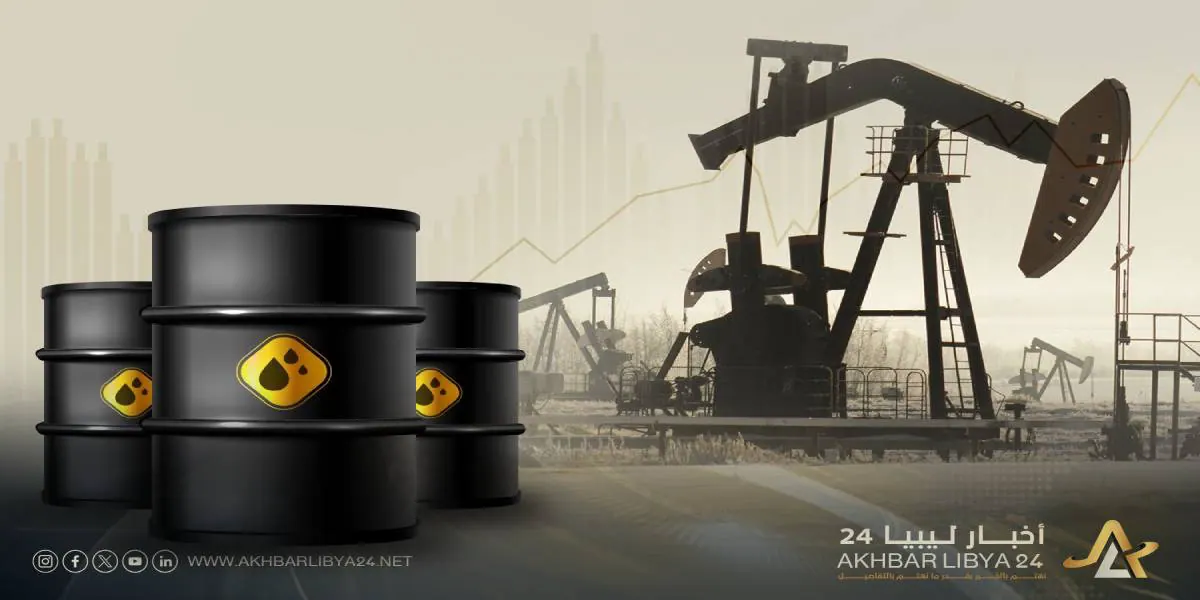
Oil prices fell on Friday after a sharp rise in the previous session, as markets refocused on signs of recovering supplies from the Middle East. The possibility of renewed tensions between the US and Iran provided some support for prices. By 0635 GMT, Brent crude had dropped 70 cents, or 0.7%, to $101.61 per barrel, after a slight early increase. US West Texas Intermediate crude also declined 85 cents, or 0.9%, to $92.02 per barrel.
Both benchmark crudes are headed for weekly losses. Tim Warrrer, a senior analyst at KCM Trade, stated that the market is evaluating mixed signals this week, with traders taking a brief pause after the previous session's fluctuations. On Thursday, oil prices rose after reports that Chinese refineries had suspended October exports of petroleum products to maintain domestic stockpiles.
The US is sending a third aircraft carrier and up to 10,000 additional troops to the Middle East, according to the Wall Street Journal. This move comes as President Donald Trump considers reinstating strikes on Iran after the US midterm elections. The development has contributed to concerns about the region's impact on global oil supplies.
The most pressing concern is the availability of crude oil and refined products from the Middle East and their flow to the rest of the world, said Priyanka Sachdeva, head of market analysis at Phillip Nova. The $100 per barrel mark has become a psychological barrier and a gauge for investor positioning, with growing fears of prolonged supply chain risks.
In a related development, the Trump administration has informed Germany and France that they should draw from their emergency diesel stockpiles to help alleviate high global fuel prices. Failure to do so may result in a potential US ban on diesel exports. The US has reportedly asked the European Union to release 120 million barrels of diesel over the next six months.
The European Union currently holds around 109 million tons of crude oil and fuel in emergency stockpiles. The request from the US aims to address concerns about the global diesel supply and its impact on fuel prices. This development has added to the complex dynamics influencing oil prices.
As the situation in the Middle East continues to evolve, oil markets remain cautious about potential disruptions to supplies. The interaction between US-Iran tensions, global demand, and supply chain logistics will likely continue to affect oil prices in the near term.
Key points
- Oil prices decline after a sharp rise amid concerns about recovering Middle East supplies and US-Iran tensions.
- The US is sending additional troops and an aircraft carrier to the Middle East, contributing to regional tensions.
- The Trump administration has asked Germany and France to draw from emergency diesel stockpiles to alleviate high global fuel prices.