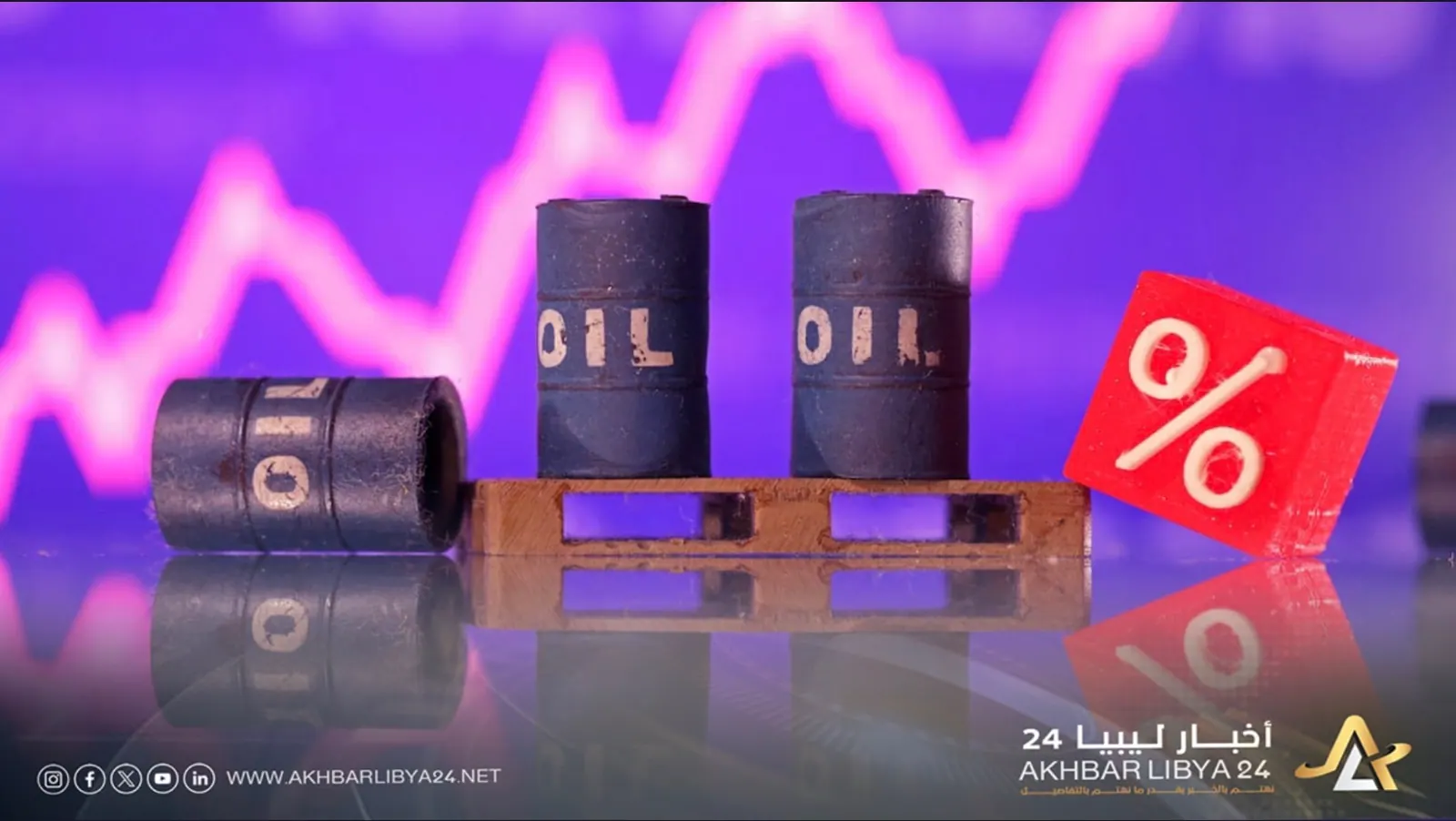
On Monday, oil prices experienced a decline in early trading, influenced by an increase in crude exports from the Middle East and the release of oil reserves by G7 countries. This development somewhat alleviates concerns over potential damage to the Gulf region's oil infrastructure amid ongoing geopolitical tensions. As of 02:40 GMT, Brent crude futures had decreased by 66 cents, or 0.65%, to $101.59 per barrel. Meanwhile, West Texas Intermediate (WTI) crude fell by 95 cents, or 1.03%, to $90.12 per barrel.
The decline in oil prices follows a decision by G7 countries on Friday to release 100 million barrels of diesel and crude from emergency reserves. This move aimed to mitigate fears about global market supplies, with the countries also pledging not to impose restrictions on energy exports. Data on shipping indicated that crude exports from the Middle East have surpassed pre-war levels on four out of seven days in the last week of September. This resurgence occurs despite attacks on vessels traversing the Strait of Hormuz.
Analysts suggest that the G7's decision to tap strategic reserves has eased immediate pressure on oil markets. This easing is concurrent with signs that Saudi exports are nearing pre-war levels, despite increased transportation costs and reduced efficiency in some shipping routes. However, geopolitical risks persist, with ongoing attacks on commercial vessels in the Gulf and the potential for further damage to energy facilities.
In a related development, the Houthi group announced the launch of missiles and drones toward sites belonging to Saudi Aramco. However, there was no official Saudi confirmation of these attacks. The internationally recognized Yemeni government has initiated a military campaign to reclaim areas under Houthi control. In a separate move, Aramco unexpectedly reduced the prices of its November crude shipments to Asia to their lowest in six years.
This price reduction comes as Brent crude remains above the $100 per barrel mark, fueled by geopolitical tensions. The Organization of the Petroleum Exporting Countries and its allies (OPEC+) has postponed a review of oil production quotas for 2027. The delay follows the impact of the conflict with Iran on energy expansion projects in the Middle East, adding uncertainty about future production levels.
In Europe, Ukrainian President Volodymyr Zelenskyy stated that his country will intensify attacks on Russian oil refineries. This development introduces another factor influencing global energy markets. The ongoing dynamics in the Middle East and Europe continue to affect oil prices and market stability.
As the situation unfolds, market participants are closely monitoring developments that could impact oil supplies and prices. The balance between increased exports from the Middle East, the release of emergency reserves, and ongoing geopolitical tensions will be crucial in determining future market trends.
Key points
- Oil prices declined due to increased Middle East exports and G7 emergency reserve releases.
- Geopolitical tensions in the Gulf region and Europe continue to influence oil markets.
- OPEC+ postponed a review of 2027 oil production quotas amid Middle East uncertainties.