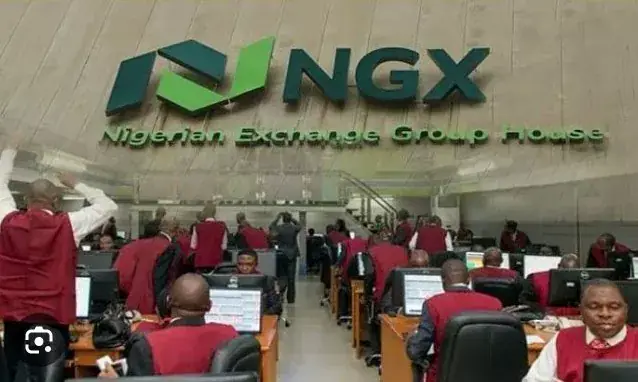
The Nigerian stock market has recorded significant gains in the first 10 months of 2026, with the market capitalization surging by N65.74 trillion or 66.15 per cent to close at N165.114 trillion. The All-Share Index also rose by 63.42 per cent to 254,299.49 basis points from 155,613.03 basis points. This growth is attributed to various factors, including macroeconomic improvements and sectoral reforms.
The NGX Oil/Gas Index has emerged as the major driver of the market's gains, with a 127.9 per cent Year-to-Date return. The index closed at 6,085.42 basis points as of October 30, outperforming other sectoral indices. The NGX Industrial Index advanced by 114.9 per cent, while the NGX Banking Index and NGX Consumer Goods Index rose by 60.27 per cent and 0.97 per cent, respectively.
Analysts attribute the oil and gas sector's outperformance to stability in the foreign exchange market, improved investor confidence in energy sector reforms, and impressive corporate earnings. The sector's rally has also been supported by strong demand for highly capitalized energy stocks and increased foreign portfolio participation. Nigeria's return to FTSE Russell Frontier Market status on September 21, 2026, after a three-year absence, also contributed to the sector's growth.
The broader market rally in 2026 has been anchored by macroeconomic improvements, including easing inflation, a cut in Monetary Policy Rate by the Central Bank of Nigeria to 23 per cent from 26.5 per cent, and improved liquidity. The commencement of the N2.1 trillion Initial Public Offer of Dangote Refinery in September also supported the market's growth.
In October alone, the market gained N2.01 trillion, crossing the N165 trillion mark for the first time. In September, it gained N5.37 trillion or 3.4 per cent Month-on-Month to close at N163.104 trillion from N157.739 trillion in August. The market's growth in September was driven by FTSE Russell reclassification and renewed foreign inflows.
Experts believe that monetary policy remains a key driver of sectoral rotation. The current low-yield environment is shifting interest to other sectors, including oil and gas. According to Ms. Adejoke Ganiyu, managing director of AVA Securities Limited, the current environment signals stability, with a steadier foreign exchange market, moderating inflation, and a cumulative 350 basis point cut in the MPR to 23 per cent.
Looking ahead, experts expect the equities market to continue to benefit from lower NTB yields and the MPR cut, with capital rotating from fixed income into equities. The oil and gas, industrial, and consumer goods sectors are likely to lead the market's growth over the remaining two months of 2026.
Key points
- The Nigerian stock market has gained N65.74 trillion in 10 months, driven by the oil and gas sector's 127.9 per cent Year-to-Date return.
- The market's growth is attributed to macroeconomic improvements, sectoral reforms, and increased foreign portfolio participation.
- Experts expect the equities market to continue to grow, driven by lower NTB yields and the MPR cut.