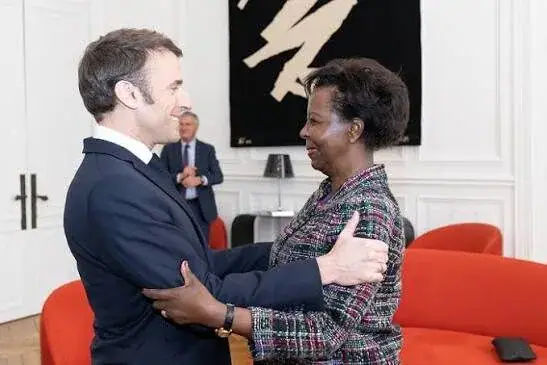
The French government has been actively seeking to influence the outcome of the Organisation internationale de la Francophonie (OIF) leadership battle. According to sources, French President Emmanuel Macron personally wrote to Rwandan President Paul Kagame on November 12-13, urging him to withdraw the candidacy of Louise Mushikiwabo, the current secretary-general. Macron's goal is to facilitate a consensus around Dacian Cioloș, the former Romanian prime minister.
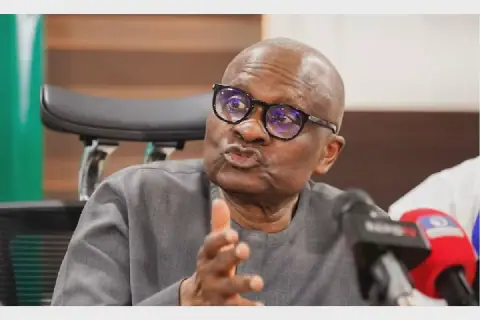
Kigali has maintained its support for Mushikiwabo's candidacy, citing the OIF's voting procedures in case of failed negotiations. Rwandan Foreign Minister Olivier Nduhungirehe stated that the organization's texts provide for a simple majority vote by members present and voting if negotiations fail. Mushikiwabo herself also supports the possibility of a vote, saying it remains an option if parties cannot reach an agreement. This stance is seen as a challenge to Macron's efforts to secure Cioloș's appointment.
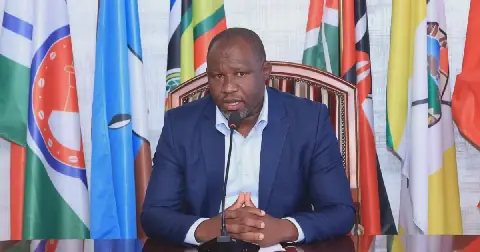
The Democratic Republic of Congo (DRC) has expressed openness to a compromise solution. In a statement on Saturday, the Congolese government said it would consider withdrawing Juliana Amato Lumumba's candidacy to support a common approach around Cioloș. However, Kinshasa conditions its flexibility on similar attitudes from other candidates and their supporting countries. The DRC's statement does not constitute an official withdrawal of Lumumba's candidacy but rather an expression of willingness to explore a negotiated solution.
The OIF leadership battle has significant implications for diplomatic balances within the Francophonie. The organization's member states will decide on the next secretary-general in a closed-door meeting on November 16 in Phnom Penh, Cambodia. Four candidacies are in contention: Mushikiwabo for Rwanda, Lumumba for the DRC, Coumba Bâ for Mauritania, and Cioloș, who has emerged as a compromise option.
The French government is seeking to prevent a vote that could further strain the organization's unity. Paris is also keen to avoid a diplomatic crisis with Kinshasa, which might consider quitting the Francophone process if Mushikiwabo's candidacy is reendorsed. The Congolese government's statement reflects a degree of flexibility, but it remains to be seen whether other parties will follow suit.
The outcome of the OIF leadership battle will depend on the positions of its member states. The organization's voting procedures and the candidates' levels of support will play a crucial role in determining the next secretary-general. As the decision approaches, diplomatic efforts are intensifying to secure a consensus or a majority vote.
The OIF's leadership transition has sparked a significant diplomatic effort. With multiple candidacies and competing interests, the organization's member states face a challenging decision. The outcome will not only determine the next secretary-general but also reflect the balance of power within the Francophonie.
Key points
- French President Emmanuel Macron urged Rwandan President Paul Kagame to withdraw Louise Mushikiwabo's candidacy for OIF secretary-general.
- The Democratic Republic of Congo expressed openness to a compromise solution, potentially withdrawing Juliana Amato Lumumba's candidacy.
- The OIF leadership battle will conclude on November 16 in Phnom Penh, Cambodia, where member states will decide on the next secretary-general.