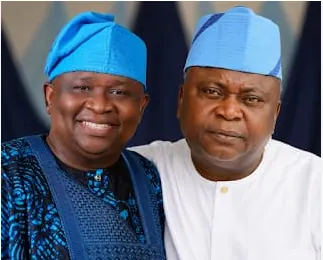
The 2027 Ogun State governorship election is shaping up to be a crucial contest, with 13 candidates vying for the top seat. However, the campaign has taken an interesting turn, with a focus on the family trees of the candidates. This development has been described as unedifying, as it detracts from the more pressing issues that should define the election. The main contenders, Oladipupo Adebutu of the People's Democratic Party and Senator Solomon Olamilekan Adeola, popularly known as Yayi, are expected to engage in a serious debate about their qualifications and visions for the state.
The debate over the candidates' ancestry has raised questions about the relevance of origin in the election. Section 177 of the 1999 Constitution requires a candidate for governor to be an indigene of the state. However, this matter should be approached with the seriousness of law and evidence, rather than speculation and rumor. If the opposition believes Yayi is not an indigene of Ogun, they should produce concrete evidence to support their claim. The focus on ancestry has led to questions about the candidates' backgrounds, with some seeking to know where Adebutu's father and mother are from.
The emphasis on ancestry has sparked concerns that the election is being reduced to a genealogical inquest. This development has been criticized, as it overshadows the more fundamental questions that should guide the election. The questions that should define the 2027 election include: What have the candidates done with the opportunities they have had? What do they understand about Ogun's problems? What are their programs for the state? Who has demonstrated the capacity to translate political ambition into public value? These questions are crucial in determining the best candidate for the job.
Ogun's political history provides valuable lessons on the importance of looking beyond ancestry. Chief Olusegun Osoba, a former governor, was once derided as an "Osogbo man," but he went on to become one of the state's most consequential political figures. Similarly, Otunba Gbenga Daniel and Senator Ibikunle Amosun, who were also questioned about their origins, left lasting impacts on the state's political landscape. These examples demonstrate that ancestry is not a reliable indicator of a candidate's competence.
Yayi, in particular, has been urged to welcome scrutiny of his public service record. His strongest case for governing Ogun should be based on his legislative career, constituency interventions, education initiatives, healthcare interventions, empowerment programs, and infrastructure-related projects. These achievements should be placed before the electorate and examined dispassionately. If his record is inadequate, his opponents should say so. If it is substantial, they should challenge it with a better record.
Adebutu, who has legislative experience, also has a record to defend. He served in the National Assembly in the present republic and was among the young legislators of the aborted Third Republic. This experience gives him an advantage, but he must demonstrate that his legislative interventions were more consequential than Yayi's. The opposition has a better weapon available to it than ancestry: performance. By focusing on the candidates' records, voters can make informed decisions about who is best equipped to lead the state.
As the election approaches, voters in Ogun State will have to weigh the candidates' qualifications and visions for the state. While ancestry may be a factor, it should not overshadow the more important issues. Ultimately, the decision on who will govern Ogun State will depend on the candidates' ability to demonstrate their competence and capacity to lead. The electorate should look beyond the noise and focus on the substance of the candidates' records and programs.
Key points
- The Ogun State governorship election is heating up, with candidates Oladipupo Adebutu and Solomon Olamilekan Adeola vying for the top seat.
- Ancestry should not be a substitute for competence in the election.
- The candidates' public service records and performance should be the focus of the election.