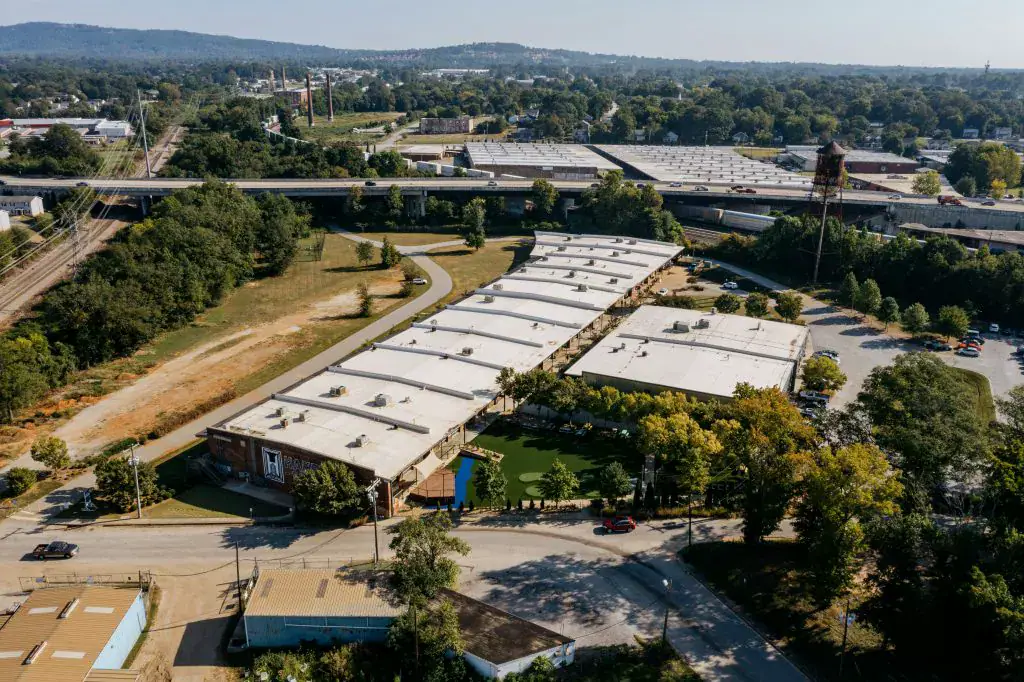
The Lee Group First Industrial Park is strategically located around Makun Bridge, near the Sagamu Interchange along the Lagos–Ibadan Expressway. Its proximity to the expressway provides manufacturers with a major road connection to Lagos and its ports. The concentration of factories within one industrial park could support shared infrastructure, warehousing, logistics, and essential services. The planned mix of industries, including food processing, footwear, and plastics recycling, could strengthen domestic production chains.
The industrial park's success depends on addressing manufacturers' requirements for dependable electricity, water, skilled labour, access to finance, competitive input costs, and predictable demand. The park's long-term contribution will rely on how effectively these requirements are addressed and how many facilities progress from construction to sustained production. The project is expected to generate approximately 15,000 direct and indirect jobs when fully operational.
On the logistics side, the Nigerian Ports Authority's (NPA) Managing Director Abubakar Dantsoho has outlined a US$1 billion port-modernisation programme to improve infrastructure, expand capacity, and strengthen operational efficiency across Nigeria's maritime sector. The programme covers investment opportunities in infrastructure rehabilitation, digital technology, multimodal logistics, and greener port operations.
The NPA has introduced Export Processing Terminals and dedicated cargo transit corridors to improve the movement of non-oil export goods. These arrangements could reduce procedural delays and make export operations more predictable, particularly for manufacturers and smaller businesses seeking access to international markets. Port efficiency is crucial for manufacturing competitiveness, as delays in cargo clearance can disrupt production schedules and make exporters less reliable to overseas buyers.
Nigeria's non-oil export performance has shown progress, with non-oil exports reaching ₦12.36 trillion in 2025, compared with ₦9.09 trillion in 2024. However, stronger manufacturing capacity is essential if Nigeria is to expand the range and value of products it exports. The connection between Ogun's industrial ambitions and Nigeria's port reforms is significant, as efficient export corridors must connect production centres to ports through predictable transport arrangements.
The Ètò Electronic Call-Up System has contributed to the organisation of truck movements around Lagos ports, processing over 3.5 million truck movements since its introduction in 2021. Average port access and cargo evacuation times have fallen to two days or less in controlled corridors. Sustained progress will require effective road infrastructure and cooperation among port authorities, terminal operators, transport agencies, and security services.
Key points
- The Lee Group industrial park and Nigeria's port-modernisation programme aim to strengthen the country's industrial capacity and export competitiveness.
- The industrial park's success depends on addressing manufacturers' requirements for dependable electricity, water, and skilled labour.
- Efficient export corridors must connect production centres to ports through predictable transport arrangements.
Reporting sources
- Ogun’s Industrial Park and Nigeria’s Port Modernisation: Strengthening Manufacturing and Export Competitiveness · African Leadership Magazine