The Ogun State Government has raised concerns about the impact of improper industrial waste disposal on flooding and greenhouse gas emissions. According to the government, Nigeria generates over 35 million tonnes of solid waste annually, with Ogun State accounting for more than one million tonnes. This significant share of waste comes from industries and contributes to environmental degradation.
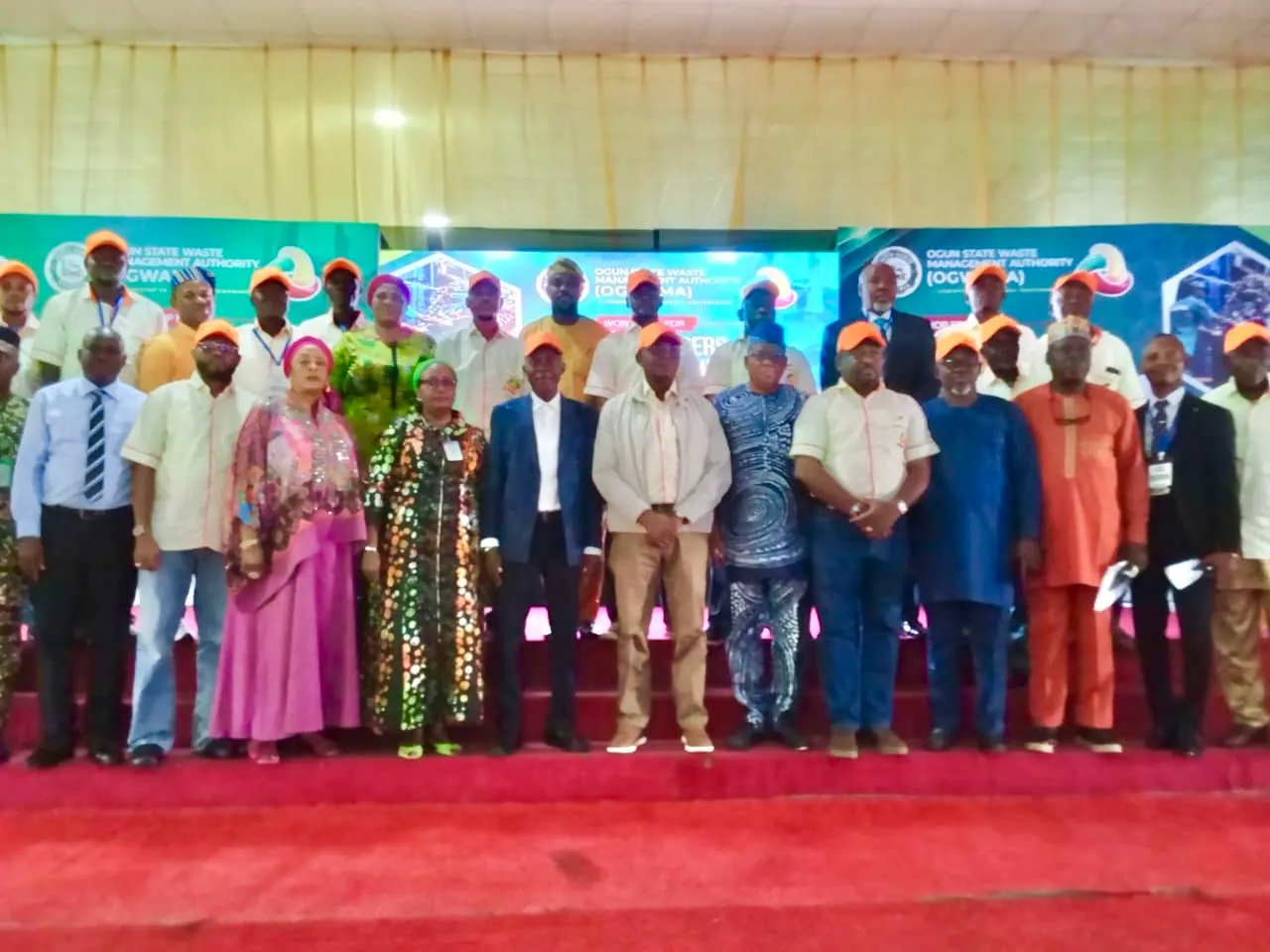
Governor Dapo Abiodun emphasized the need for industrial development to proceed hand in hand with environmental responsibility. He was represented by Commissioner for Environment, Dr Ola Oresanya, at the 3rd Annual Workshop on Industrial Waste Management organised by the Ogun State Waste Management Authority. The governor described the theme of the workshop, “Beyond Compliance: Embedding Circular Economy Principles and Innovation into Industrial Waste Management in Ogun State,” as apt and timely.
Oresanya stated that Ogun’s status as Nigeria’s foremost industrial hub carries enormous environmental responsibility that must not be ignored. He noted that improper waste disposal, open burning, and inefficient use of resources contribute to environmental degradation and greenhouse-gas emissions. Additionally, waste disposed of in drainage channels can aggravate flooding. The government warned that investment is welcome, but it must be within environmental laws that protect public health and communities.
The Ogun State Government is taking steps to address industrial waste management. Oresanya listed ongoing interventions, including the Blue Box Initiative launched in 2025 to promote household waste segregation. The government is also expanding recycling depots across the three senatorial districts and implementing the Plastic for Cash Programme targeting women, youth, and low-income households. Furthermore, the state has formalised e-waste recovery with collection hubs in Agbara, Sagamu, and Ota.
Ogun State has made significant progress in industrial recycling, with the largest concentration of industrial recycling facilities in Nigeria processing about 2,000 metric tonnes of plastic daily. The state was selected by the United Nations Industrial Development Organisation as a core state for the Off-Grid Renewable Energy Equipment waste circular economy project. This selection reinforces Ogun’s position as Nigeria’s recycling capital.
Industrial operators have been urged to properly store hazardous materials, maintain effluent treatment facilities, and engage only accredited waste operators. The Special Adviser and Managing Director of OGWAMA, Farouk Adeniyi Akintunde, warned that some industries still under-declare waste volumes, burn waste, and operate illegal dump sites. Akintunde stressed that violators will be sanctioned and urged industries to adopt waste audits, segregation at source, and industrial symbiosis.
The Ogun State Waste Management Authority has refurbished moribund compactors, acquired new ones, and cleared backlog owed PSP operators to strengthen industrial waste collection. The State Policy on Climate Change, currently undergoing stakeholders’ review, will provide a coordinated framework for low-carbon industrial development and circular economy. With these efforts, the government aims to mitigate the environmental risks associated with industrial waste disposal and promote sustainable development.
Key points
- Ogun State generates over one million tonnes of solid waste annually, mostly from industries.
- The state has the largest concentration of industrial recycling facilities in Nigeria, processing 2,000 metric tonnes of plastic daily.
- The government is implementing the Blue Box Initiative and Plastic for Cash Programme to promote waste segregation and recycling.