A study conducted in Bobo-Dioulasso, Burkina Faso, has shed light on the epidemiological and pathological profile of oesophageal lesions in the region. The research, which took place from January 2020 to December 2024, involved collecting data from the Department of Anatomical and Cytological Pathology of Sourô SANOU University Hospital and two private laboratories. The study found that oesophageal lesions encompass both benign and malignant tumours arising from the oesophageal wall.
The study recorded a total of 96 cases of oesophageal lesions over the four-year period. The mean age of patients was 53.16 years, with a range of 25 to 86 years, and a male-to-female ratio of 1.28. Dysphagia, or difficulty swallowing, was the primary reason for consultation, accounting for 50.68% of cases, followed by gastrointestinal bleeding at 30.14%. These symptoms highlight the significant impact of oesophageal lesions on patients' quality of life.
The study also found that stenosing and ulcero-vegetating lesions were the most common types, accounting for 46.05% and 34.21% of cases, respectively. The lower third of the oesophagus was the primary site for these lesions, accounting for 56.58% of cases. This information can help healthcare professionals in the region better understand the nature and location of oesophageal lesions.
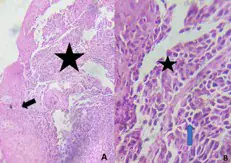
Histological examination of the lesions revealed that 22.92% were inflammatory, 25% were benign, and 52.08% were malignant. Squamous cell carcinoma was the most common type of malignant tumour, accounting for 84% of cases, and was predominantly moderately differentiated. This information has significant implications for the diagnosis and treatment of oesophageal cancer in the region.
The study's findings are consistent with global trends, which show that oesophageal cancer is a significant public health concern. According to the International Agency for Research on Cancer, oesophageal cancer ranks seventh among the most common cancers and sixth among cancer-related causes of death worldwide. In Burkina Faso, 319 new cases and 285 deaths were reported in 2022, underscoring the need for effective prevention and early detection strategies.
The study's authors emphasize the need for a functional cancer registry and prospective multidisciplinary studies to guide prevention and early detection strategies. This would enable healthcare professionals to track the incidence of oesophageal lesions and cancer, identify risk factors, and develop targeted interventions to reduce the burden of disease in the region.
The research highlights the importance of addressing oesophageal lesions and cancer in Bobo-Dioulasso and Burkina Faso more broadly. By understanding the epidemiological and pathological profile of these conditions, healthcare professionals can develop effective strategies for prevention, diagnosis, and treatment, ultimately improving patient outcomes and reducing the burden of disease in the region.
Key points
- Oesophageal lesions, including cancer, are common in Bobo-Dioulasso, Burkina Faso, with 96 cases recorded over four years.
- The study found that squamous cell carcinoma was the most common type of malignant tumour, accounting for 84% of cases.
- The authors emphasize the need for a functional cancer registry and prospective multidisciplinary studies to guide prevention and early detection strategies.