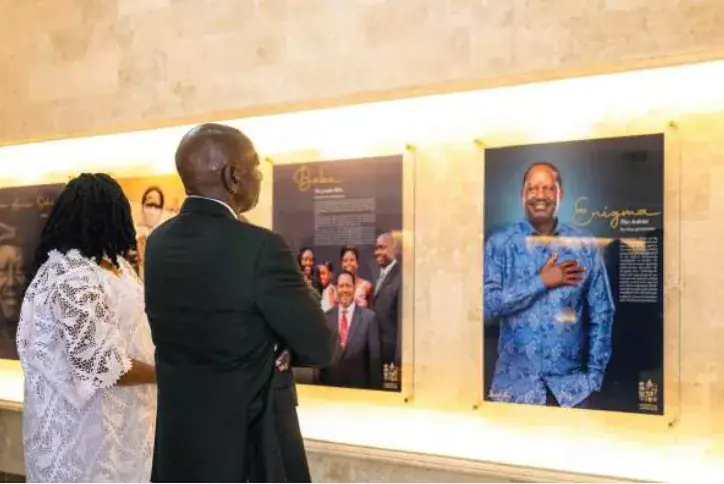
Kenya's healthcare landscape has been shaped by the late Raila Odinga's unwavering commitment to universal healthcare. For Odinga, it was a matter of justice, dignity, and the kind of country Kenya ought to become. He believed that illness should never lead to poverty, and that every citizen deserves access to healthcare, regardless of their financial situation. This conviction is at the heart of BabaCare, a vision for a Kenya where access to healthcare is determined by need, not by the size of one's wallet.
As the deputy leader of the Orange Democratic Movement (ODM), Governor Nassir of Mombasa, is determined to carry on Odinga's legacy. In Mombasa, the county has made significant strides in expanding its healthcare workforce, from 2,239 employees in 2022 to over 3,700 today. The county has also strengthened specialist services at the Coast General Teaching and Referral Hospital, expanded cancer care, and invested in new facilities and equipment. These efforts aim to make healthcare more accessible to the people of Mombasa.
During the recent Mwezi wa Baba celebrations, Mombasa county decided to offer free healthcare services in its facilities throughout October. The response was overwhelming, with a significant increase in patient numbers, including people traveling from outside Mombasa. This experience has highlighted the enormous unmet demand for healthcare in Kenya and the need to remove financial barriers to access. The county's efforts have produced valuable lessons that should inform the national conversation on healthcare reform.
One of the key lessons learned is that free care must be financed. Universal healthcare cannot rely on goodwill, slogans, or temporary waivers; it requires a sustainable financing mechanism. Mombasa has embraced the Social Health Authority (SHA), which has provided healthcare providers with approximately Sh7.8 billion in reimbursements, enabling them to provide services, purchase medicines, and sustain care. This experience underscores the importance of a stable financing system for universal healthcare.
Another crucial aspect of universal healthcare is capacity. During Mwezi wa Baba, the county had to respond rapidly to increased demand, engaging with K emsa on medicine availability, expanding partnerships for laboratory reagents, and working with the Digital Health Authority to secure additional registration equipment. The county has also embarked on short-term recruitment of an additional 447 healthcare workers. These efforts demonstrate that universal healthcare requires not only the removal of fees but also sufficient health workers, medicines, and functioning diagnostics.
Devolution remains central to Kenya's healthcare transformation, with healthcare being experienced locally in dispensaries, health centers, maternity wards, and county referral facilities. National policy and financing are essential, but citizens ultimately encounter the health system through county institutions. This requires a mature partnership between the national government and county governments, with a focus on putting the patient at the center of the healthcare system.
As ODM, we must carry on Odinga's legacy, not as nostalgia or a slogan, but as a serious policy commitment. No Kenyan should have to sell their assets or forego treatment due to financial constraints. The experience in Mombasa during Mwezi wa Baba has shown both the promise and the difficulty of achieving universal healthcare. With leadership that treats healthcare as a right rather than a favor, Kenya can build a functioning health system where every citizen can seek treatment without fear of financial ruin.
Key points
- Universal healthcare requires a sustainable financing mechanism and sufficient capacity, including health workers, medicines, and functioning diagnostics.
- Devolution is crucial to Kenya's healthcare transformation, with a mature partnership between national and county governments essential.
- Leadership that treats healthcare as a right rather than a favor is necessary to achieve universal healthcare in Kenya.