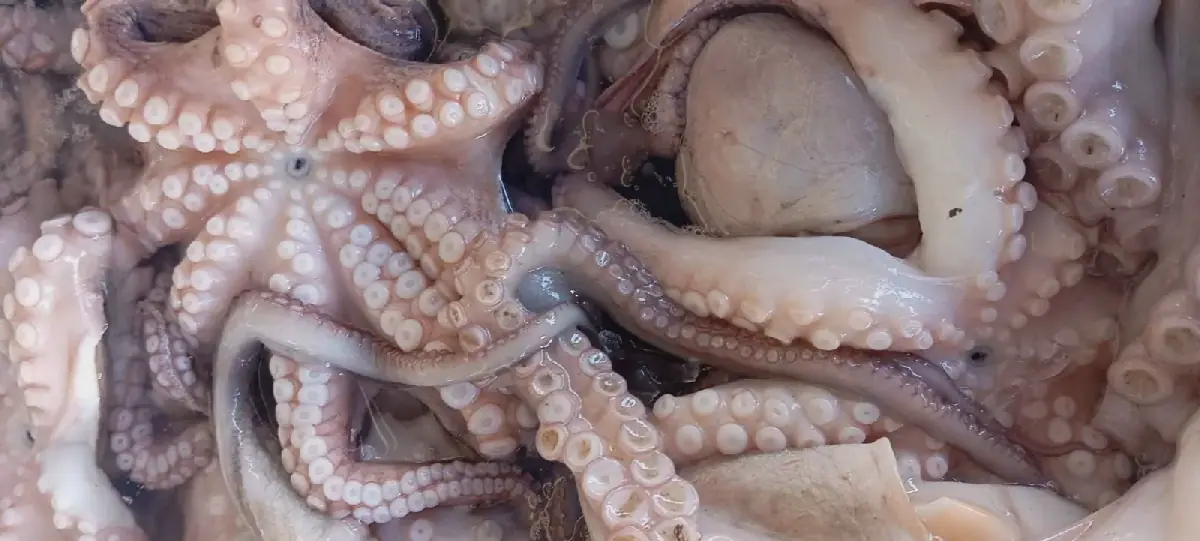
The 2026-2027 octopus fishing season officially began in Tunisia on November 15, following a one-month delay announced by the Ministry of Agriculture. The launch was marked by a significant turnout of octopus at the Ghar El Melh fish market, with vendors expressing optimism about the season's prospects. According to fish seller Fawzi Klich, the quality of the octopus is high, with sizes ranging from 500 grams to 1 kilogram.
The fishing industry's production levels are closely tied to weather conditions, particularly the sea temperature, which affects the availability and size of the octopus. Klich noted that the current sizes are average, but he expects them to improve in the coming days. He also emphasized that further delays to the season would be detrimental, as the fishing community relies on a timely start to the season.
The Ghar El Melh region is renowned for its rich marine biodiversity, and local fishermen are calling for sustainable fishing practices to preserve the area's ecosystem. The traditional "qarquor" method of fishing is being promoted as a more environmentally friendly approach, as it allows for the conservation of marine life and helps maintain healthy fish stocks.
The Tunisian Ministry of Agriculture has been working to promote sustainable fishing practices and protect the country's marine resources. The delay to the octopus fishing season was intended to allow for a more favorable fishing environment, with authorities hoping that this will lead to improved catches and better quality seafood.
Local fishermen are optimistic about the season's prospects, citing the high demand for octopus in both domestic and international markets. However, they also acknowledge the challenges posed by climate change, which is affecting sea temperatures and fish migration patterns. As a result, fishermen are adapting their techniques to ensure a sustainable and responsible fishing industry.
The Ghar El Melh fish market is a significant hub for the Tunisian fishing industry, with many local communities relying on fishing as a source of income. The start of the octopus fishing season is an important event for the region, with many stakeholders hoping for a successful and sustainable season.
As the fishing season progresses, stakeholders will be monitoring the impact of climate change on marine ecosystems and the fishing industry as a whole. The adoption of sustainable fishing practices and the promotion of eco-friendly fishing methods will be crucial in ensuring the long-term viability of Tunisia's fishing industry.
Key points
- The 2026-2027 octopus fishing season has started in Tunisia with hopes of improved production and sustainable fishing practices.
Reporting sources
- Radio Tataouine · Radio Tataouine