October 2026 was marked by warmer-than-average temperatures across most of Tunisia, with a national average temperature of 22.5°C, 0.7°C higher than the 1981-2010 average. The increase was observed in both maximum and minimum temperatures, with average maximum temperatures reaching 27.6°C, 0.5°C above the reference average. Thala recorded the lowest average temperature at 17.1°C, while Tozeur had the highest at 24.9°C.
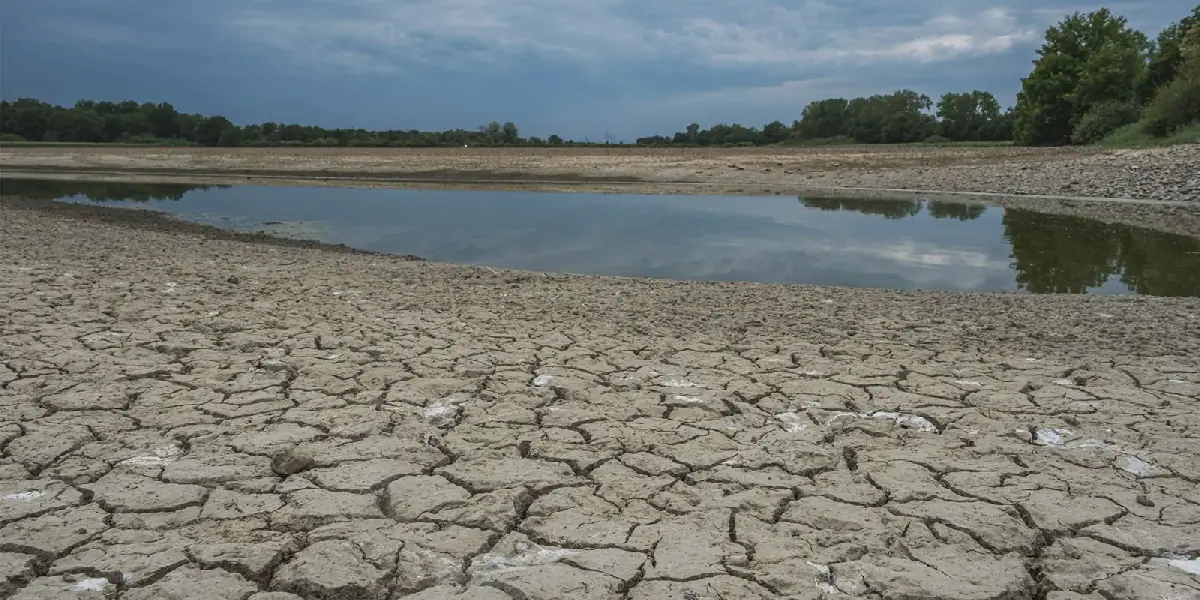
The rainfall situation was characterized by a significant and widespread deficit, with regional disparities. The total rainfall recorded at considered stations was 482.8 mm, compared to a normal of 1024.3 mm, representing a global deficit of approximately 52.9%. The North experienced relatively significant rainfall, with Tabarka recording 117 mm, close to its normal of 116.2 mm. In contrast, other regions, such as Cap Bon and the Center-East, faced marked deficits.
The Center and South of the country experienced particularly low rainfall, with Kairouan recording only 2.6 mm, Mahdia 4.4 mm, and Sidi Bouzid 1.8 mm. Gabès and Matmata also faced significant deficits, with 6.5 mm and 0.4 mm recorded, respectively. However, Djerba recorded 36.2 mm, exceeding its normal of 31.1 mm.
In addition to the temperature and rainfall anomalies, October 2026 was marked by episodes of relatively strong winds, particularly in the North and North-East regions. The maximum wind speed reached 90 km/h at Kélibia, 86.4 km/h at Bizerte, and 82.8 km/h at Jendouba and Thala. Several stations reported multiple days with wind speeds above 60 km/h.
The National Institute of Meteorology (INM) released a monthly climate bulletin detailing these conditions. The bulletin provides insights into Tunisia's climate variability and trends. October is typically a transitional month in Tunisia, with temperatures and rainfall patterns changing as the season shifts.
The warmer temperatures and rainfall deficits observed in October 2026 may have implications for agriculture, water resources, and other sectors. Understanding these climate trends is essential for informed decision-making and planning in Tunisia. The INM continues to monitor and report on climate conditions, providing valuable information for stakeholders.
Tunisia's climate is characterized by significant variability, with impacts on agriculture, industry, and daily life. The country's geography, with its Mediterranean coastline and Sahara Desert border, contributes to its diverse climate conditions. Monitoring and understanding these conditions are crucial for sustainable development and climate resilience in Tunisia.
Key points
- Tunisia experienced a significant rainfall deficit of approximately 52.9% in October 2026.
- The national average temperature in October 2026 was 22.5°C, 0.7°C higher than the 1981-2010 average.
- Episodes of relatively strong winds were recorded in the North and North-East regions, with maximum wind speeds reaching up to 90 km/h.