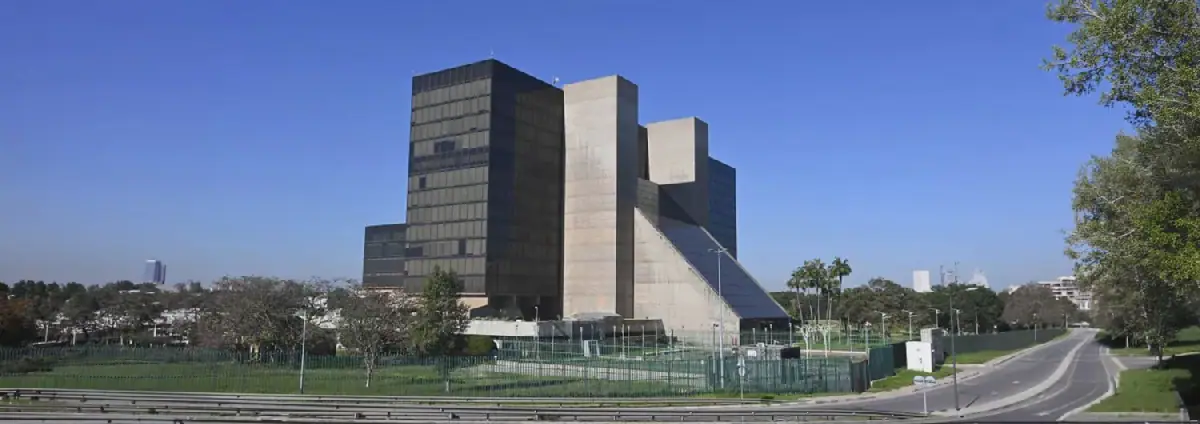
Morocco's OCP, a leading phosphate producer, has maintained its Investment Grade rating, with S&P Global Ratings confirming the company's issuer rating at BBB- with a stable outlook. This rating indicates that OCP presents a sufficient credit quality for investment. The decision comes amid significant tensions in the global fertilizer market, marked by an exceptional increase in raw material costs and pressure on agricultural demand.
The rating agency, S&P, has also maintained OCP's intrinsic credit profile (SACP) at bbb-. According to S&P's bulletin published on November 19, OCP has taken measures to preserve cash, adapt investments, and control debt, anticipating a gradual improvement in financial indicators from 2027. OCP's efforts to mitigate the impact of rising production costs have been acknowledged by S&P.
The global sulfur market has been a key factor affecting the performance of the fertilizer industry in 2026. Disruptions in supplies due to the conflict in the Middle East since March have led to a sharp increase in sulfur prices, a crucial component in the production of certain phosphate fertilizers. Sulfur prices have surged to over $1,050 per ton, significantly higher than the $100-300 per ton range in 2023 and 2024.
This unprecedented increase in sulfur prices has resulted in higher production costs for phosphate producers. Meanwhile, global fertilizer demand has been impacted by financial constraints faced by farmers, limiting their purchasing capacity in several markets. These factors have put simultaneous pressure on producers' margins, despite a favorable evolution in sales prices of certain products.
S&P expects a significant degradation in OCP's profitability indicators for the 2026 financial year. The company's adjusted EBITDA margin is expected to be around 15% for the year, compared to 35% at the end of 2025 and approximately 28% in the first half of 2026. This contraction is primarily due to the impact of higher sulfur costs on production charges.
Despite the pressure on margins, OCP's revenue is expected to grow by 5-6% in 2026, driven by increased sales prices and the evolution of the dirham exchange rate. This growth should offset the decrease in commercialized volumes. The expected evolution of revenues contrasts with that of operational profitability, highlighting the importance of input costs in the company's financial performance.
The anticipated decline in EBITDA is also expected to lead to a temporarily higher debt level. However, S&P believes that OCP's measures to preserve cash and control debt will help the company navigate the challenging market conditions. The company's ability to adapt to the changing market landscape will be crucial in maintaining its financial stability.
Key points
- OCP maintains its Investment Grade rating at BBB- with a stable outlook
- Sulfur prices have surged to over $1,050 per ton, impacting phosphate producers' costs
- OCP's EBITDA margin is expected to be around 15% in 2026, down from 35% in 2025
Reporting sources
- OCP conserve sa notation Investment Grade malgré la hausse de ses coûts de production · La Nouvelle Tribune