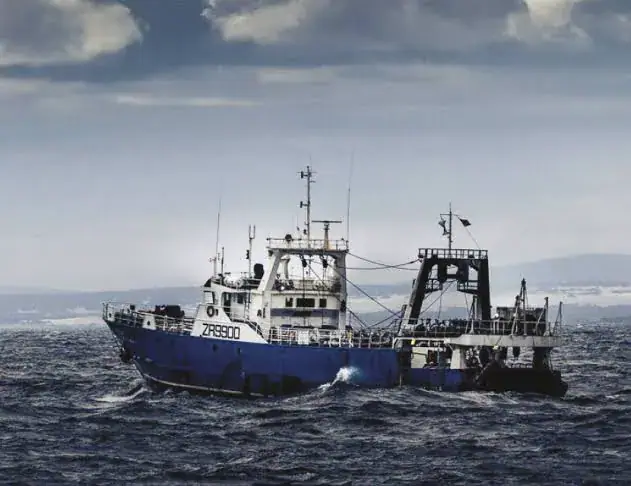
Oceana Group's audited results for the year ended 30 September show a 29% decline in total horse mackerel catch and production in Namibia. This decline is attributed to extended planned surveys of both vessels in the second half and late-year quota shortages, which reduced fishing time. Despite this, catch rates decreased marginally, while unit catch costs rose by 5% due to lower volumes and higher fuel costs on the unhedged portion.
The company's total horse mackerel sales volumes in Namibia remained largely unchanged at 42,216 tons compared to 42,768 tons in 2025. Strong demand for affordable protein, particularly smaller-sized fish, supported higher selling prices and was the main driver of profitability. Average Rand selling prices realised increased by 18%, despite a 9% appreciation in the Rand against the US dollar.
In contrast, Oceana's South African operations saw a significant increase in horse mackerel catch and production from the Desert Diamond, with a 136% increase. This was supported by more days at sea and an improvement in catch rates. Unit costs fell by 28%, as the benefit of the higher catch more than offset increased unhedged fuel costs and the impact of the vessel's first-half class renewal survey.
The company's hake business delivered a solid result despite a 5% reduction in Total Allowable Catch (TAC). Production was largely unchanged, as an improvement in catch rates offset a reduction in fishing days. However, fishing time was reduced due to planned maintenance and surveys.
Oceana's Lucky Star foods business faced challenges due to a shortage of frozen fish, which limited sales volumes in the second half of the year. The company expects this shortage to continue in 2027, requiring ongoing customer allocations and potentially reducing local cannery utilisation and increasing cost pressure.
The group's financial performance was impacted by the volume declines in Lucky Star foods and Fishmeal and fish oil (Africa). Revenue decreased 4.2% to R9.6 billion, while profit after tax increased 38.5% to R1.3 billion due to stronger operating performance and lower net interest expense.
Oceana's headline earnings increased 50.5% to R1.19 billion, with headline earnings per share increasing by the same percentage to 850.3 cents. The growth was primarily due to the increase in profit after tax and a lower share of earnings attributable to minority interests in subsidiaries affected by lower pelagic fish availability.
Key points
- Oceana's Namibia horse mackerel catch and production declined by 29% due to extended surveys and quota shortages.
- The company's profit after tax increased 38.5% to R1.3 billion due to stronger operating performance and lower net interest expense.
- Oceana's revenue decreased 4.2% to R9.6 billion due to volume declines in Lucky Star foods and Fishmeal and fish oil (Africa).
Reporting sources
- Oceana’s Namibia horse mackerel catch declines by 29% · Windhoek Observer