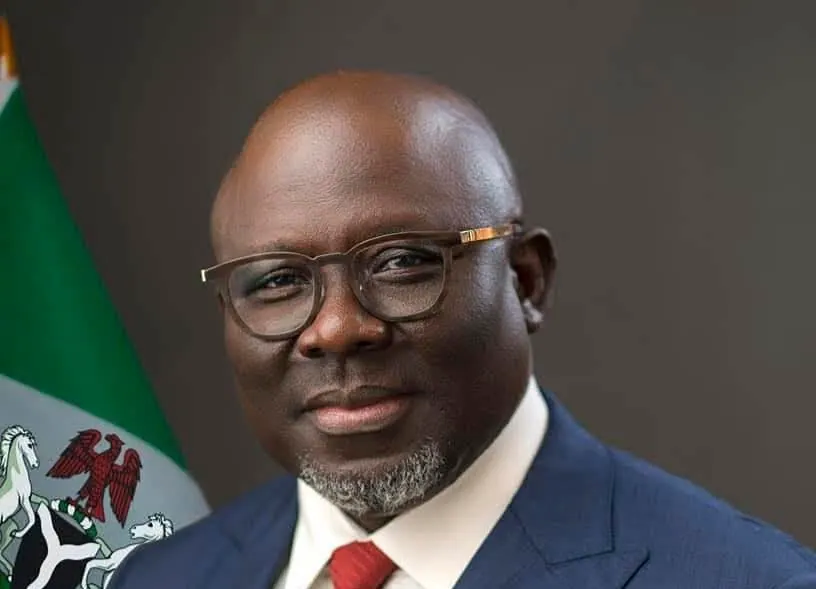
Delta State Governor, Sheriff Oborevwori, has approved a new salary structure for academic staff of state-owned universities, effective from August 2026. The governor made this announcement during the swearing-in of the newly appointed Auditor-General of the state, Mr Emasogbe Matthew Oghene, and the inauguration of the governing councils of the University of Delta, Agbor; Dennis Osadebay University, Asaba; and Southern Delta University, Ozoro. This move aims to support the state's tertiary education sector and improve conditions for academic and non-academic staff.
The new salary structure for non-academic staff and workers in other tertiary institutions will take effect from September 2026. According to the governor, the four state-owned universities have expanded their academic programmes to include professional courses such as medicine, law, nursing, and accounting. This expansion has contributed to an increase in student enrolment from about 50,000 in 2023 to more than 100,000 in 2026. The state government has also reported this enrolment figure in recent education-sector briefings.
Governor Oborevwori noted that the academic calendar of the universities has not been disrupted by staff strikes or student unrest in 17 years. He described this development as evidence of the state government's commitment to stable academic activities. The governor emphasized that his administration is committed to repositioning the state-owned universities as centres of excellence. He charged the newly inaugurated councils to pursue policies that would strengthen corporate governance, improve institutional efficiency, and position the universities for sustainable growth.
The governor tasked the councils to maintain zero tolerance for sexual harassment, examination malpractice, cultism, favouritism, and corruption. He urged them to apply disciplinary measures whenever rules were breached. Additionally, Oborevwori emphasized that the state government would continue to support tertiary education within the limits of available resources. He noted that it is unrealistic and unsustainable for a university to rely solely on government funding.
Governor Oborevwori urged the councils to devote substantial time and resources to marketing their institutions and attracting private-sector investments. His administration has continued to invest heavily in infrastructure and staff welfare. The governor disclosed that he had approved the construction of two hostels for each of the nine state-owned tertiary institutions, with each hostel designed to accommodate 480 students. This initiative aims to improve the living conditions of students.
The newly inaugurated councils comprise distinguished academics, professionals, and public servants. Prof. Victor Peretomode chairs the University of Delta Governing Council, Prof. Patrick Muoboghare chairs that of Dennis Osadebay University, while Chief Godson Echegile chairs the Southern Delta University council. The three councils had been formally constituted by the state government in August 2026. The councils are expected to build on the progress recorded and make the institutions more competitive nationally and internationally.
Responding on behalf of the appointees, the Pro-Chancellor and Chairman of the Governing Council of Dennis Osadebay University, Prof. Patrick Muoboghare, thanked Governor Oborevwori for appointing him and other members of the council. Muoboghare called for the establishment of a Higher Education Endowment Fund to provide sustainable funding for tertiary institutions. He also challenged eminent Deltans and Nigerians to partner with government by investing in student hostels, staff accommodation, lecture halls, and faculty buildings.
Key points
- Governor Oborevwori approved a new salary structure for Delta university lecturers effective August 2026.
- The new salary structure aims to support the state's tertiary education sector and improve conditions for academic and non-academic staff.
- The governor emphasized the need for the universities to attract private-sector investments and improve infrastructure.