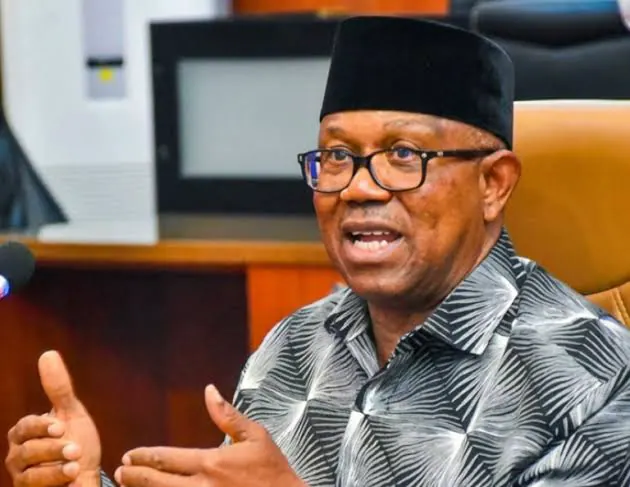
The Obidient Movement, a group supporting former Governor Peter Obi, has proposed a half-price petrol policy as part of its plans for Nigeria's energy sector. According to a statement signed by Onyeka Dike of the movement's Media and Communications Directorate, the policy aims to reduce the cost of petrol for Nigerians while strengthening accountability in the management of public funds. The framework would link government payments to verified fuel sales and independent audits.
The proposed policy would rely on a weekly reference price established by an independent panel, considering international benchmarks, freight charges, and verified domestic costs. Payments to refiners, depot operators, and petroleum marketers would be tied to verified petrol sales at filling stations, preventing inflated claims and ensuring public funds are allocated according to actual transactions. This system aims to address concerns surrounding fuel costs and government spending.
The proposal comes amid concerns about petrol affordability and the economic consequences of high energy costs in Nigeria. Petrol prices affect transportation, food distribution, manufacturing, and other commercial activities, making changes in fuel costs an important factor in household spending and business operations. A reduction in petrol prices could ease transportation expenses and reduce pressure on disposable income for households.
The movement's proposal includes digital tracking of petroleum products from refineries to filling stations, improving visibility across the supply chain. This system would allow authorities to compare production, distribution, and retail sales with claims submitted for subsidy payments. The movement also called for equal access to Nigerian crude oil for licensed domestic refineries, promoting competition and accountability in the petroleum industry.
The proposed framework would involve monthly public reports detailing reference prices, petrol volumes sold, subsidy payments, beneficiaries, penalties, recoveries, and findings from independent audits. The funding framework would be submitted to the National Assembly for legislative and budgetary provisions, providing a formal mechanism for examining the programme's expenditure. Public reporting would enable citizens, researchers, and civil society organisations to scrutinise the use of public resources.
The movement also questioned reported daily petrol consumption figures used in discussions about the Federal Government's fuel intervention, citing differences between figures attributed to President Bola Tinubu and those referenced by the Minister of Finance, Taiwo Oyedele. The movement urged the government to publish the data and methodology used to calculate daily petrol consumption for independent verification.
The Obidient Movement's proposal seeks to provide sustained relief through legislative oversight and transparent management of public funds. The actual impact of the policy would depend on its financing, implementation, and sustainability. Key aspects, such as detailed cost estimates and projected subsidy volumes, have not been provided, leaving questions about the policy's feasibility and potential effects on government finances.
Key points
- The Obidient Movement proposes a half-price petrol policy with a subsidy framework that links government payments to verified fuel sales and independent audits.
- The proposed policy aims to reduce petrol costs for Nigerians while strengthening accountability in the management of public funds.
- The framework would involve transparent pricing, digital tracking of petroleum products, and public disclosure of subsidy payments.